CHORUS: Designing Human–AI Multi-Agent Collaboration for Professional Translators
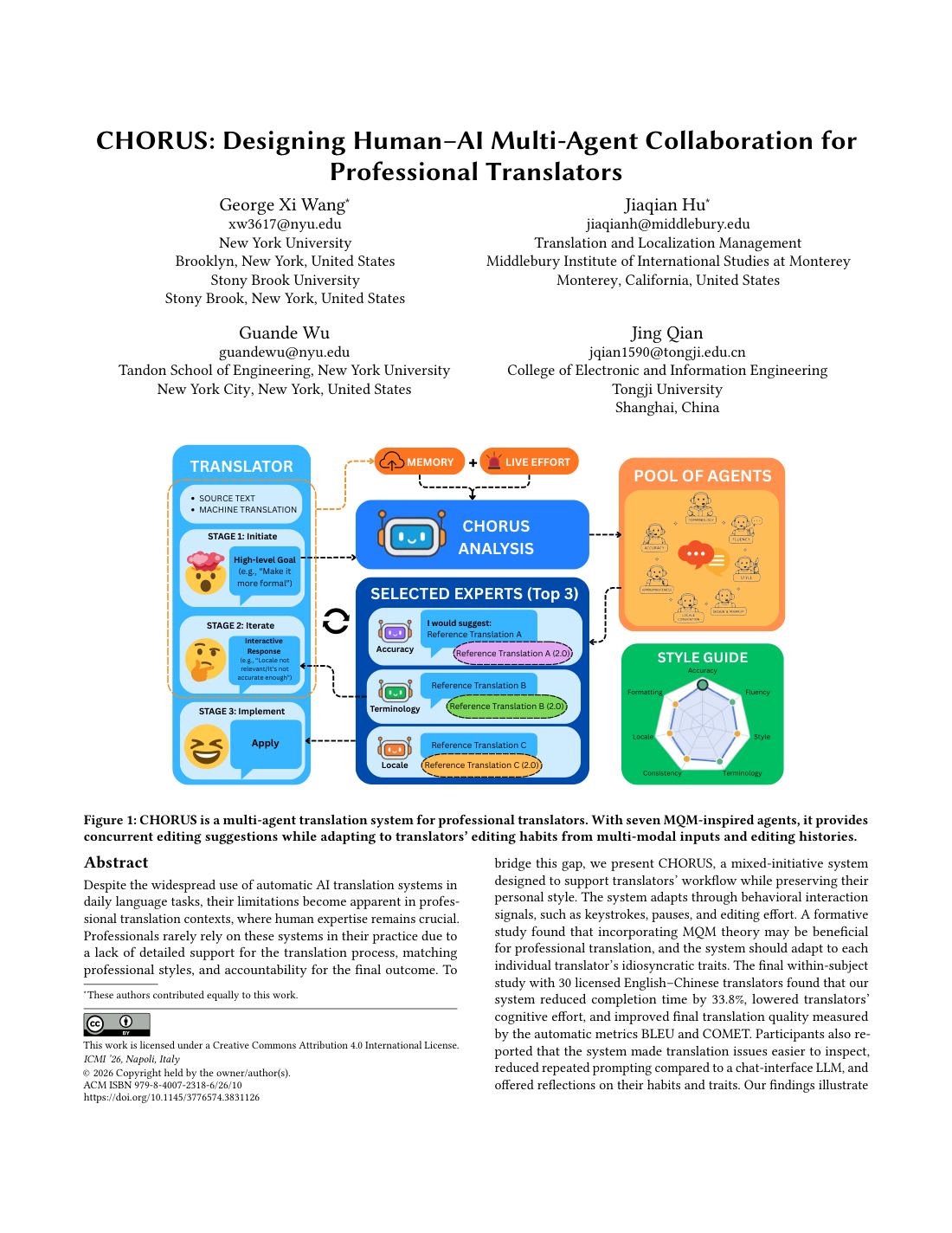
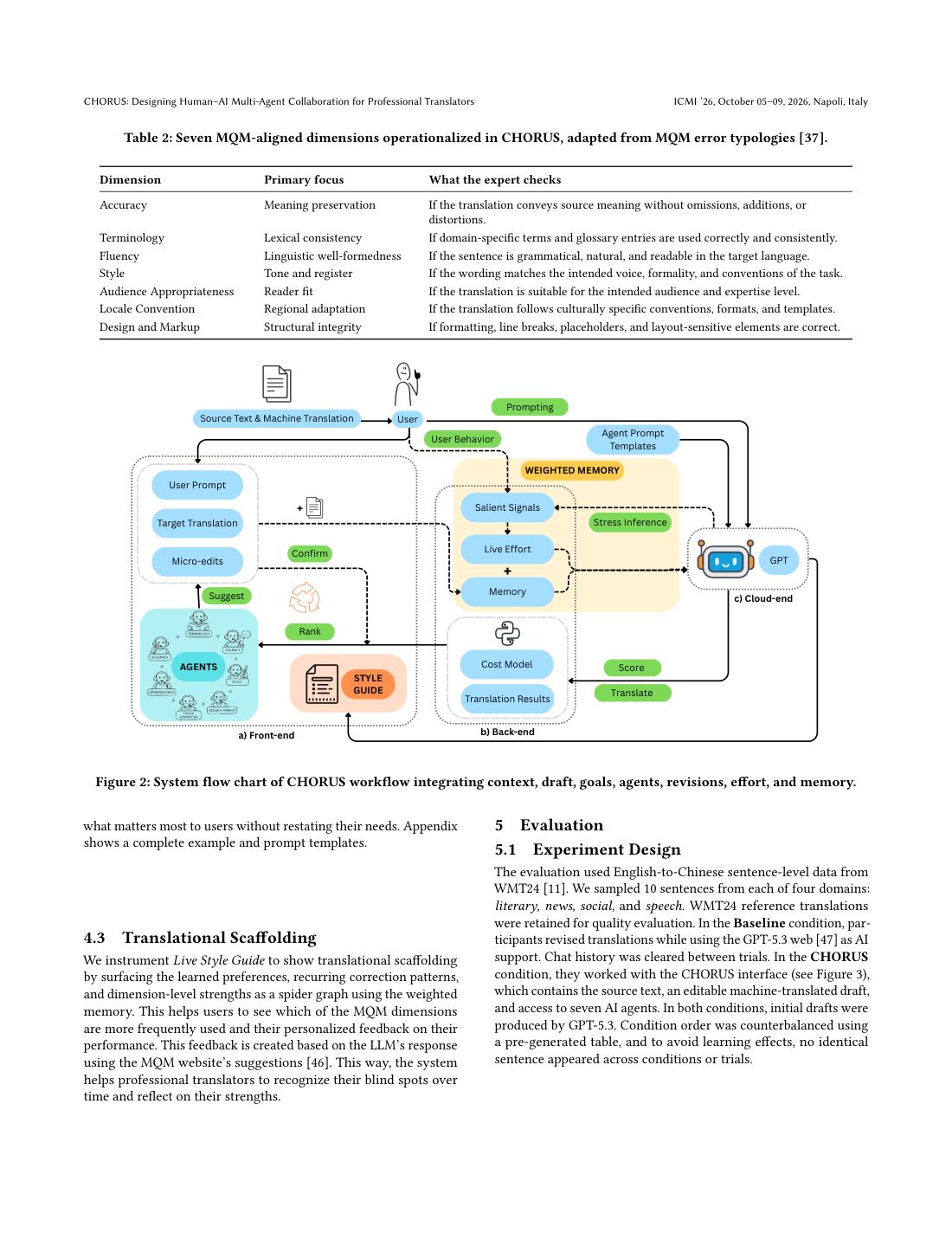
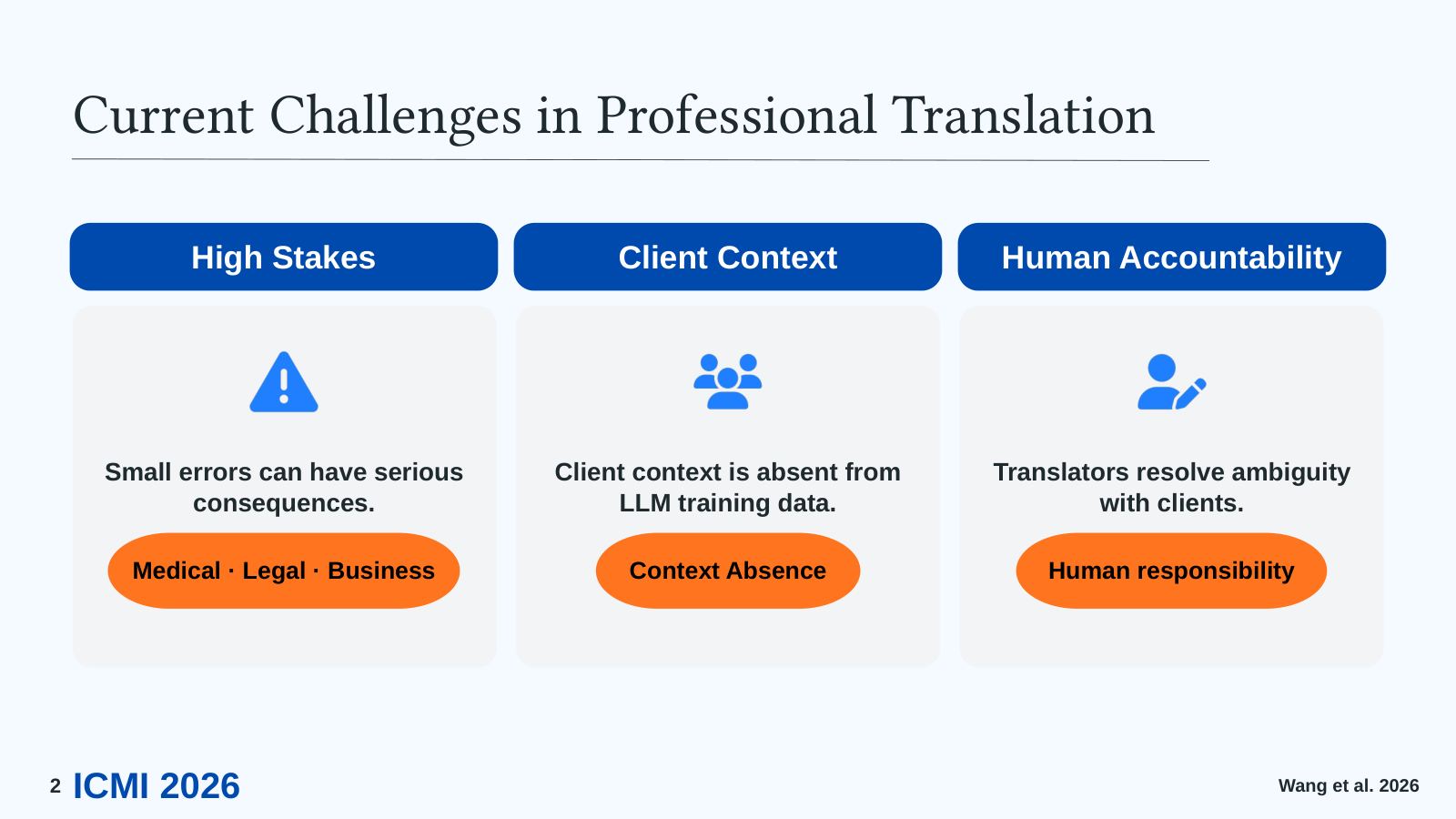
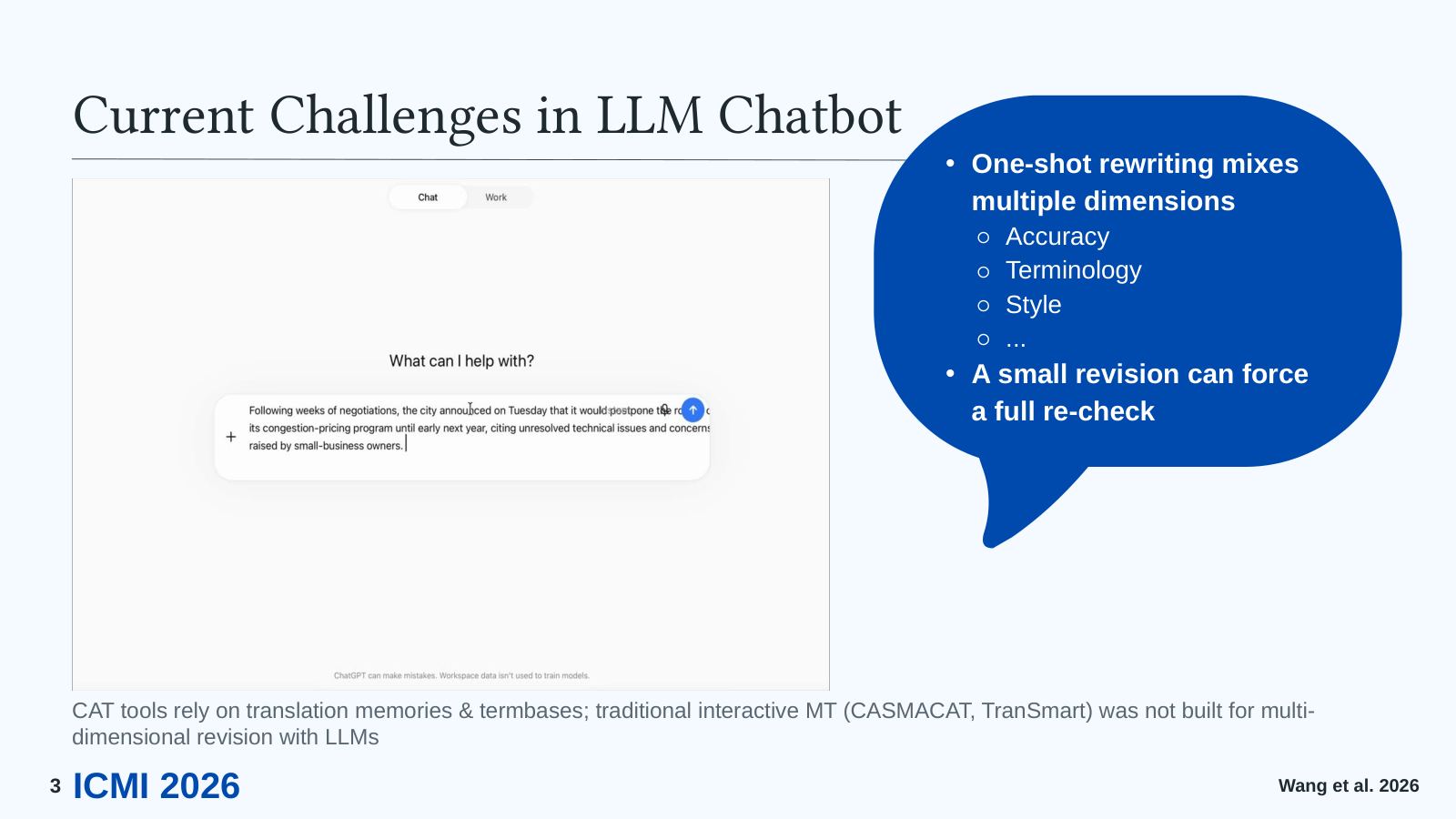
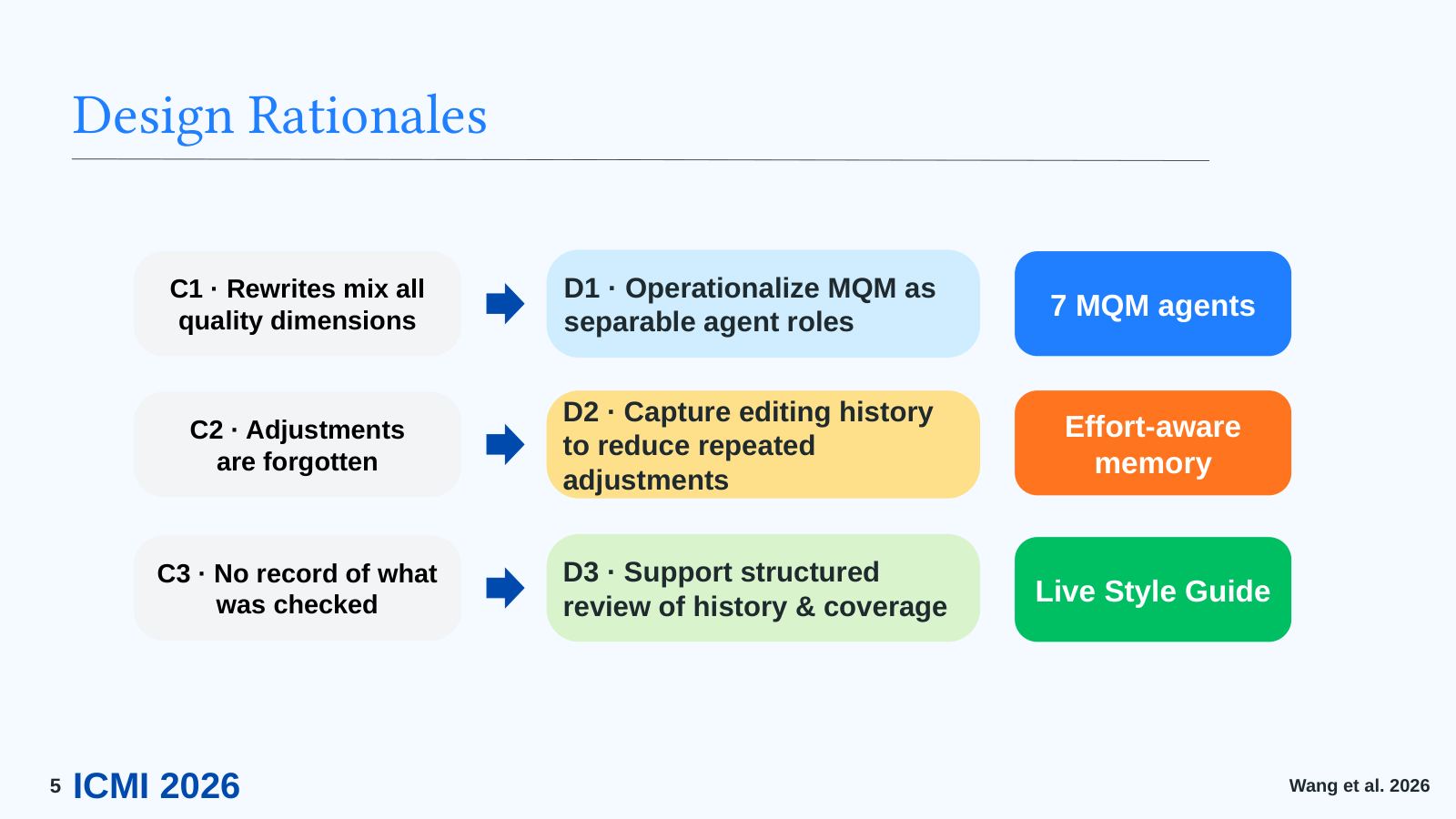
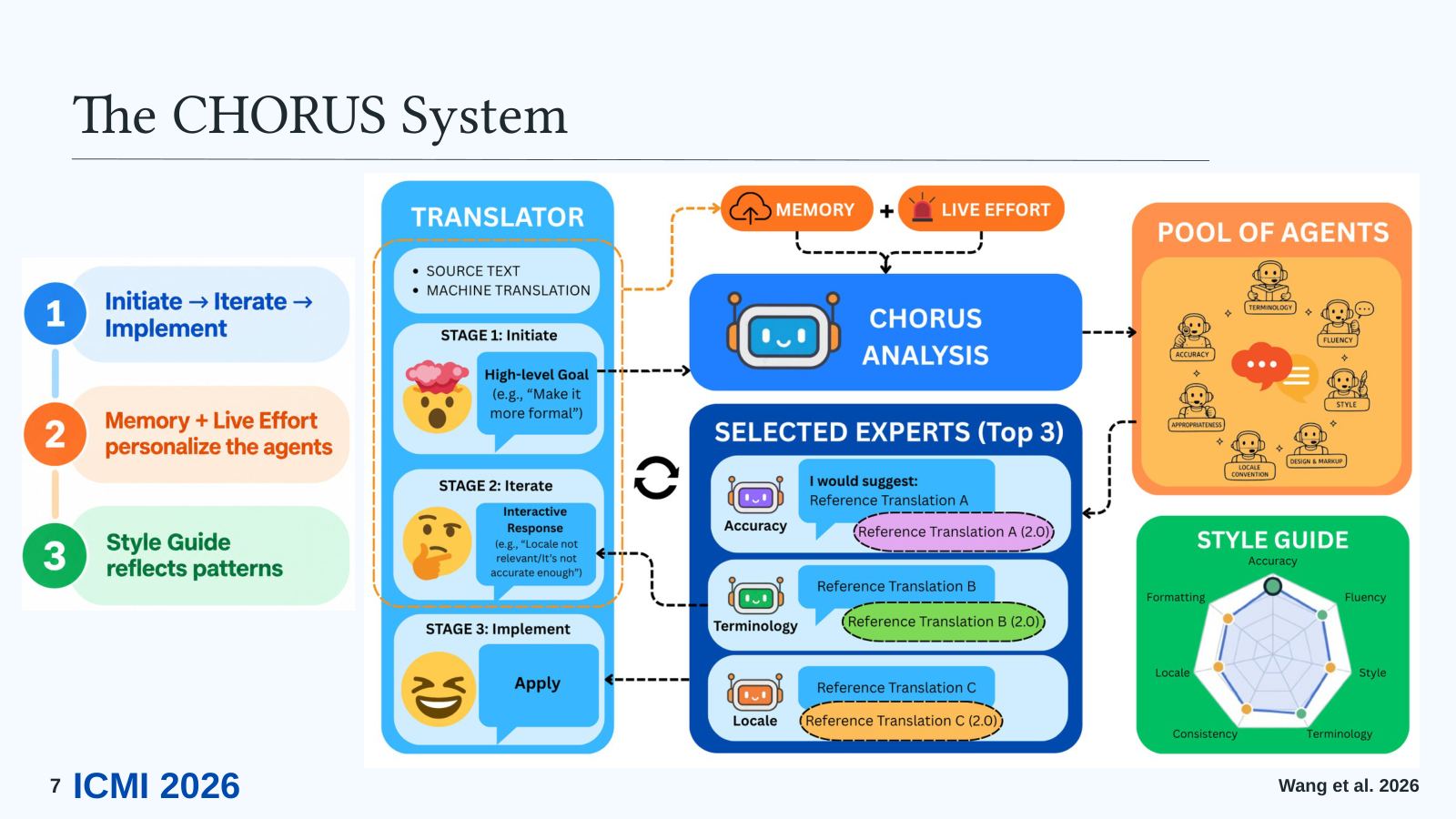
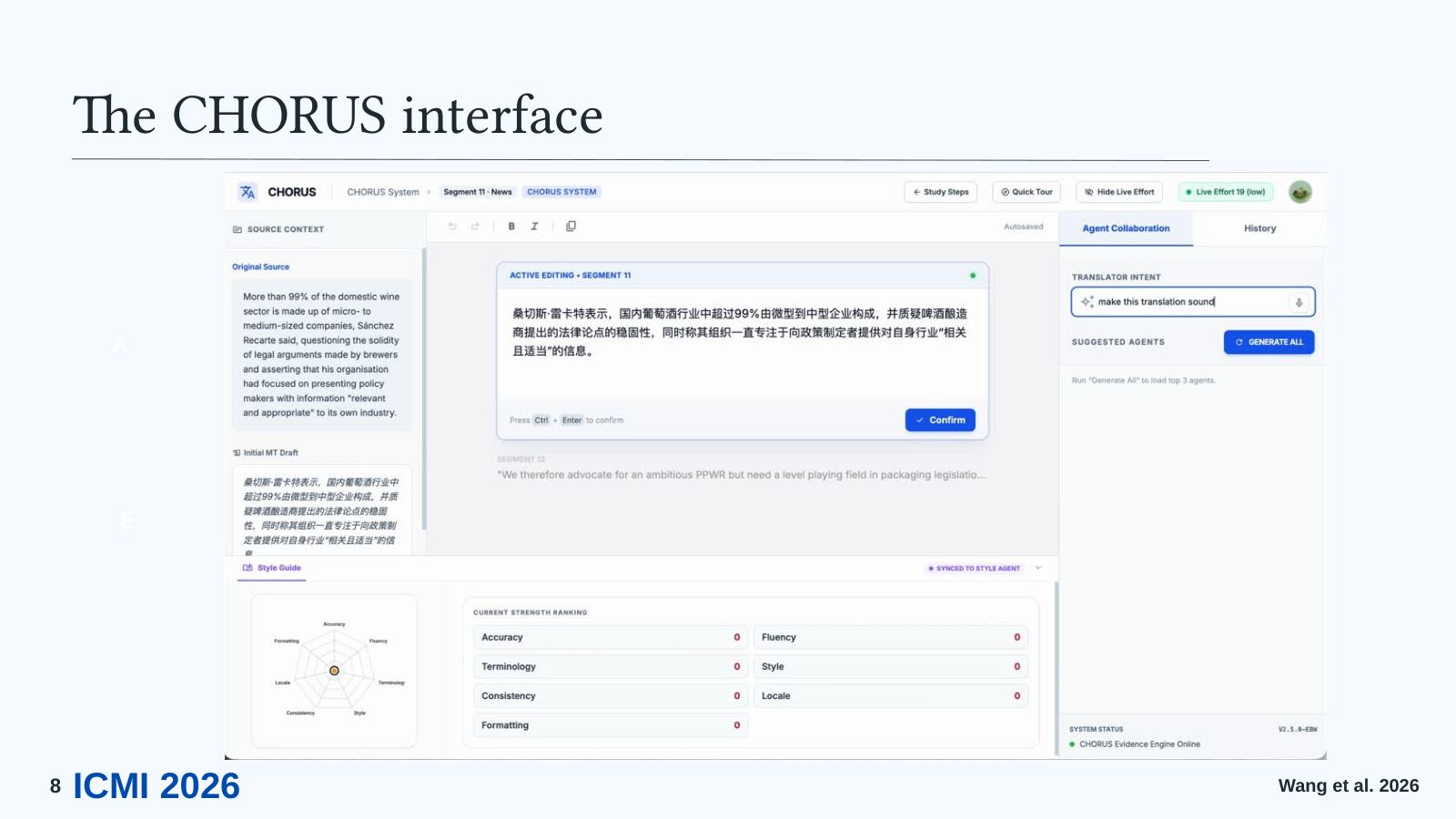
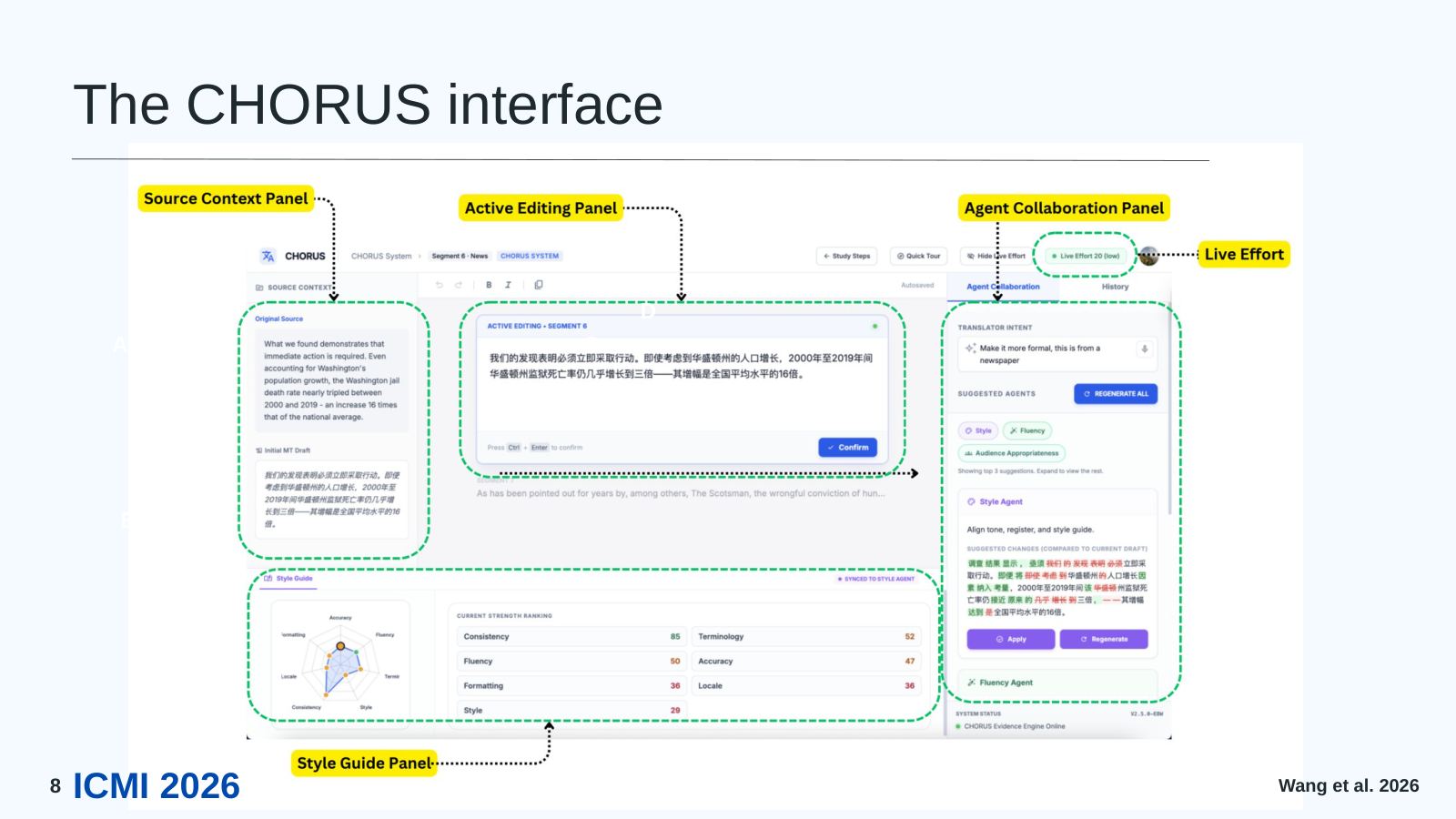
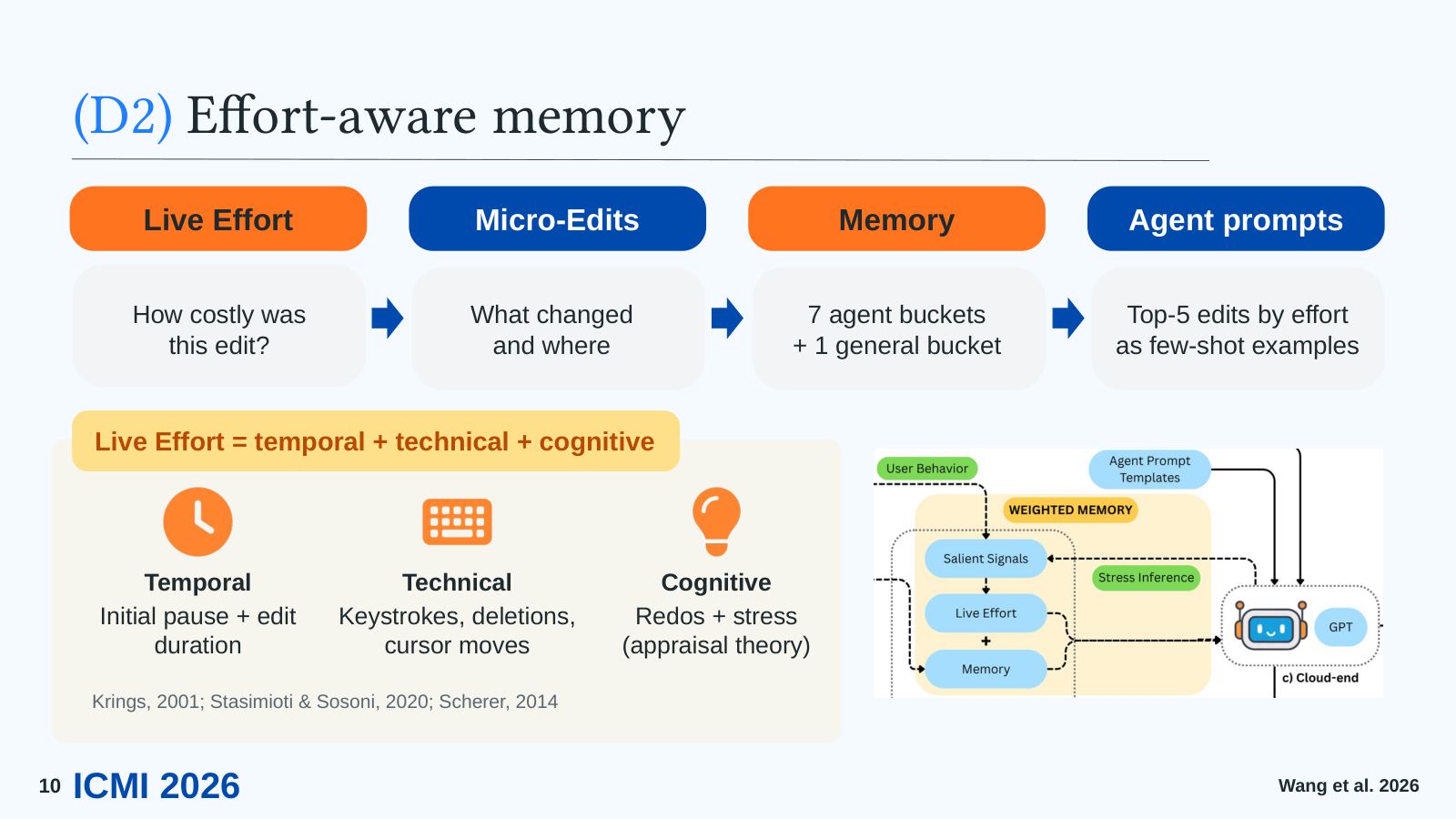
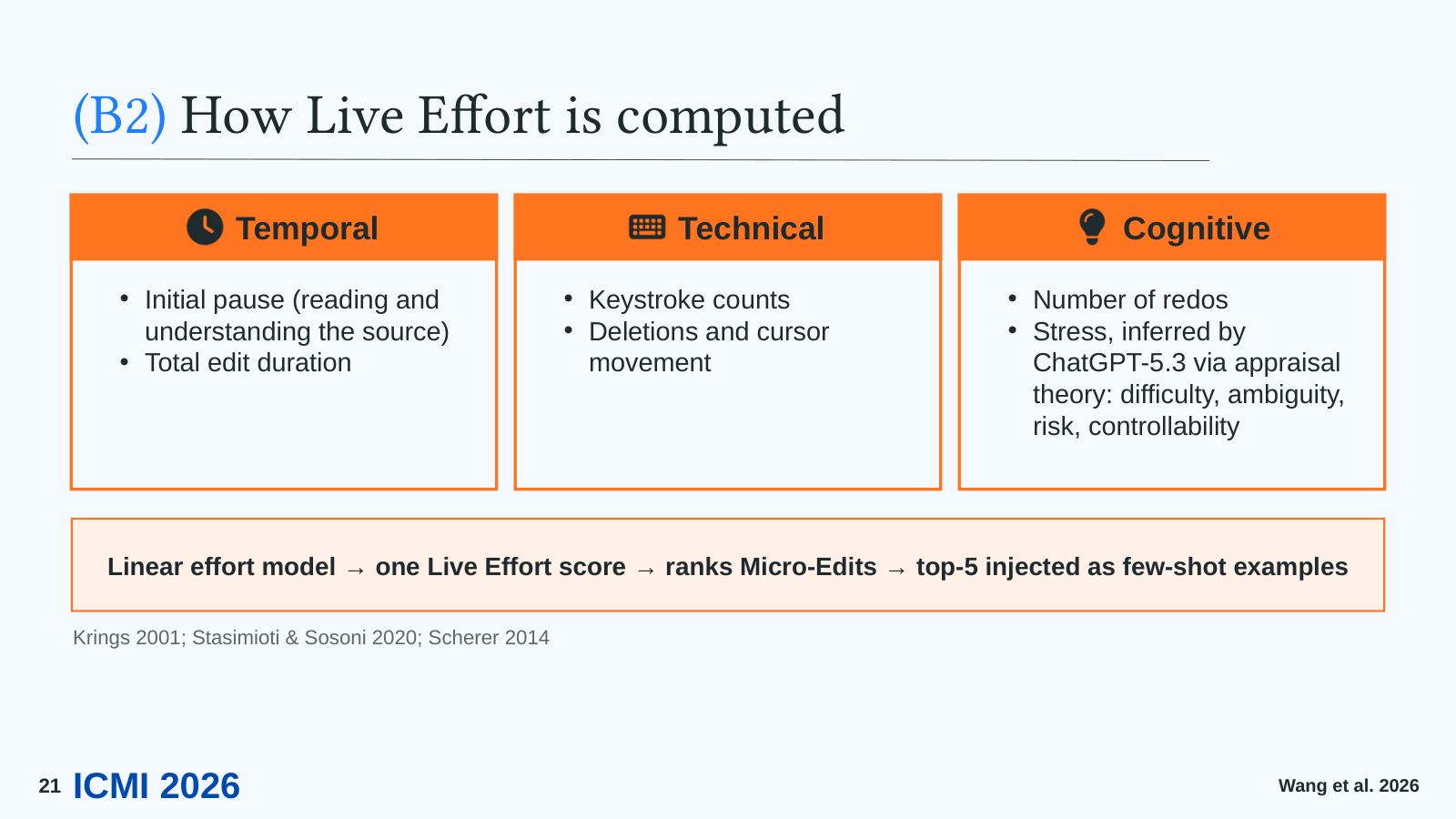
Despite the widespread use of automatic AI translation systems in daily language tasks, their limitations become apparent in professional translation contexts, where human expertise remains crucial. Professionals rarely rely on these systems in their practice due to a lack of detailed support for the translation process, matching professional styles, and accountability for the final outcome. To bridge this gap, we present CHORUS, a mixed-initiative system designed to support translators' workflow while preserving their personal style. The system adapts through behavioral interaction signals, such as keystrokes, pauses, and editing effort.
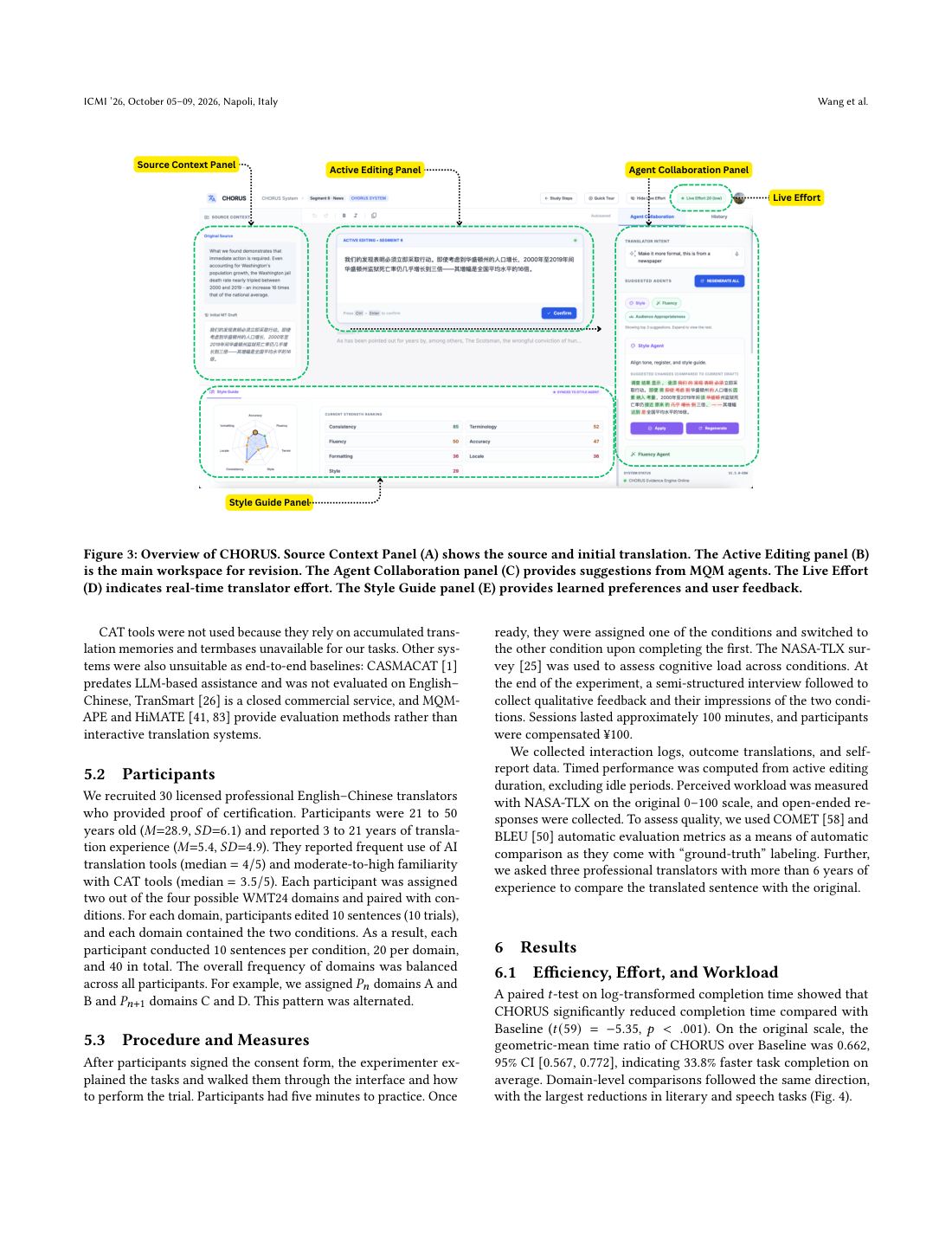
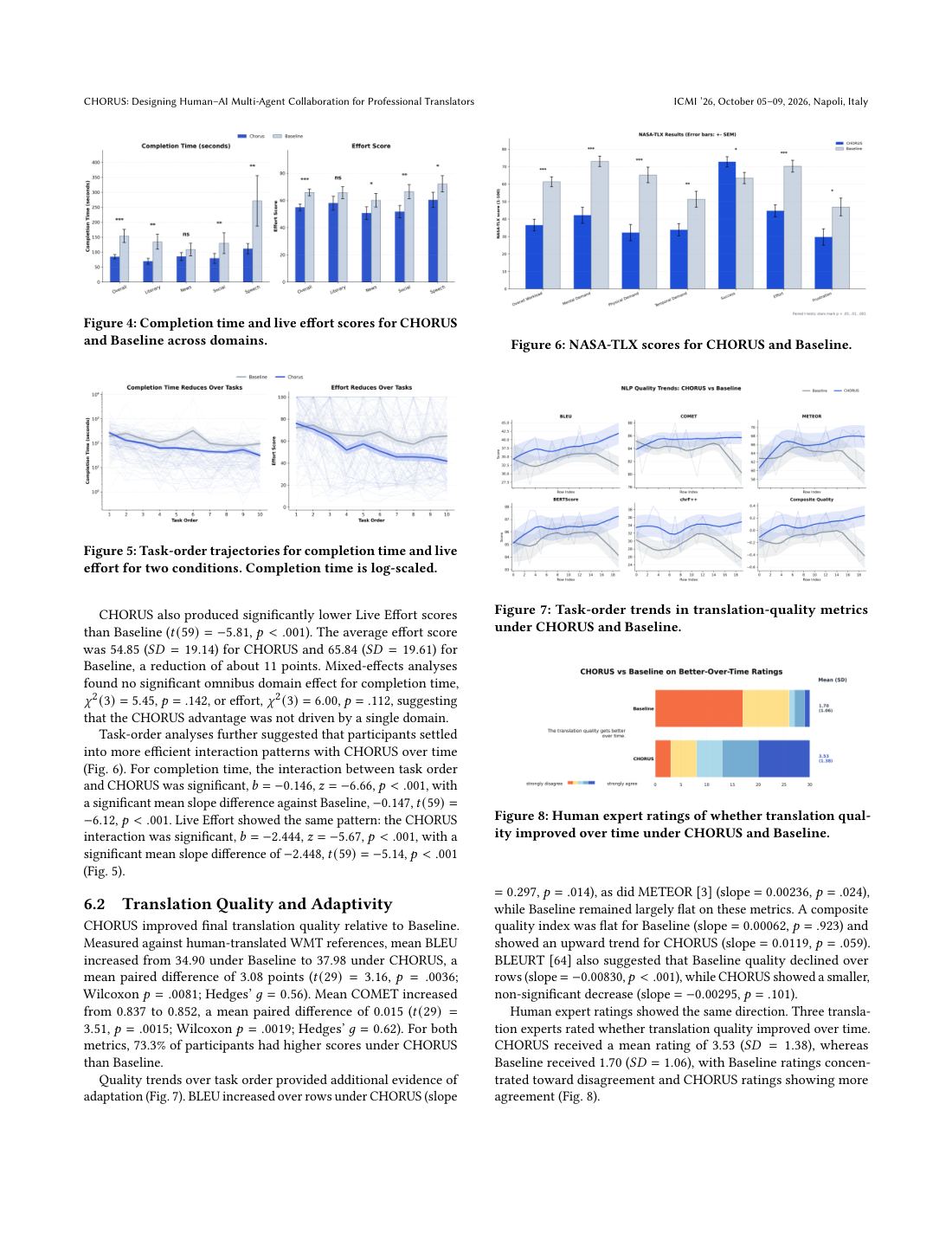
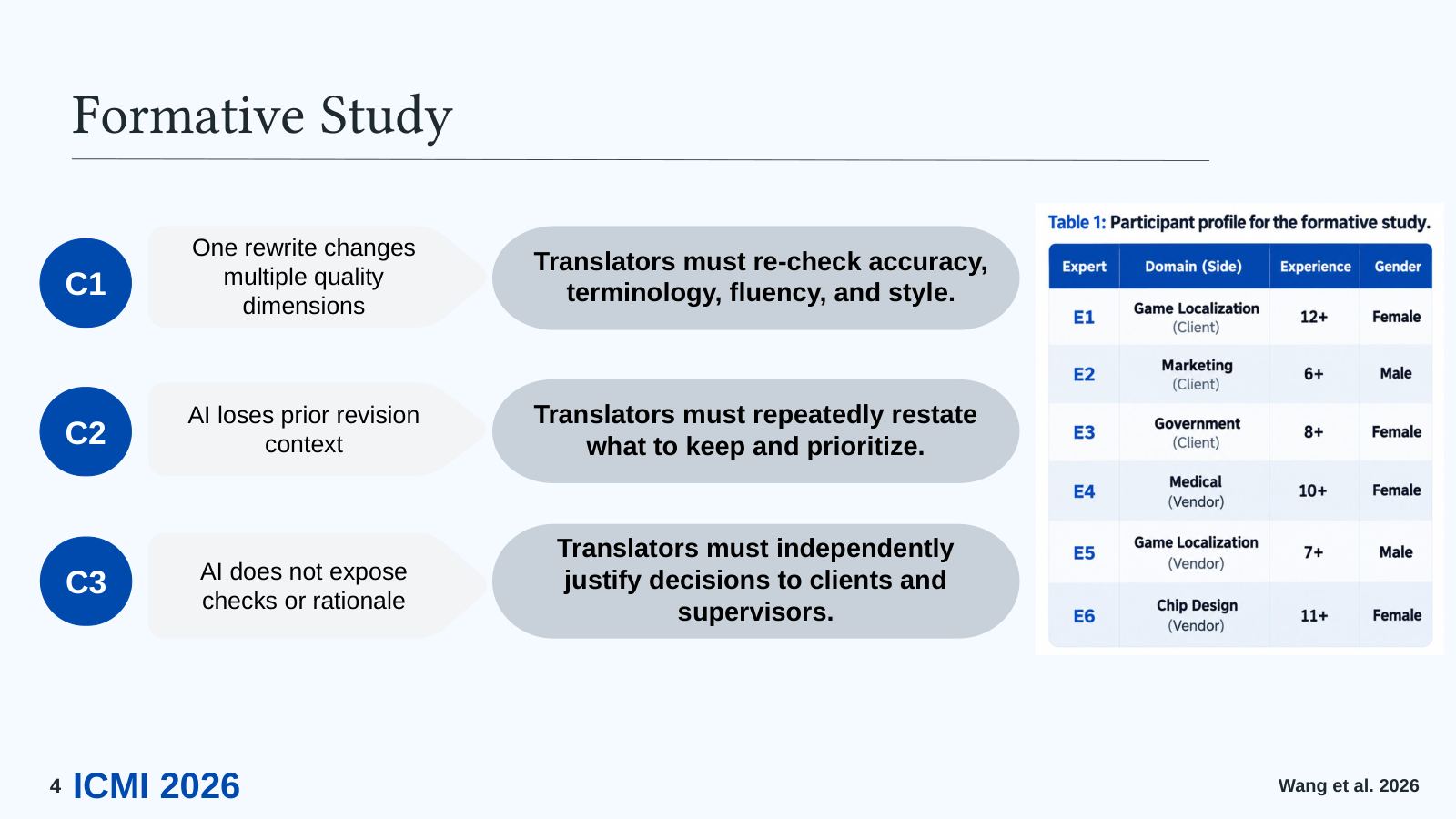
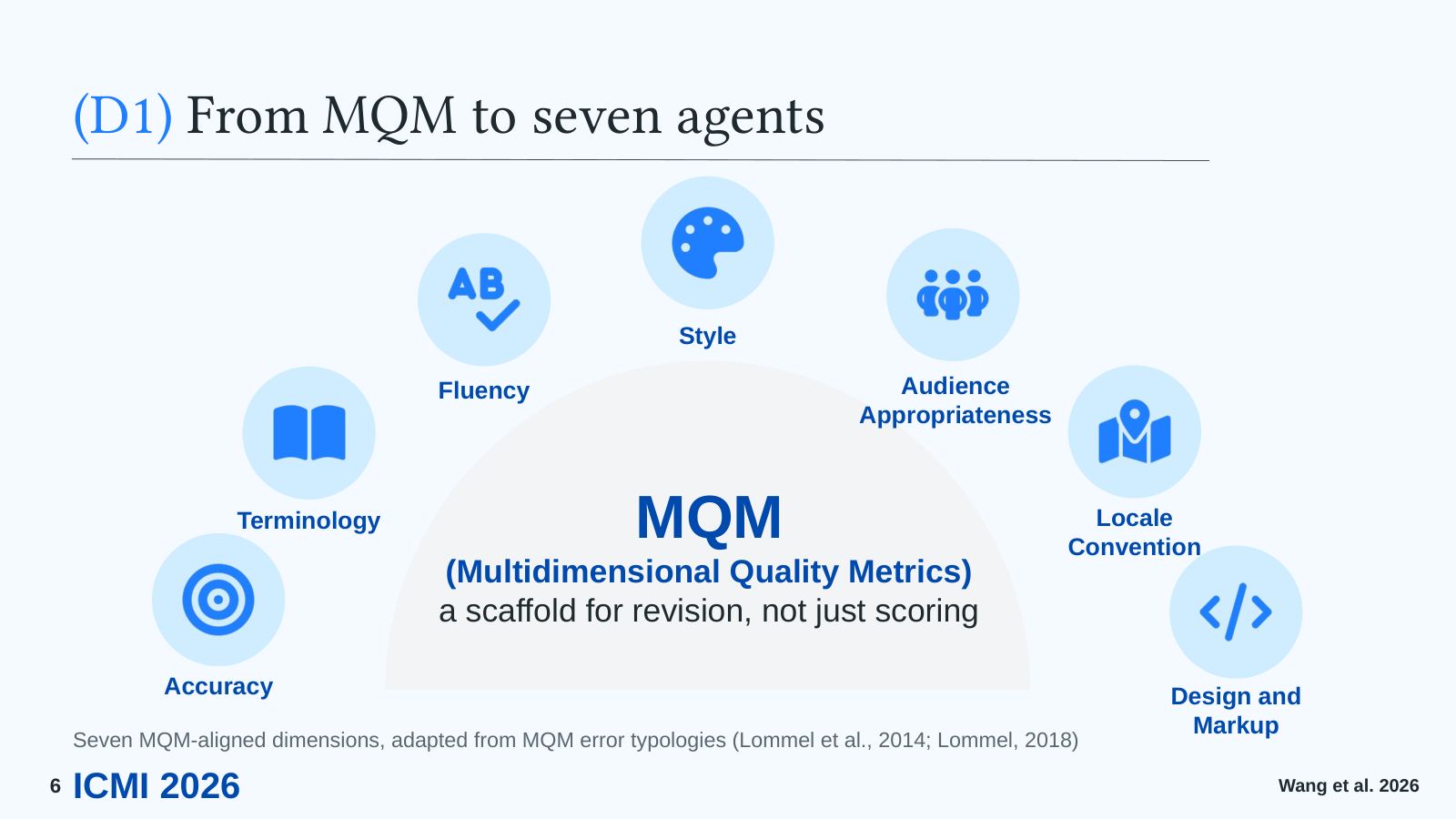
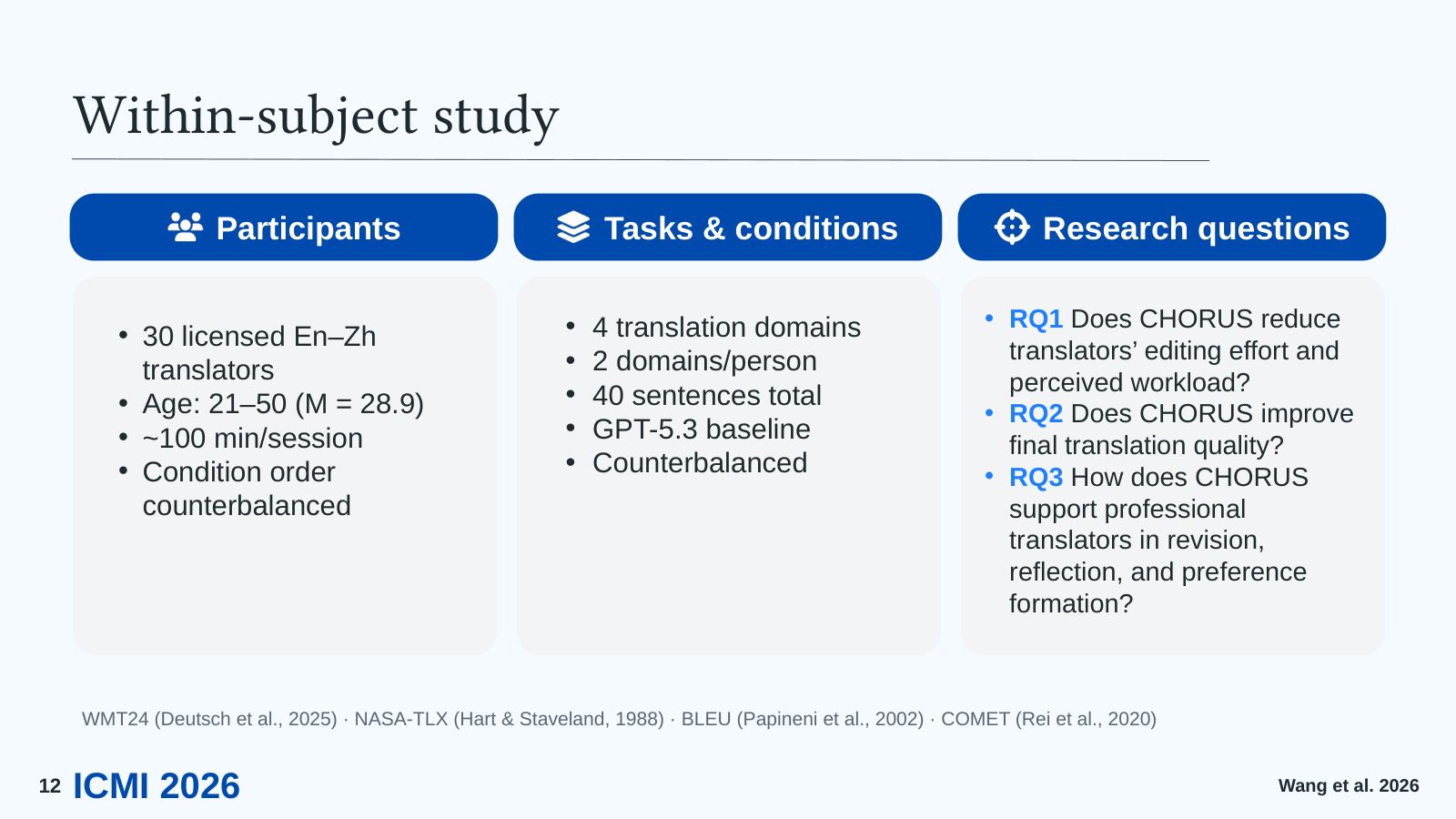
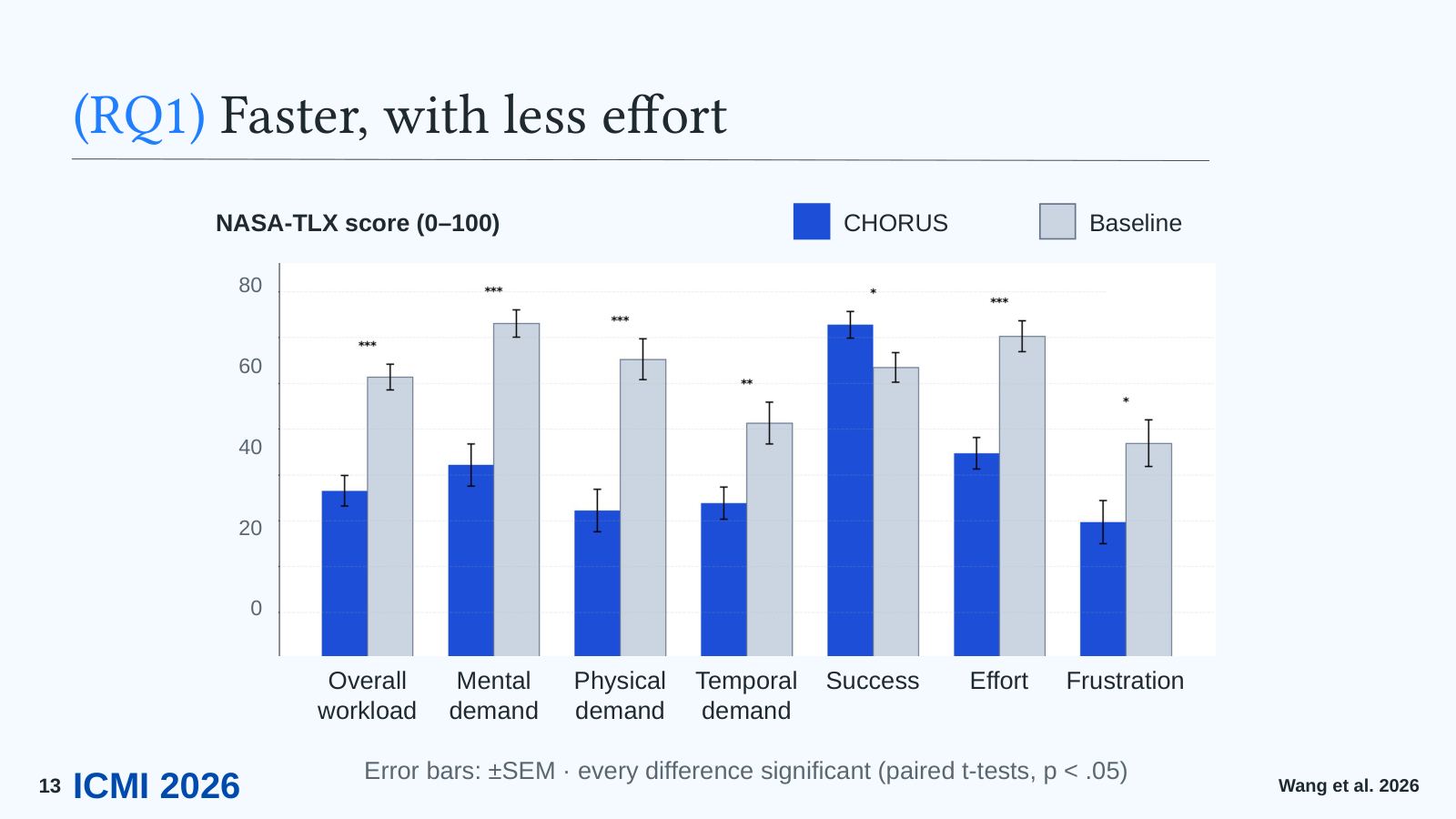
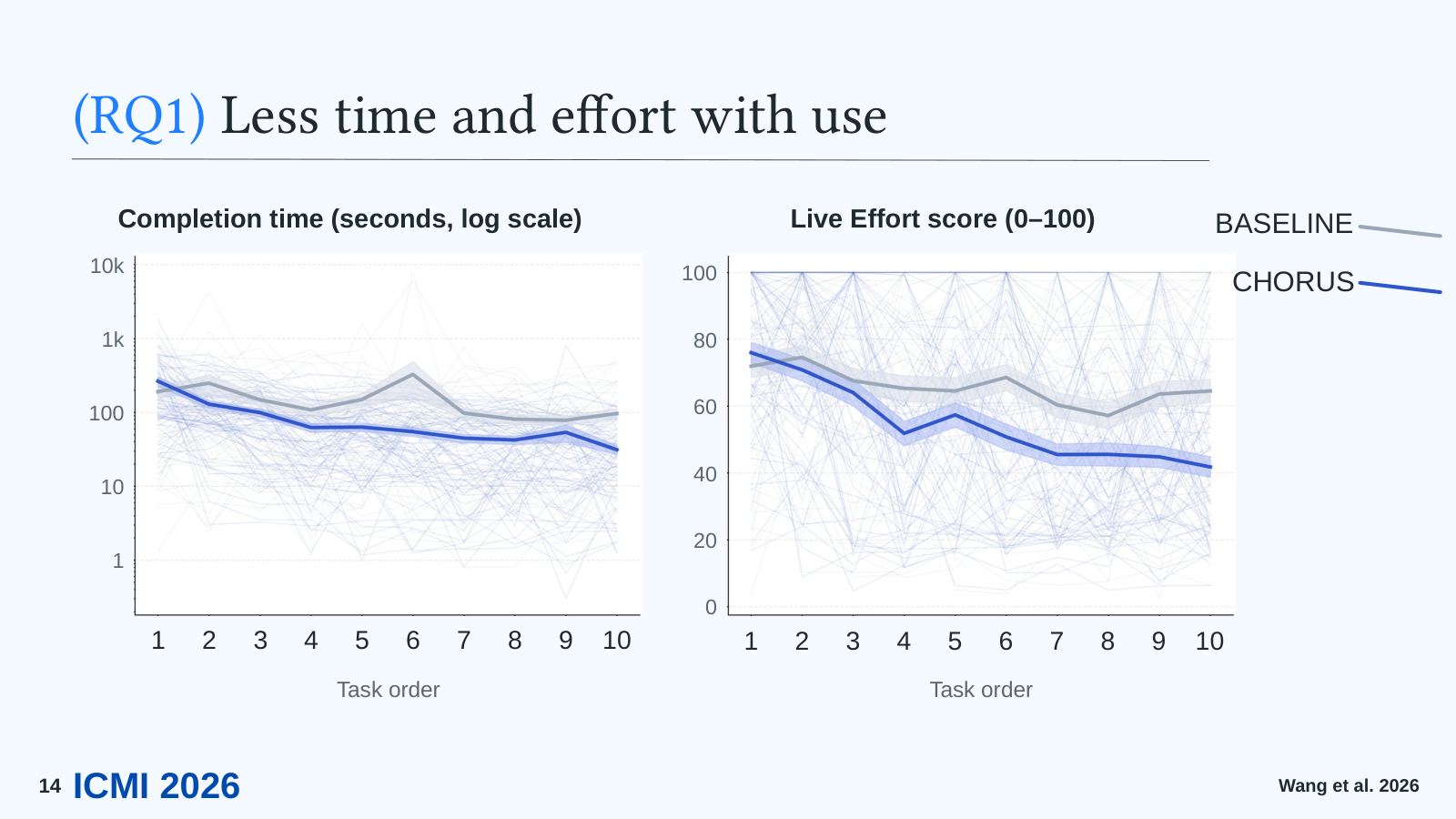
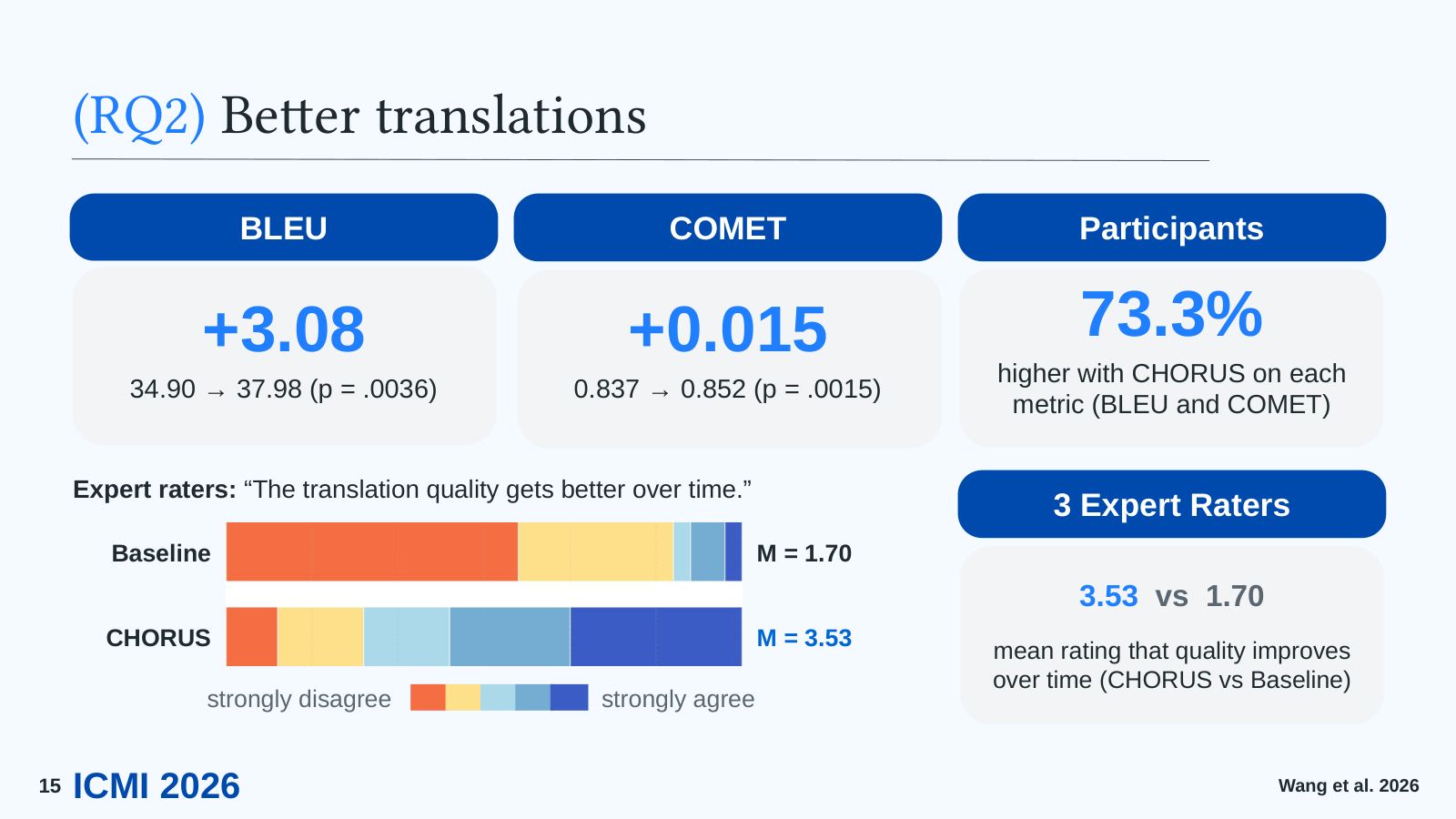
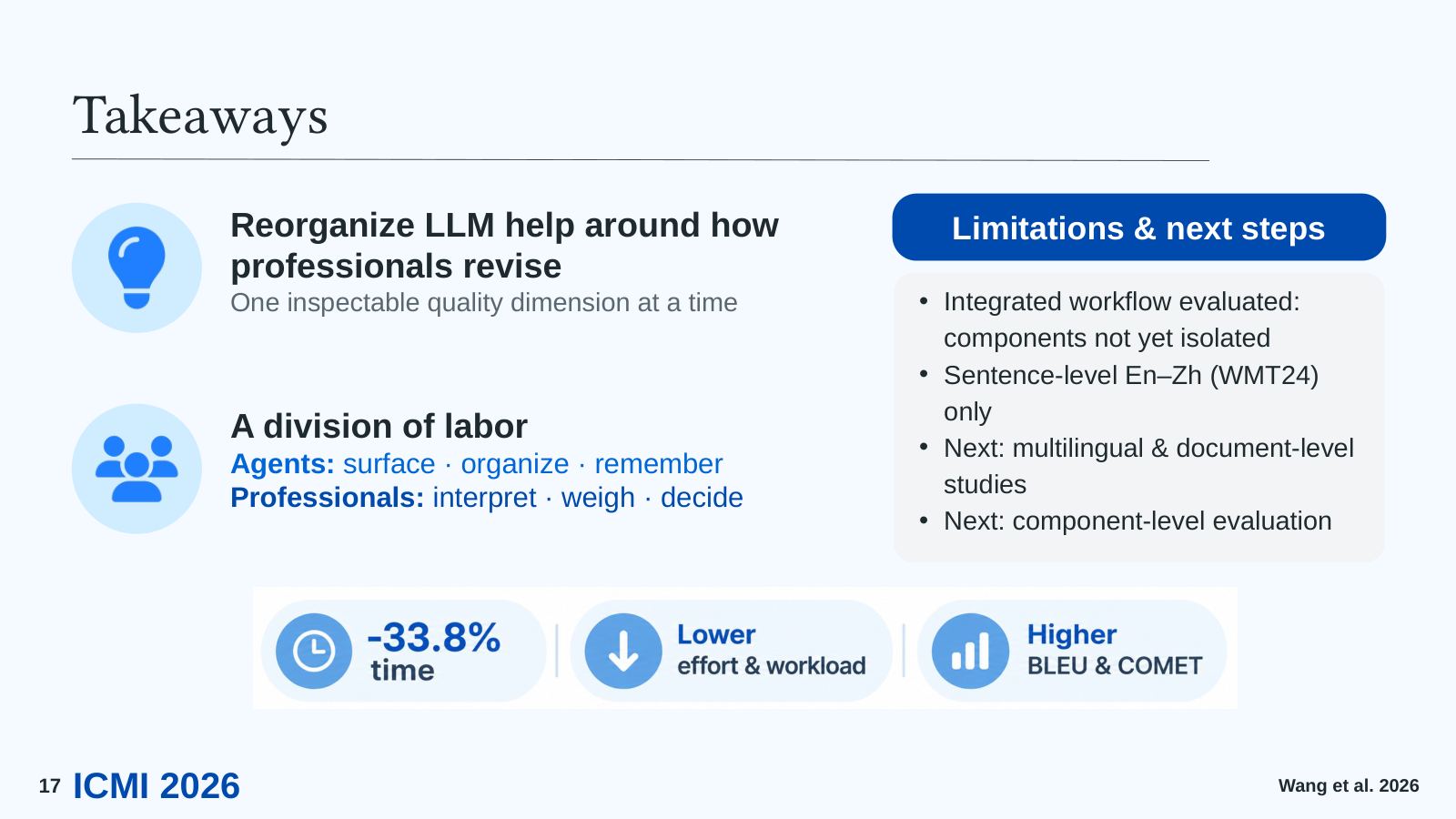
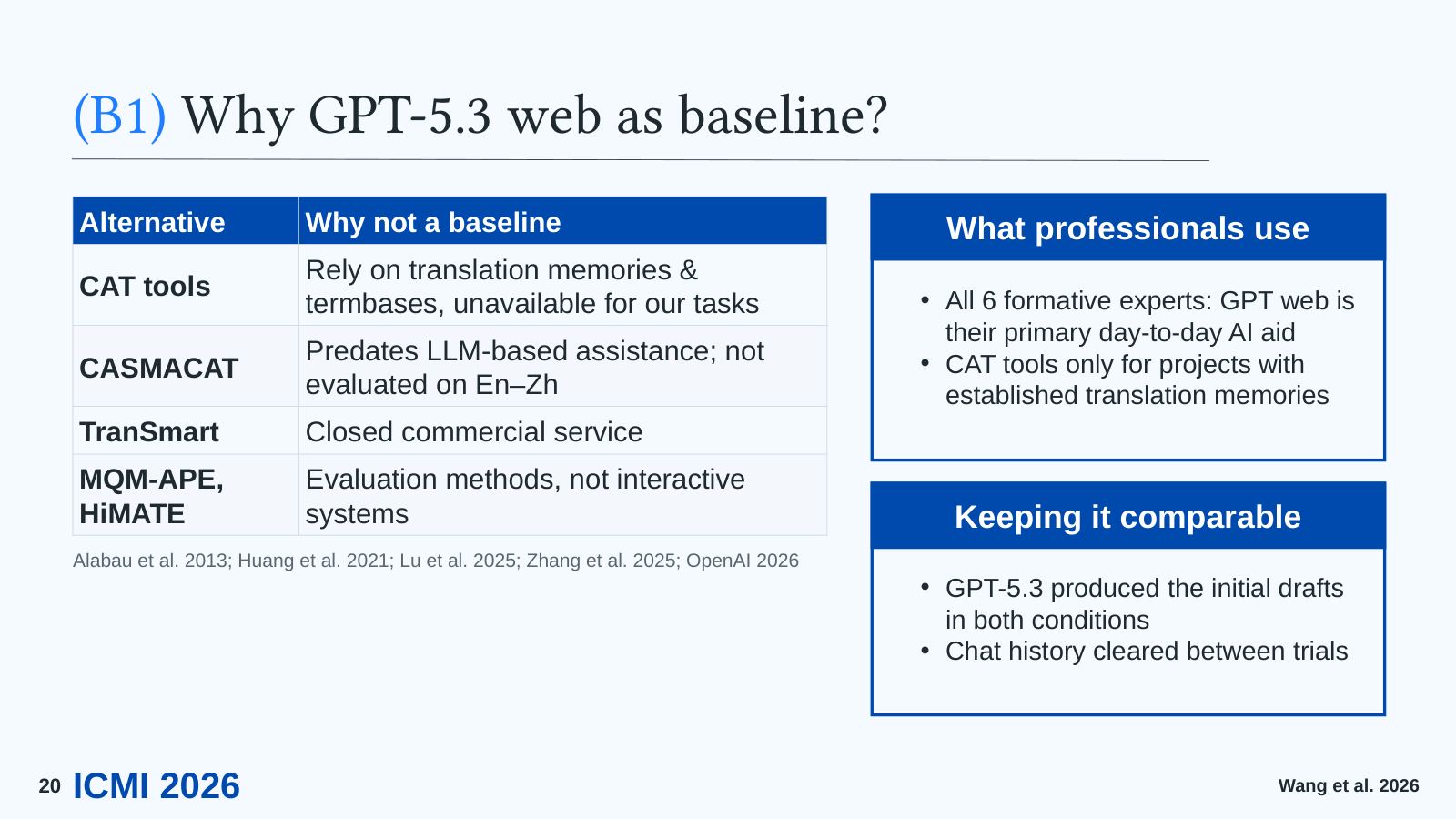
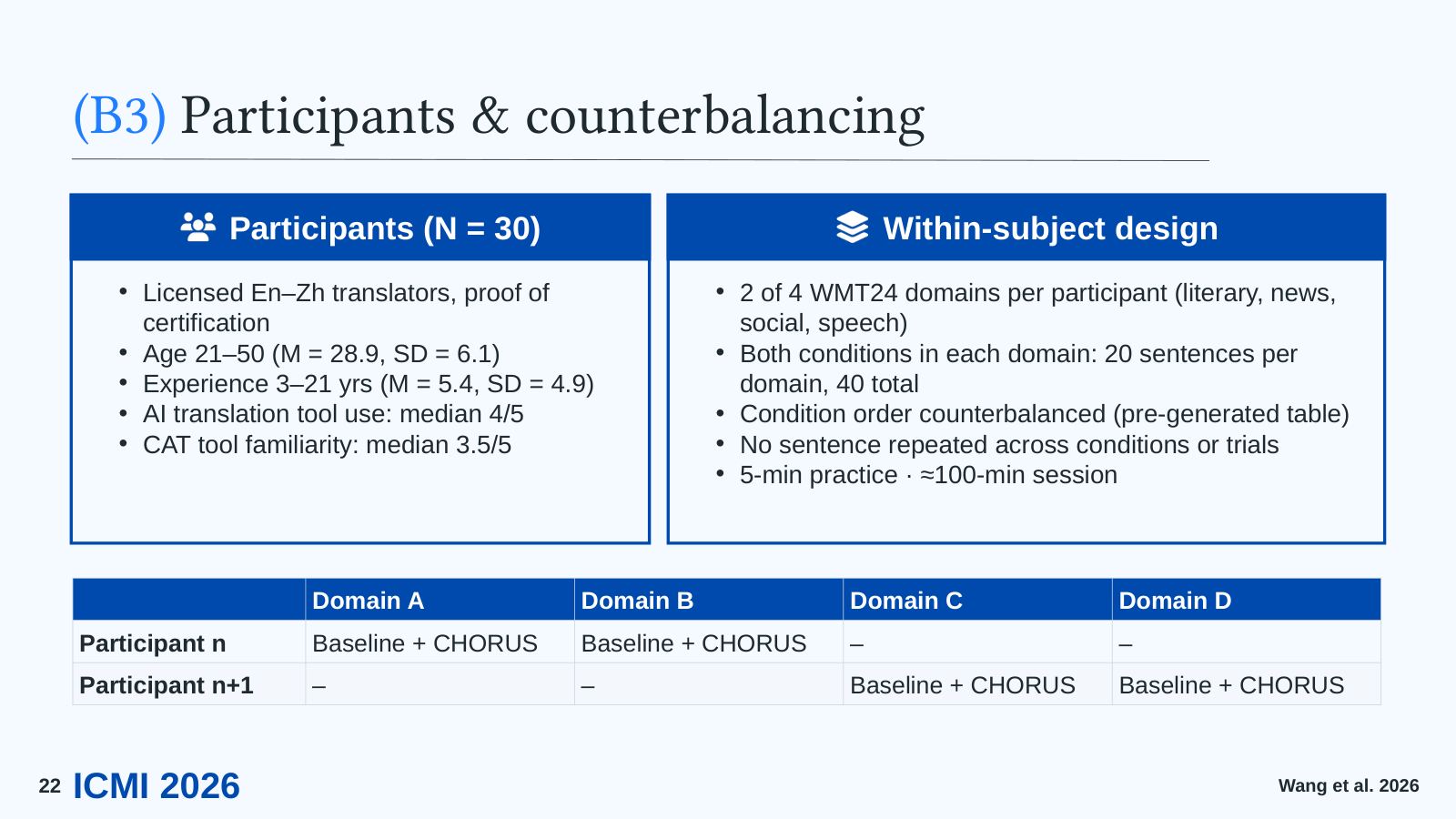
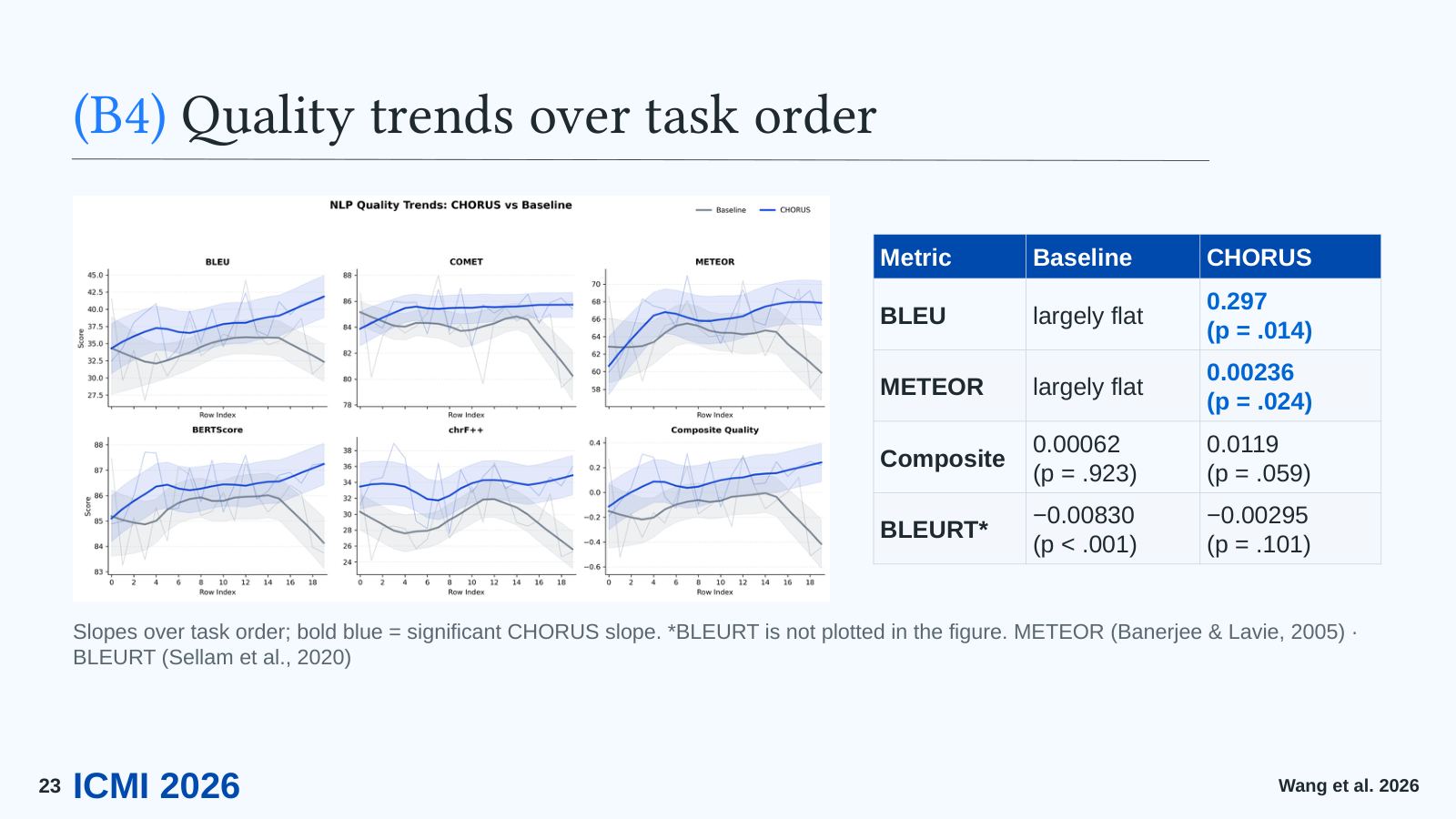
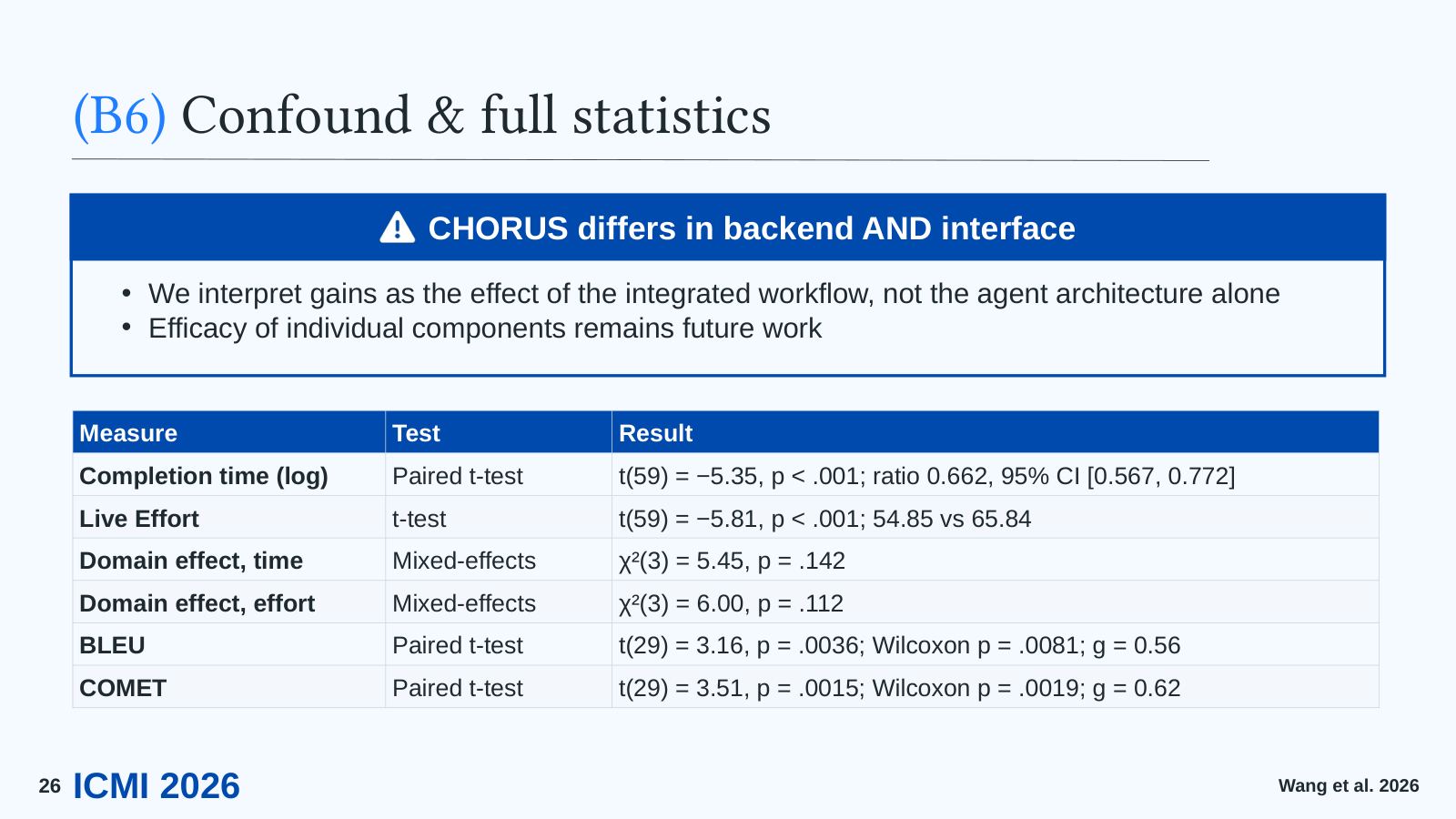
A formative study found that incorporating MQM theory may be beneficial for professional translation, and the system should adapt to each individual translator's idiosyncratic traits. The final within-subject study with 30 licensed English–Chinese translators found that our system reduced completion time by 33.8%, lowered translators' cognitive effort, and improved final translation quality measured by the automatic metrics BLEU and COMET.
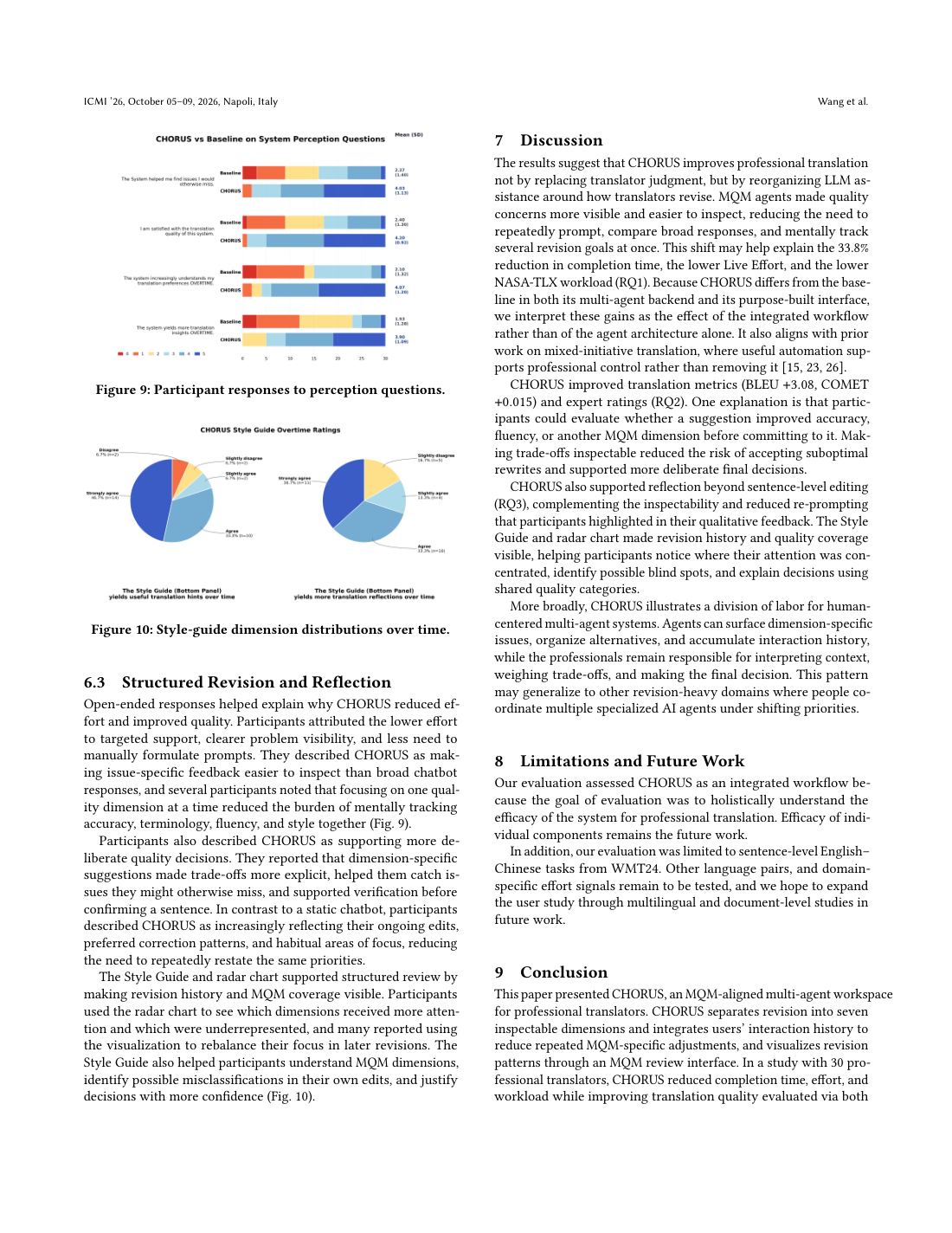
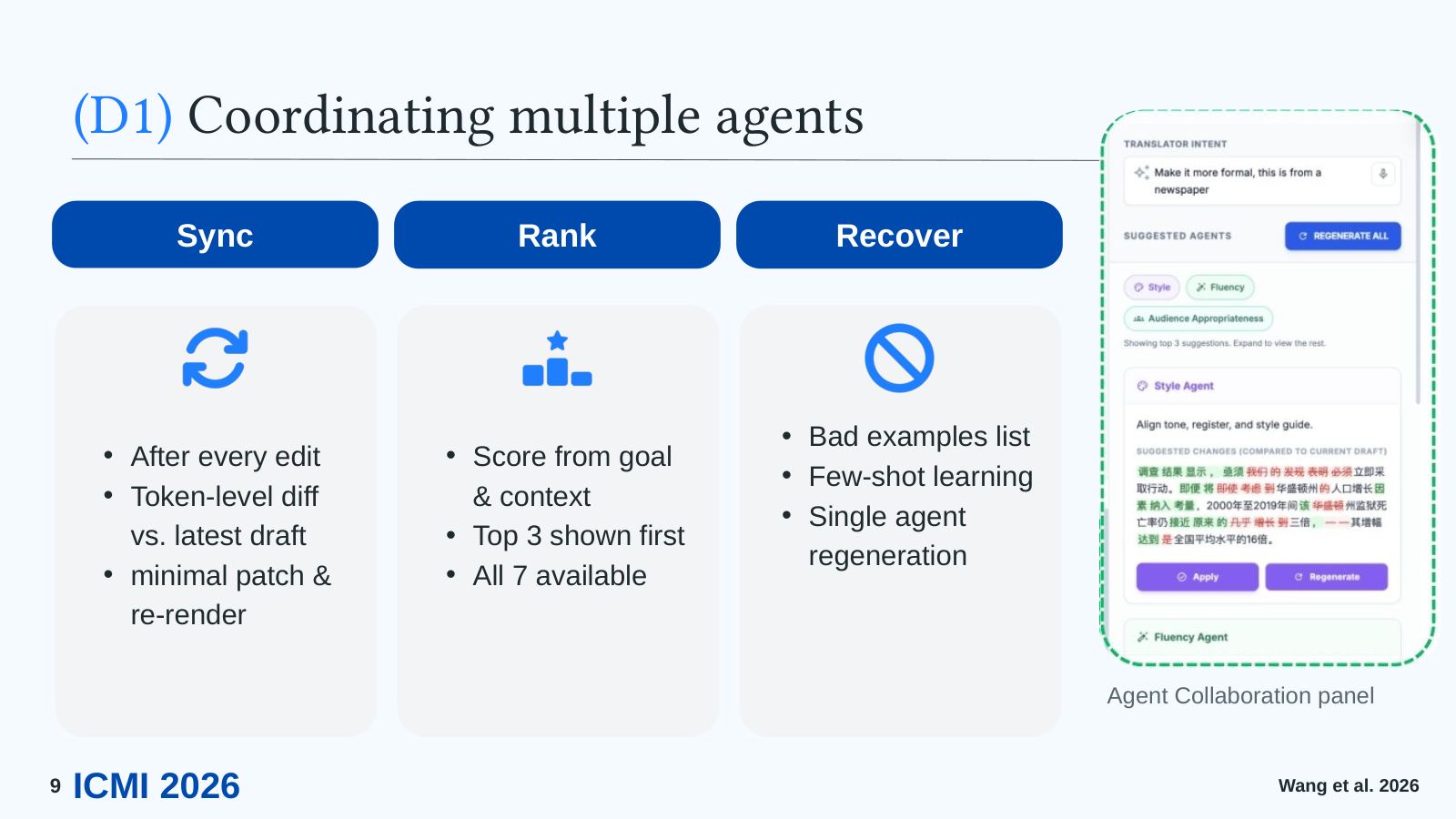
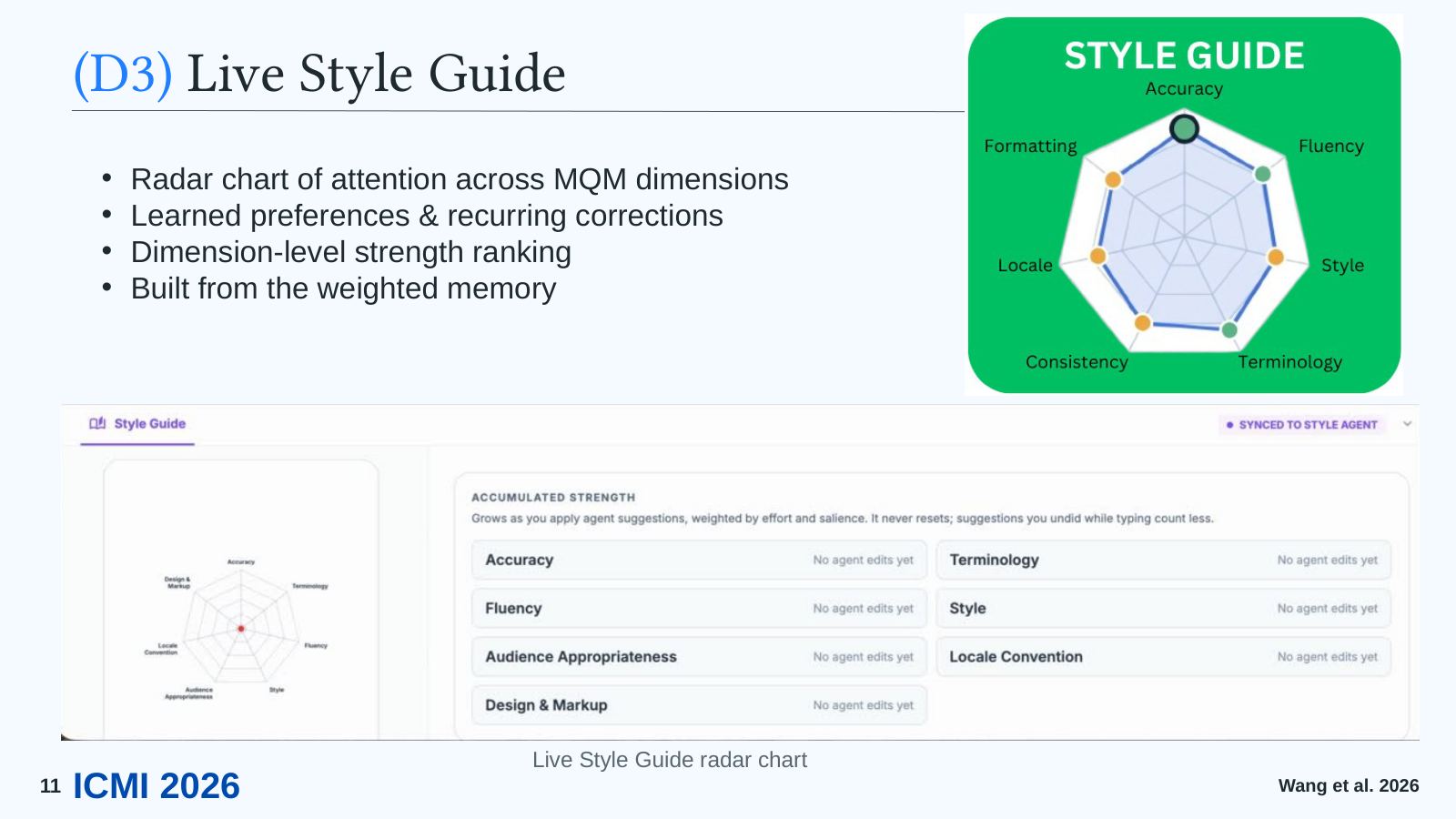
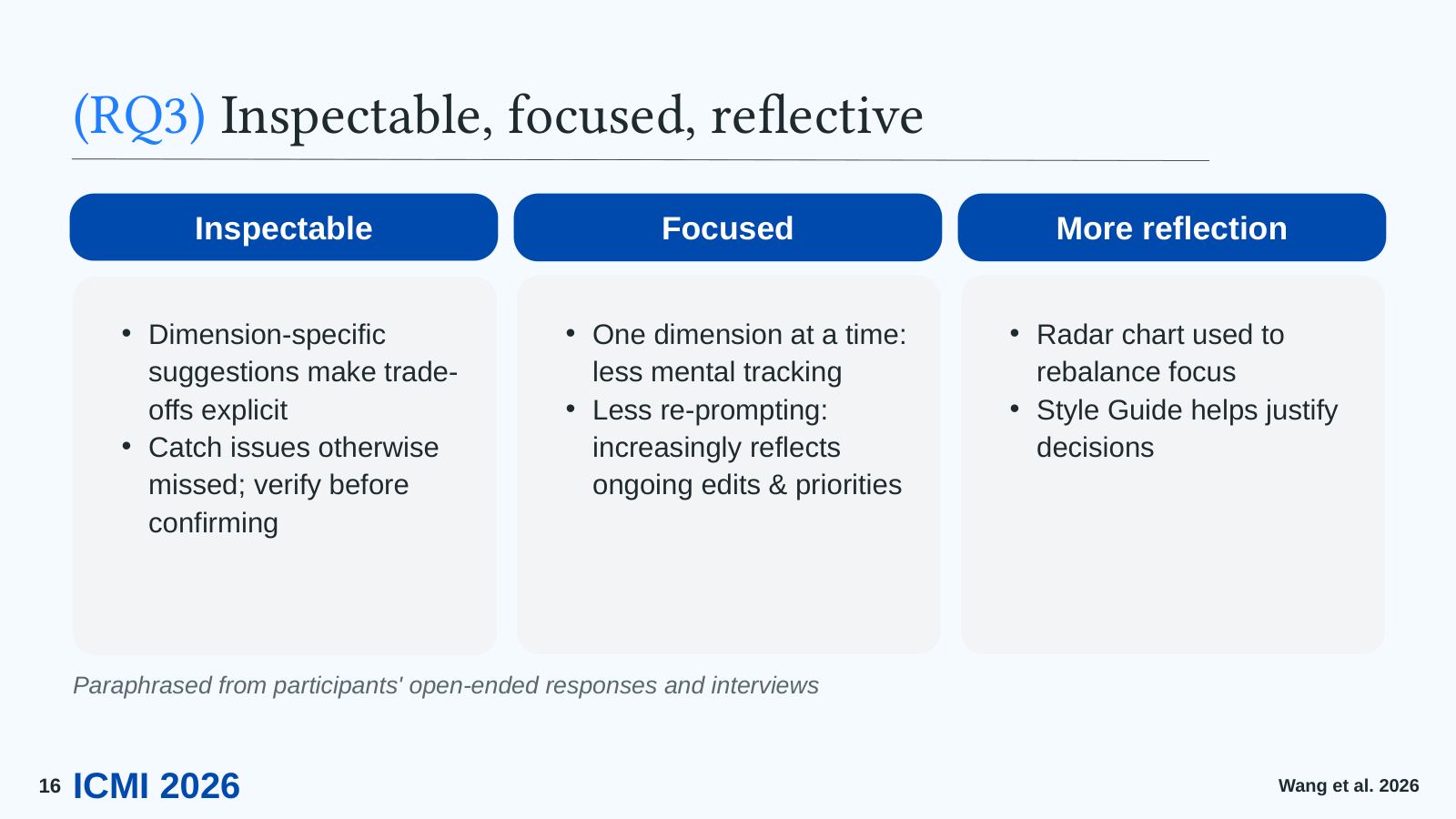
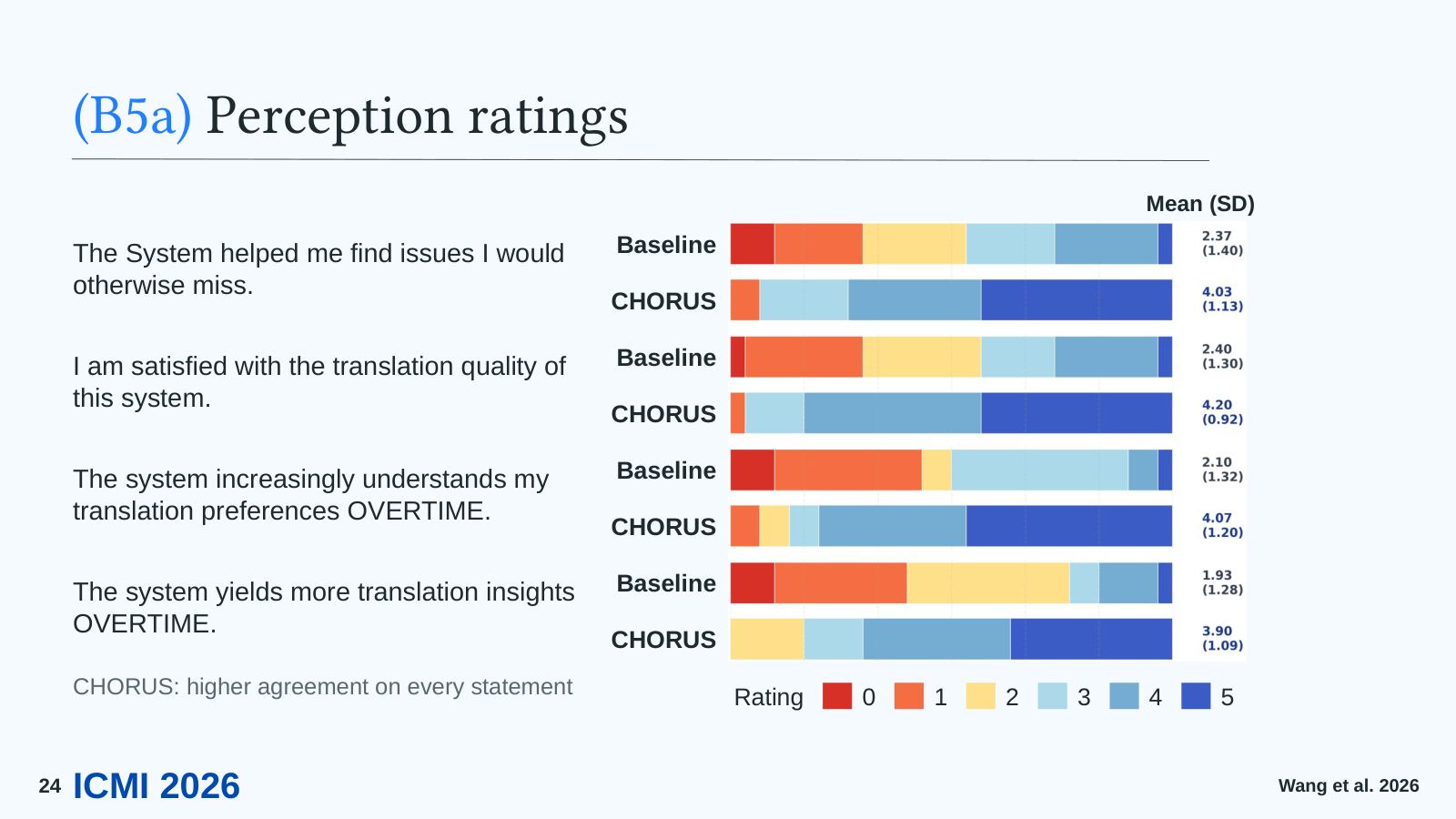
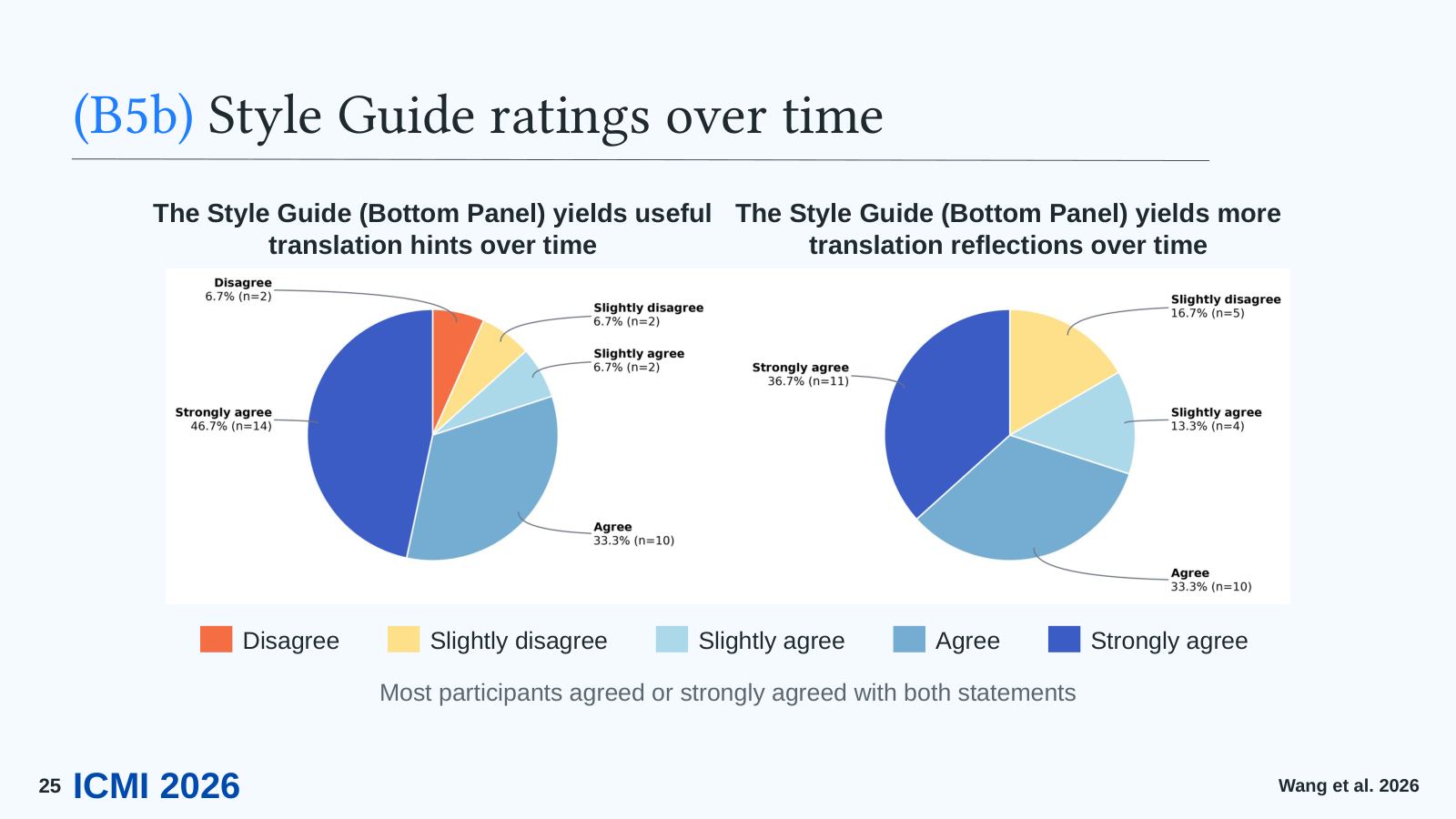
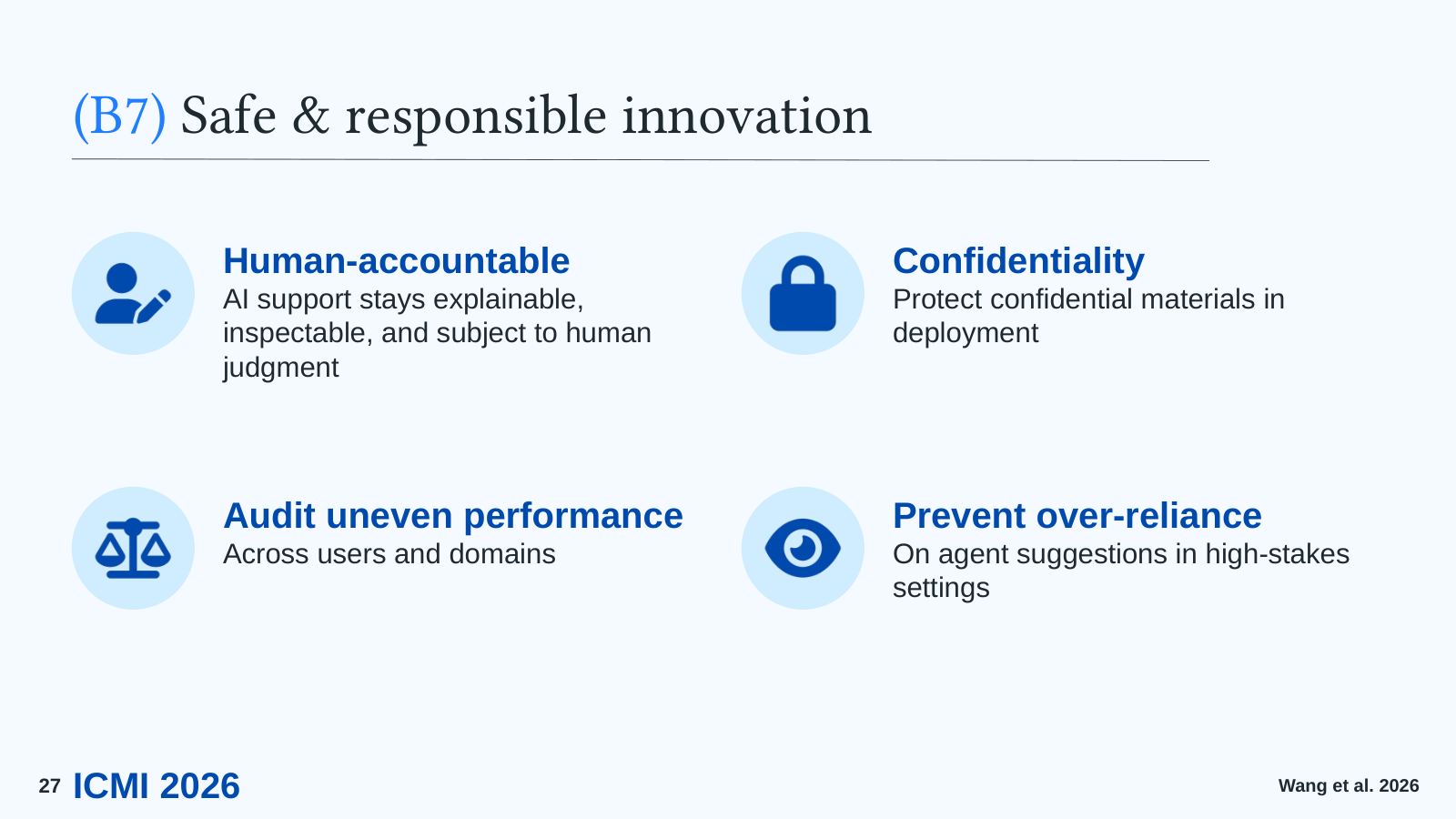
Participants also reported that the system made translation issues easier to inspect, reduced repeated prompting compared to a chat-interface LLM, and offered reflections on their habits and traits. Our findings illustrate how multi-agent AI systems can be designed to support expert workflows and their potential for professional use.