Inaccuracy of an E-Dictionary and Its Influence on Chinese Language Users
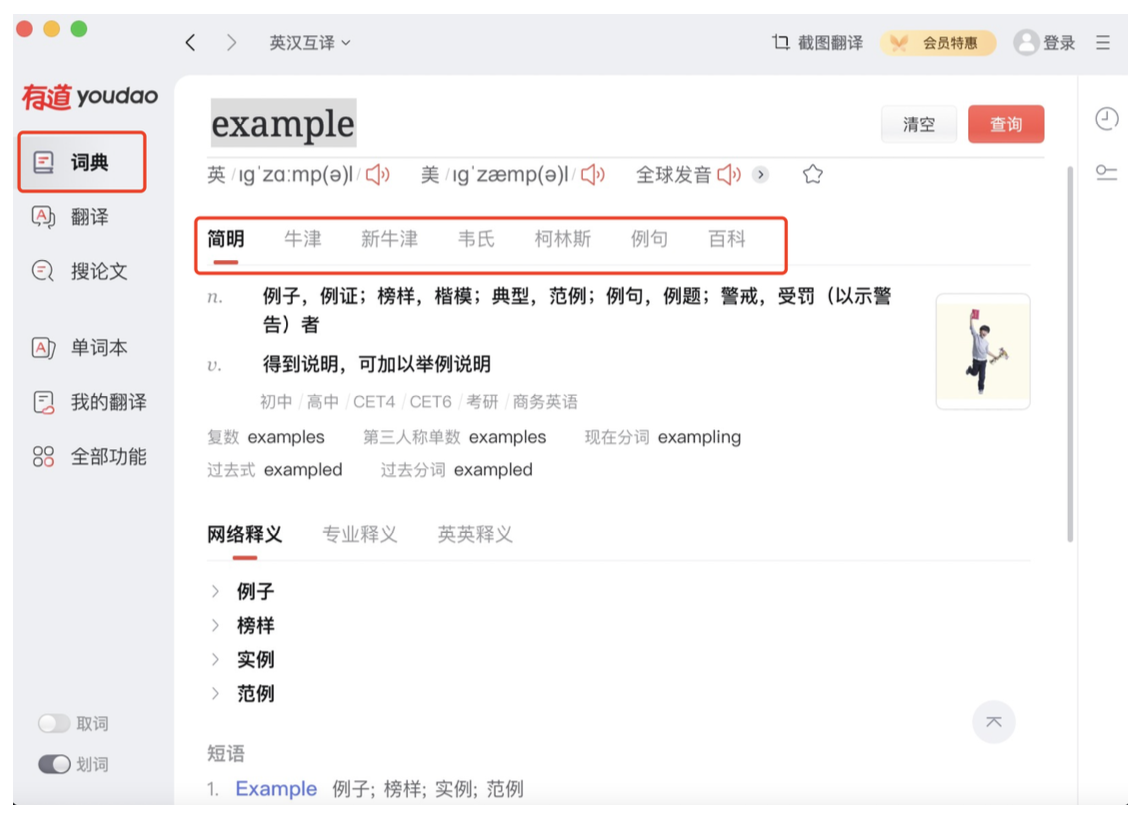
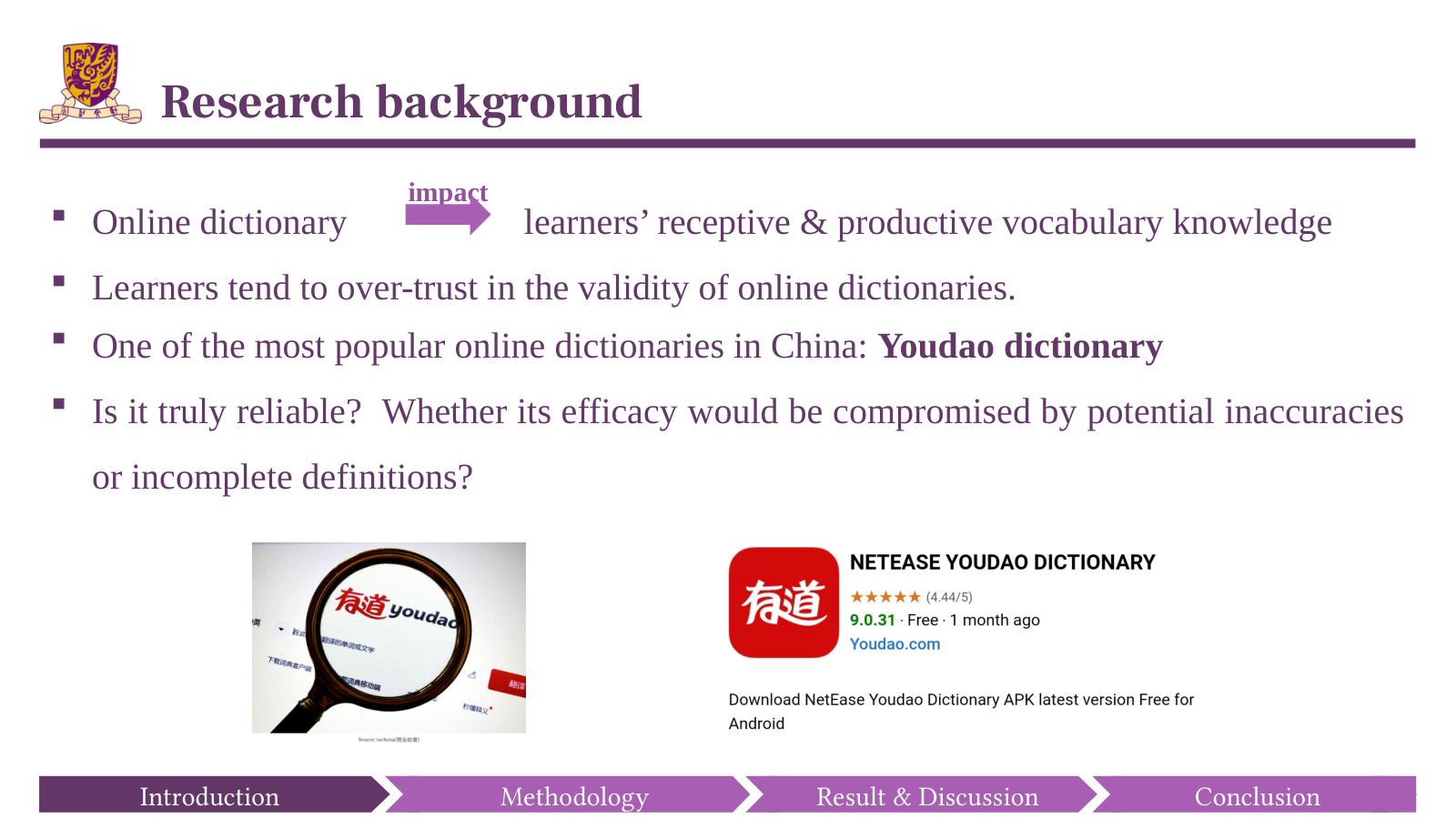
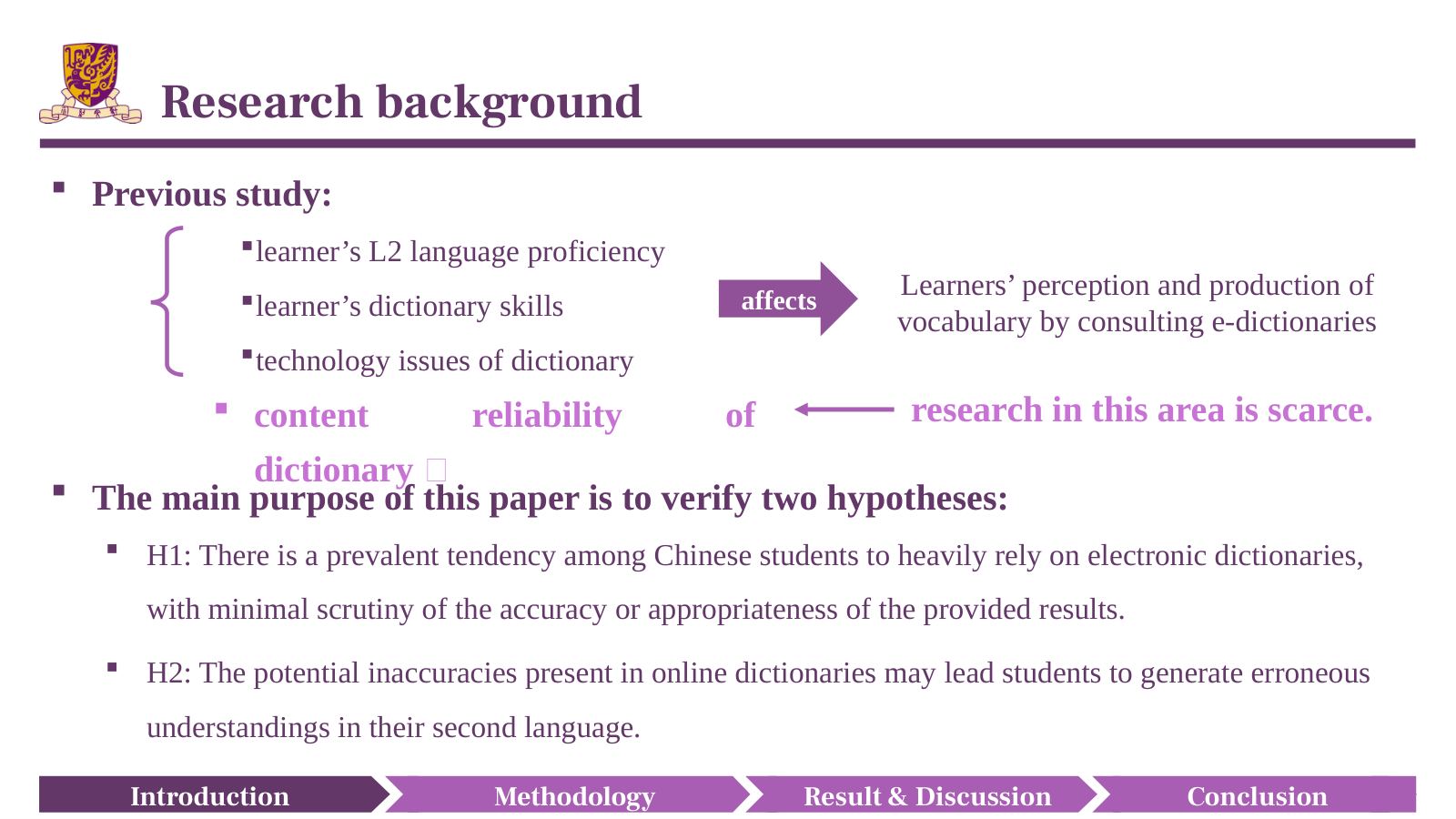
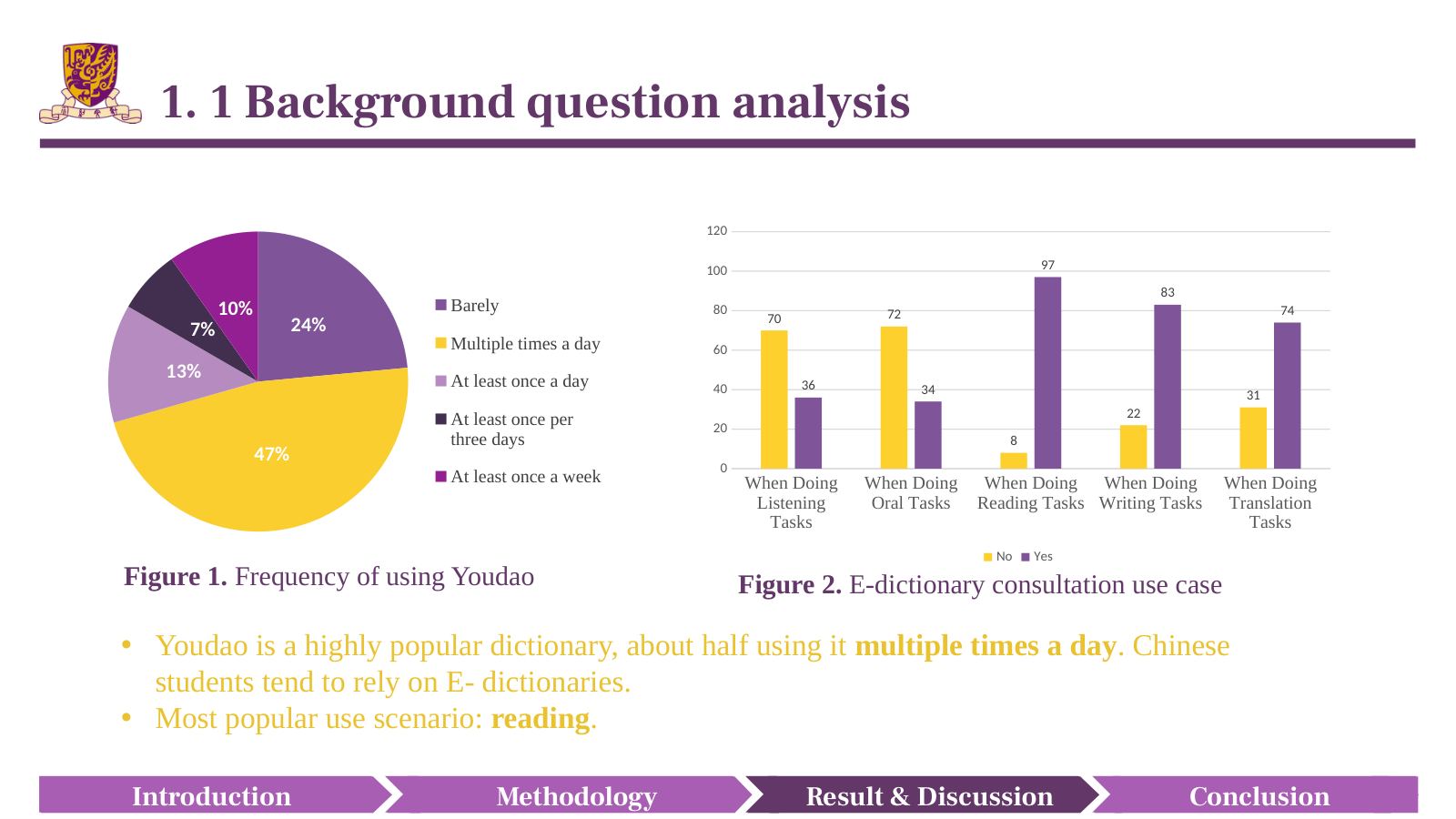
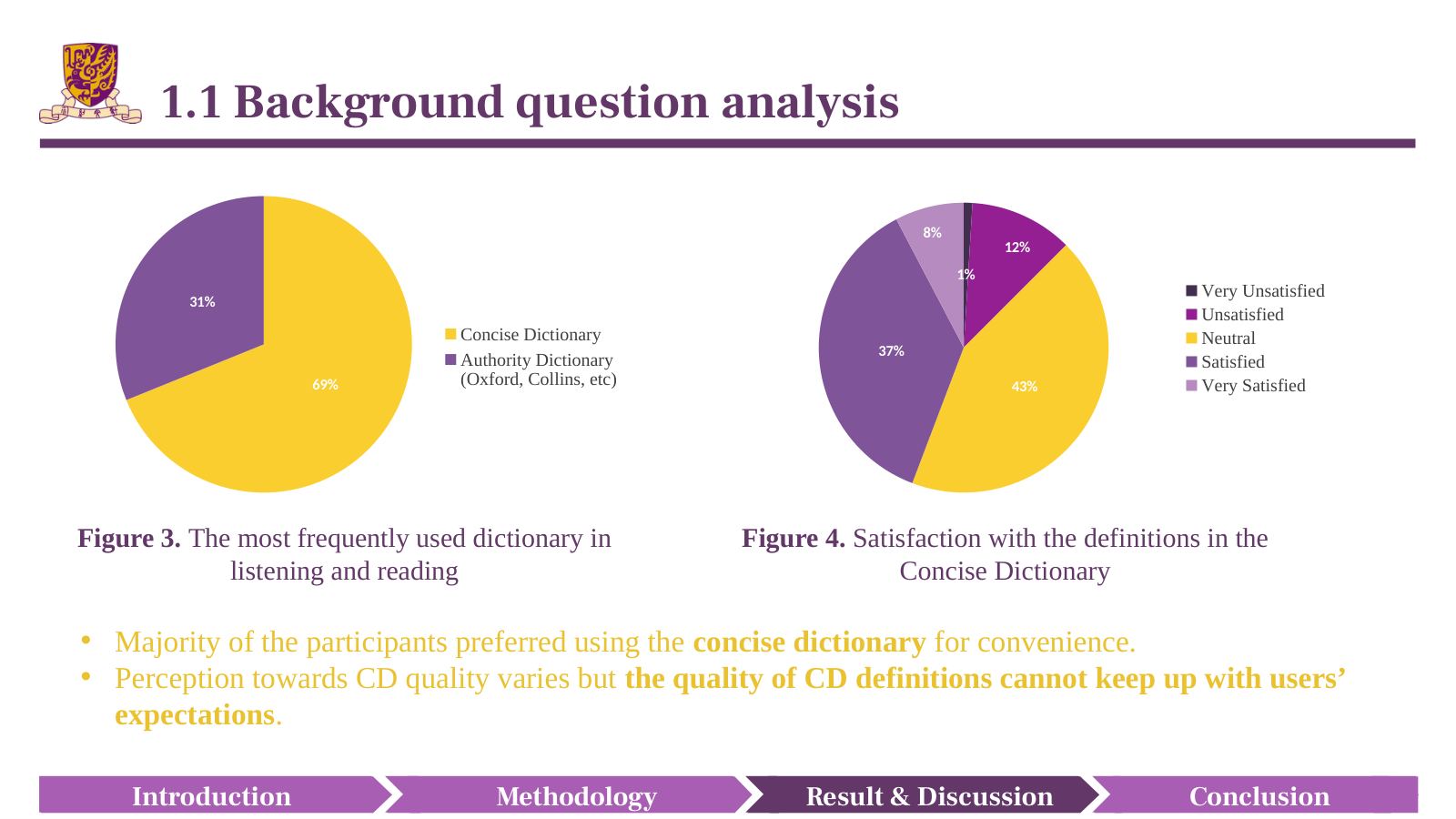
Electronic dictionaries have largely replaced paper dictionaries and become central tools for L2 learners seeking to expand their vocabulary. Users often assume these resources are reliable and rarely question the validity of the definitions provided. The accuracy of major E-dictionaries is seldom scrutinized, and little attention has been paid to how their corpora are constructed.
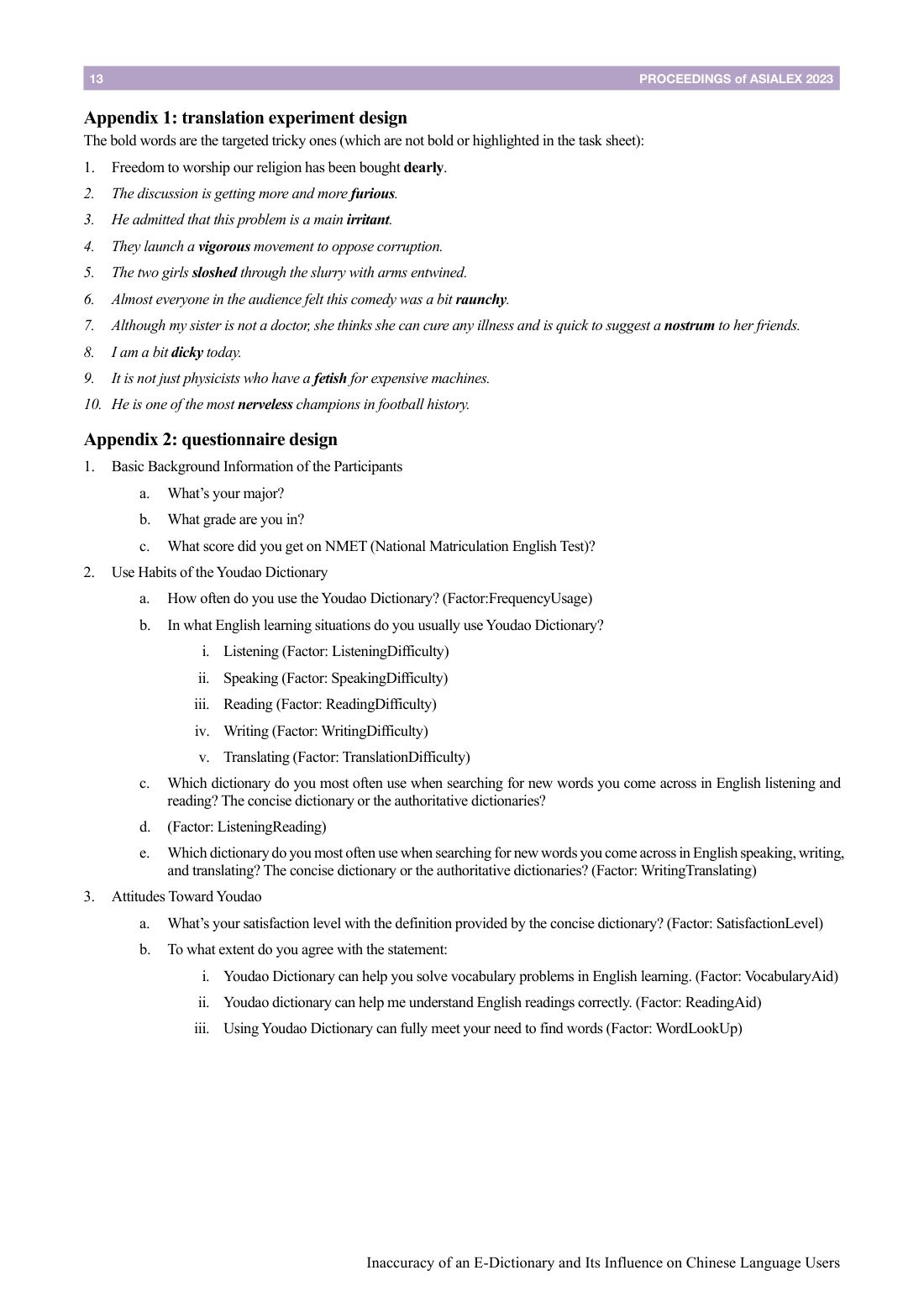
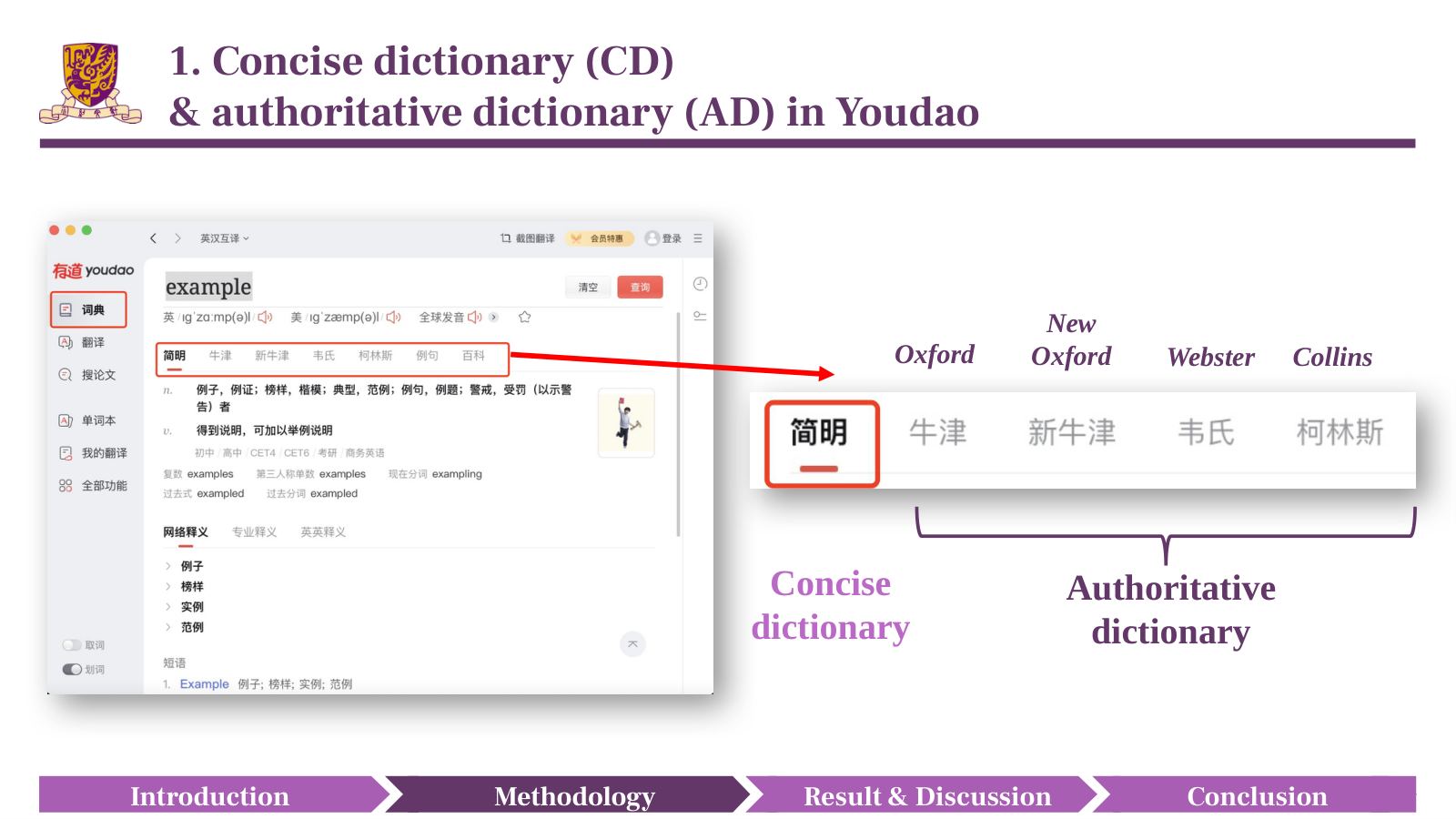
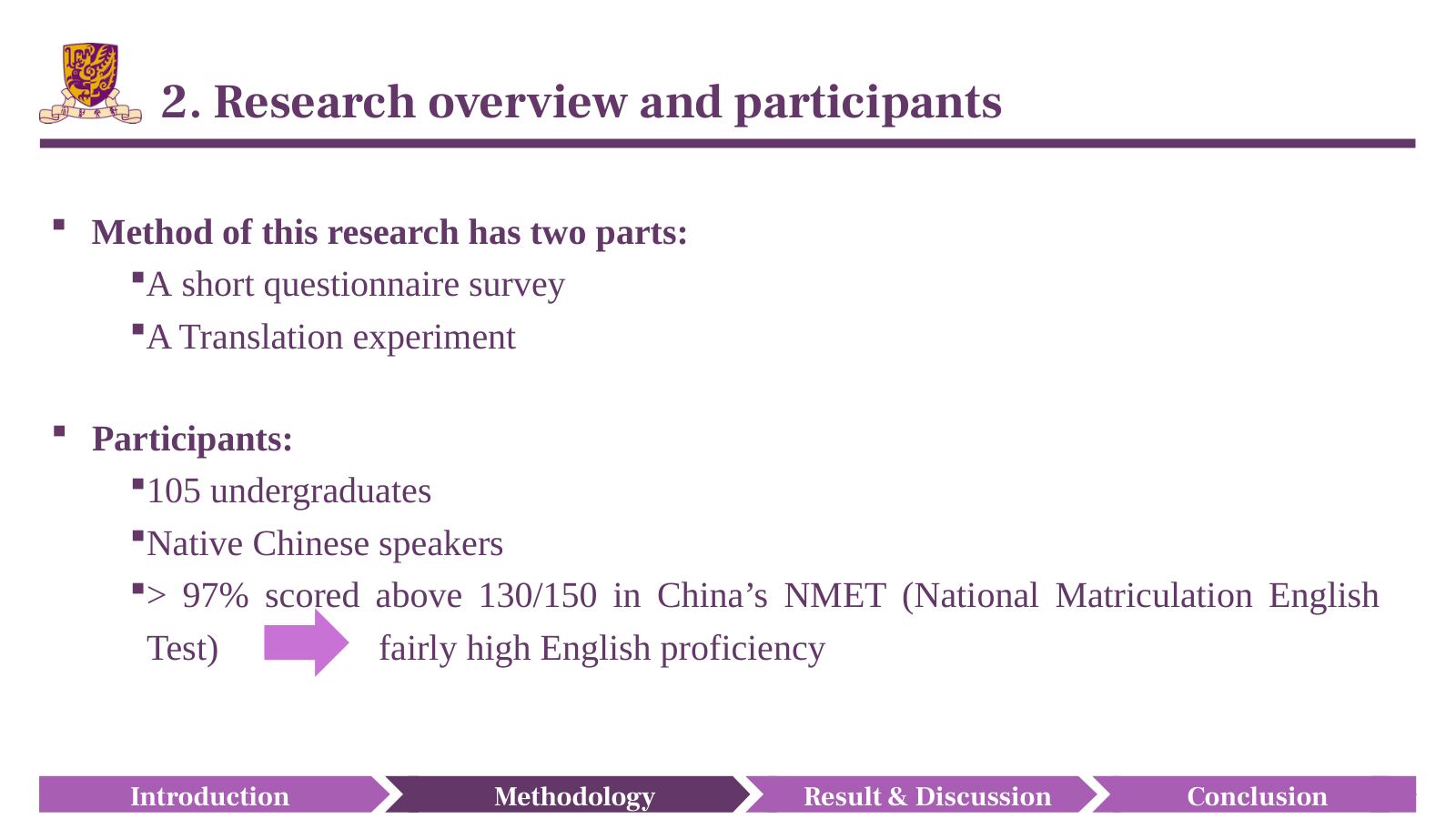
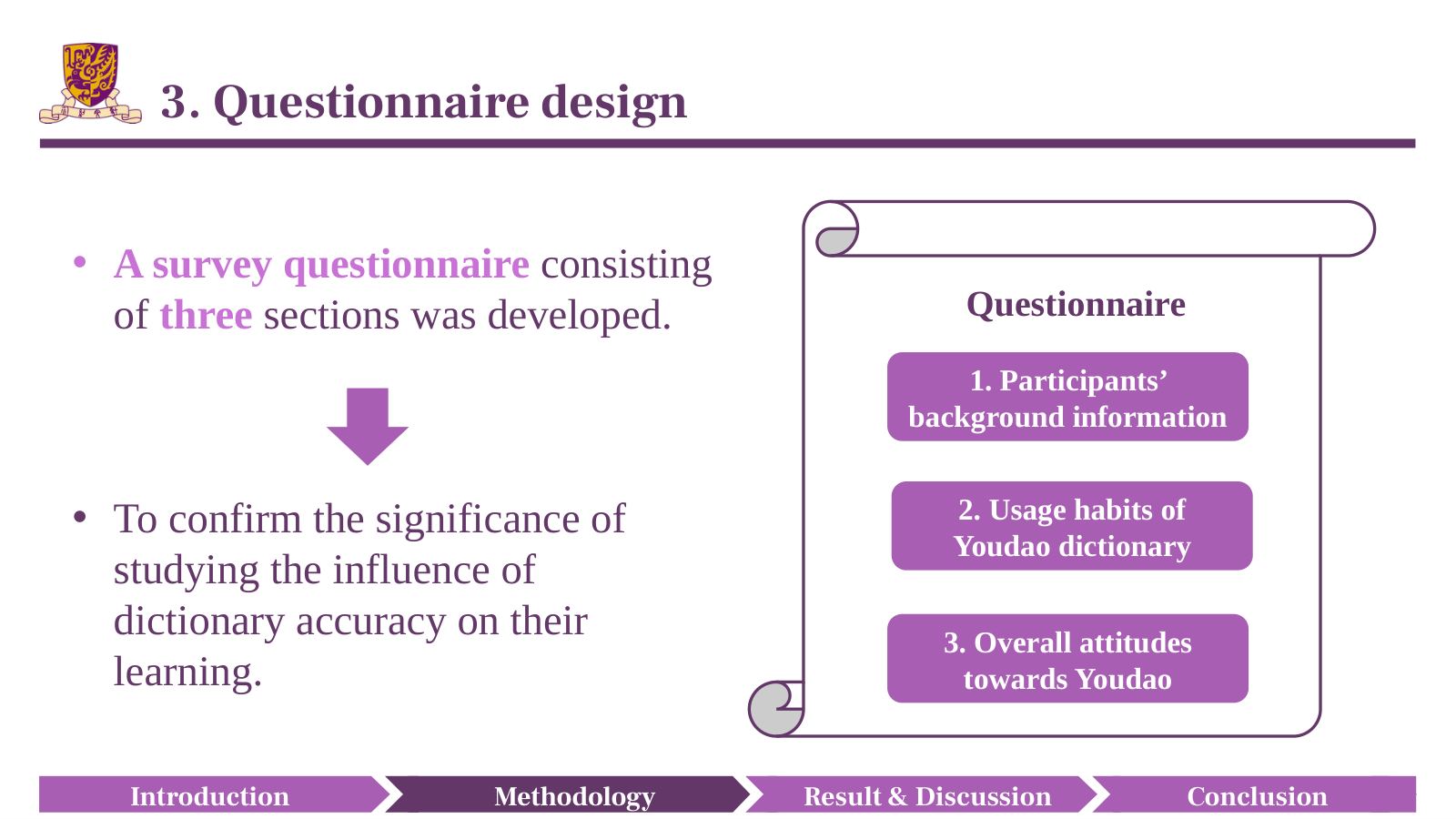
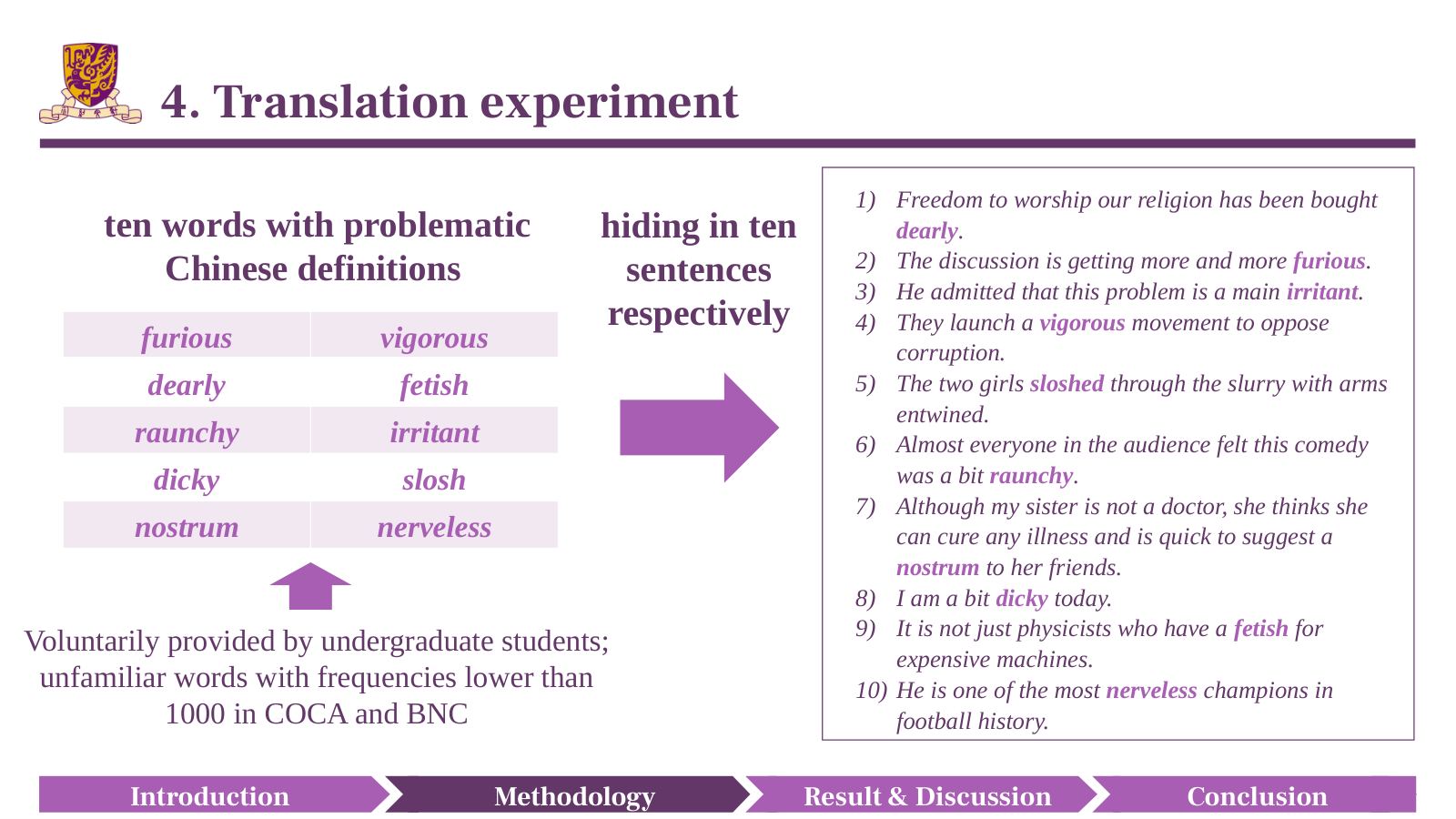
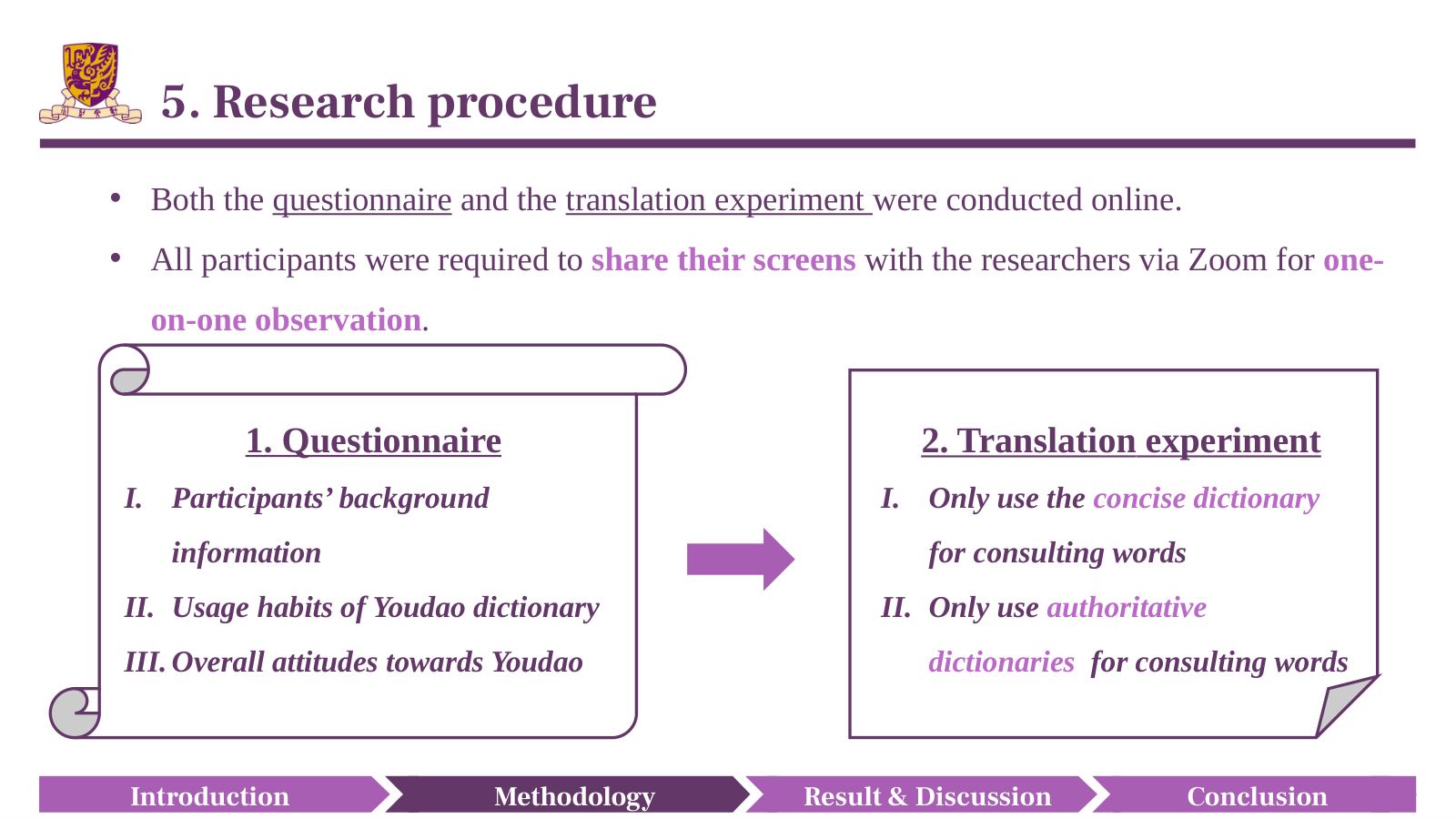
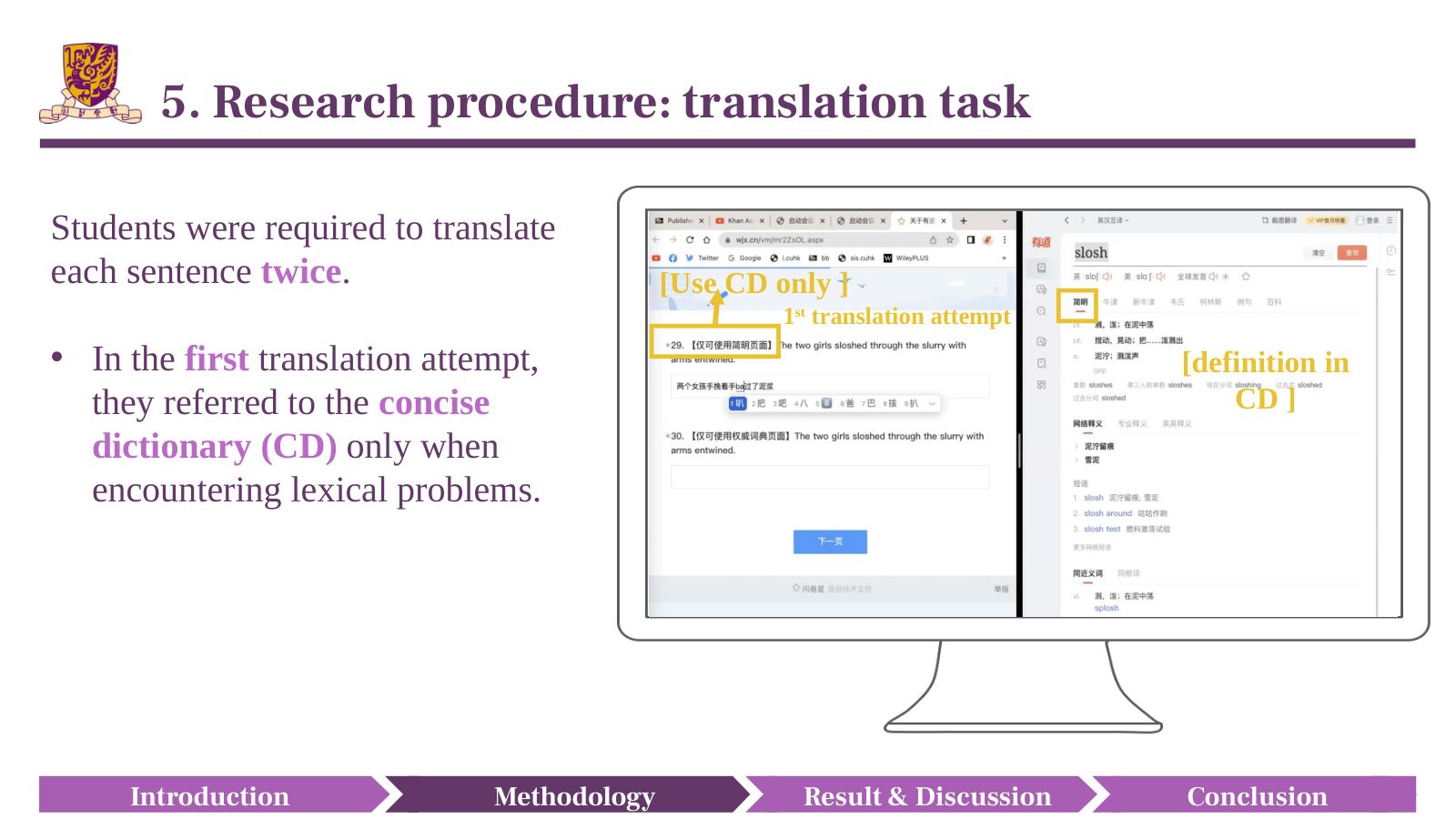
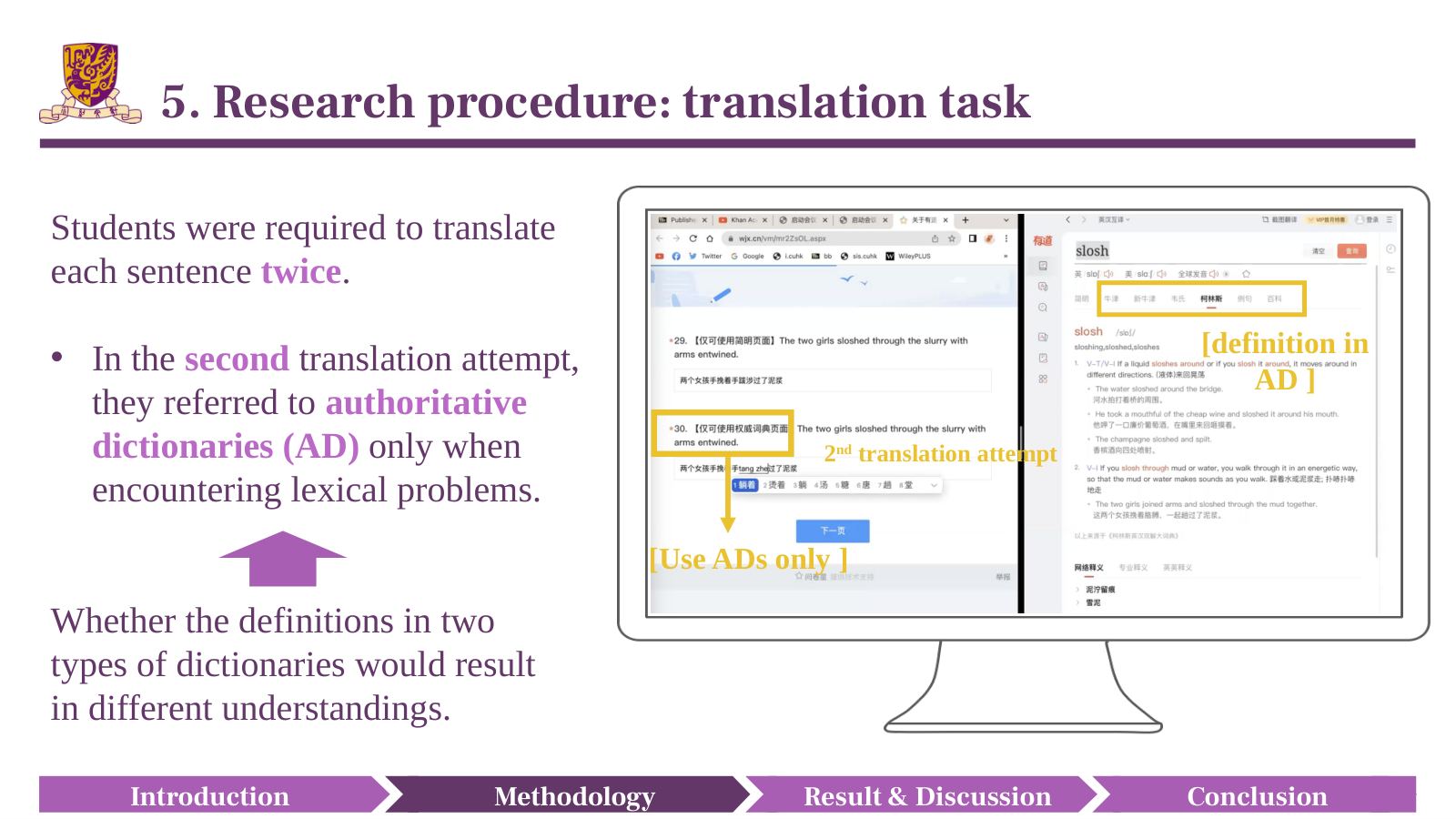
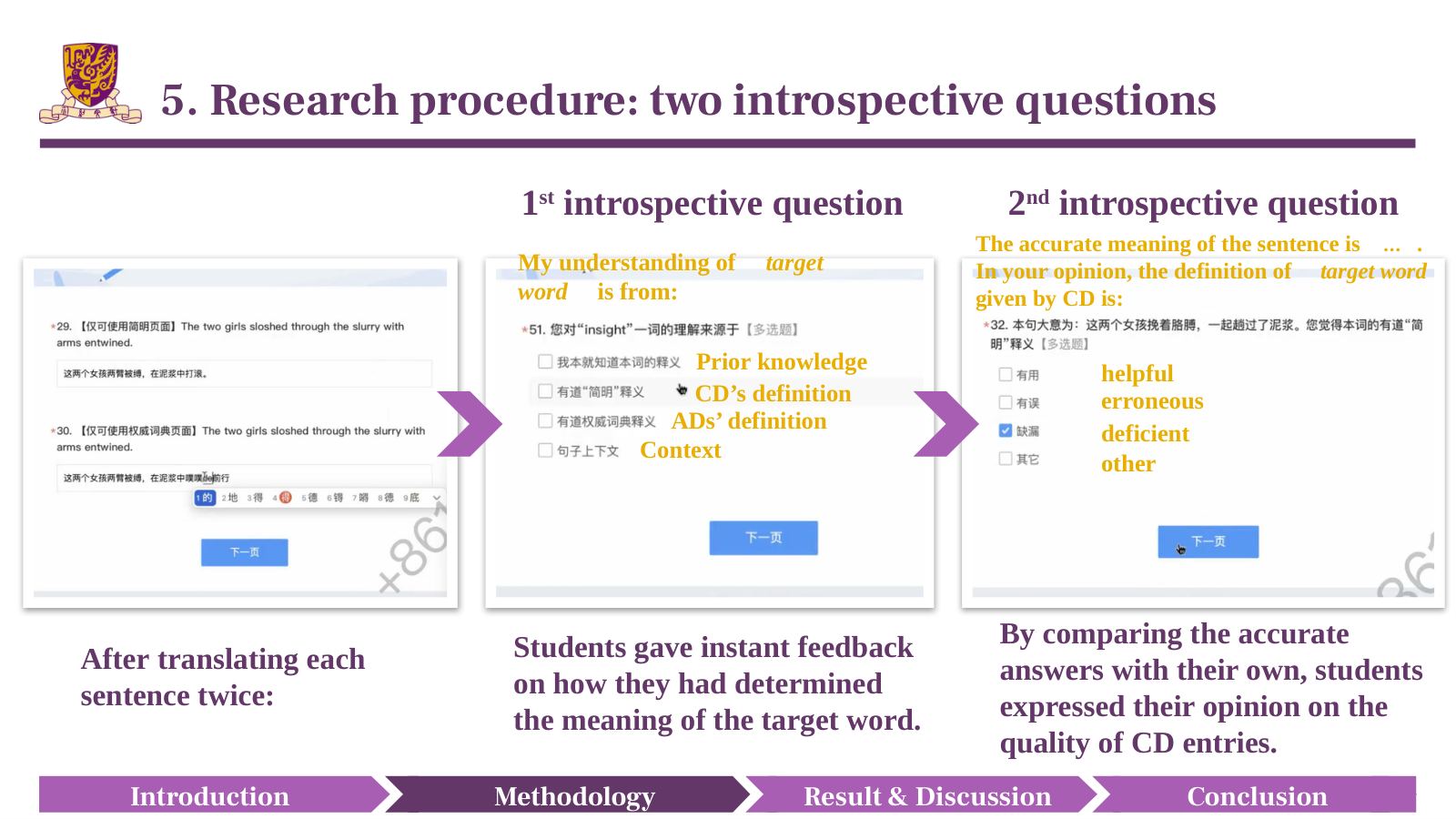
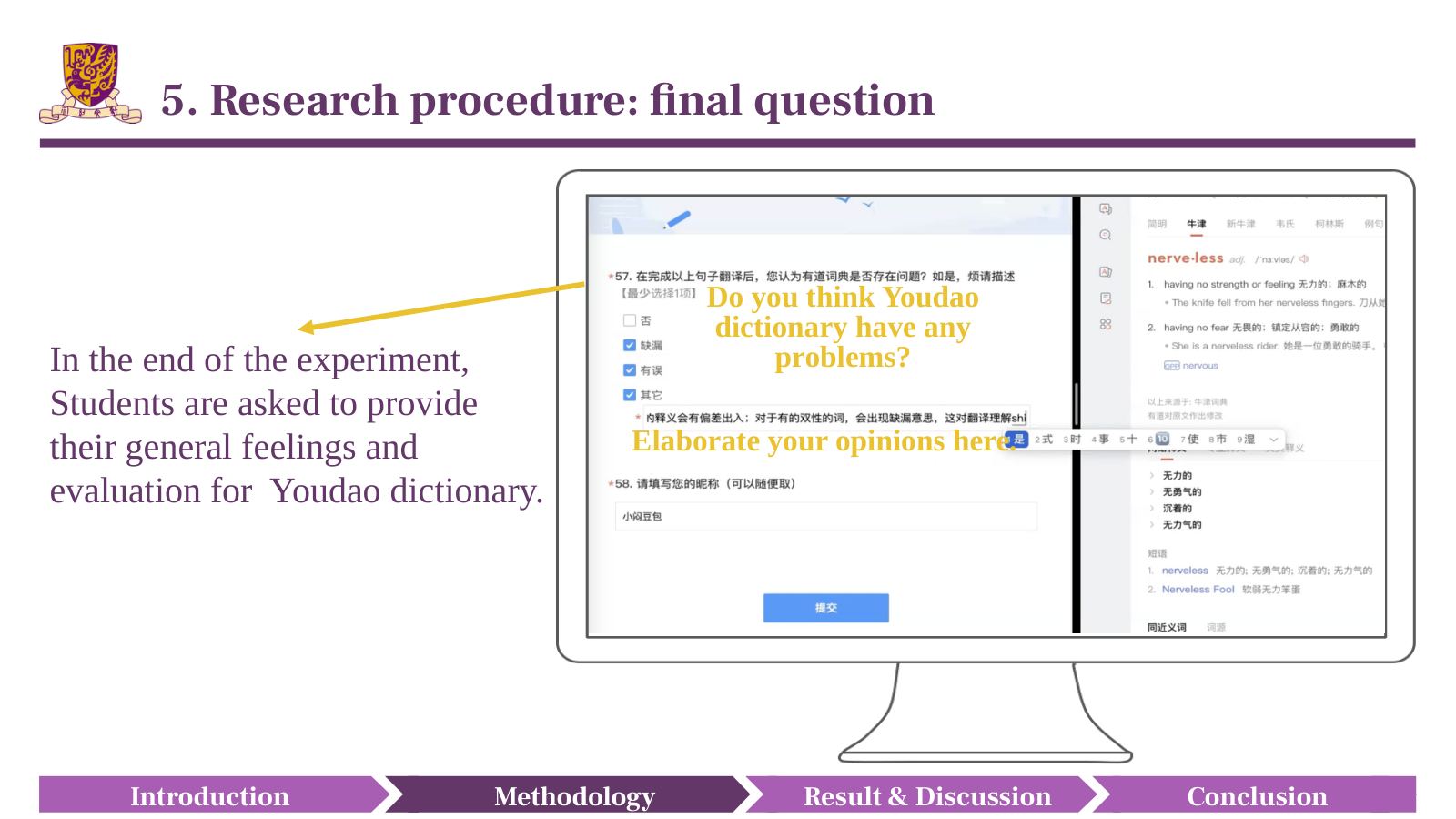
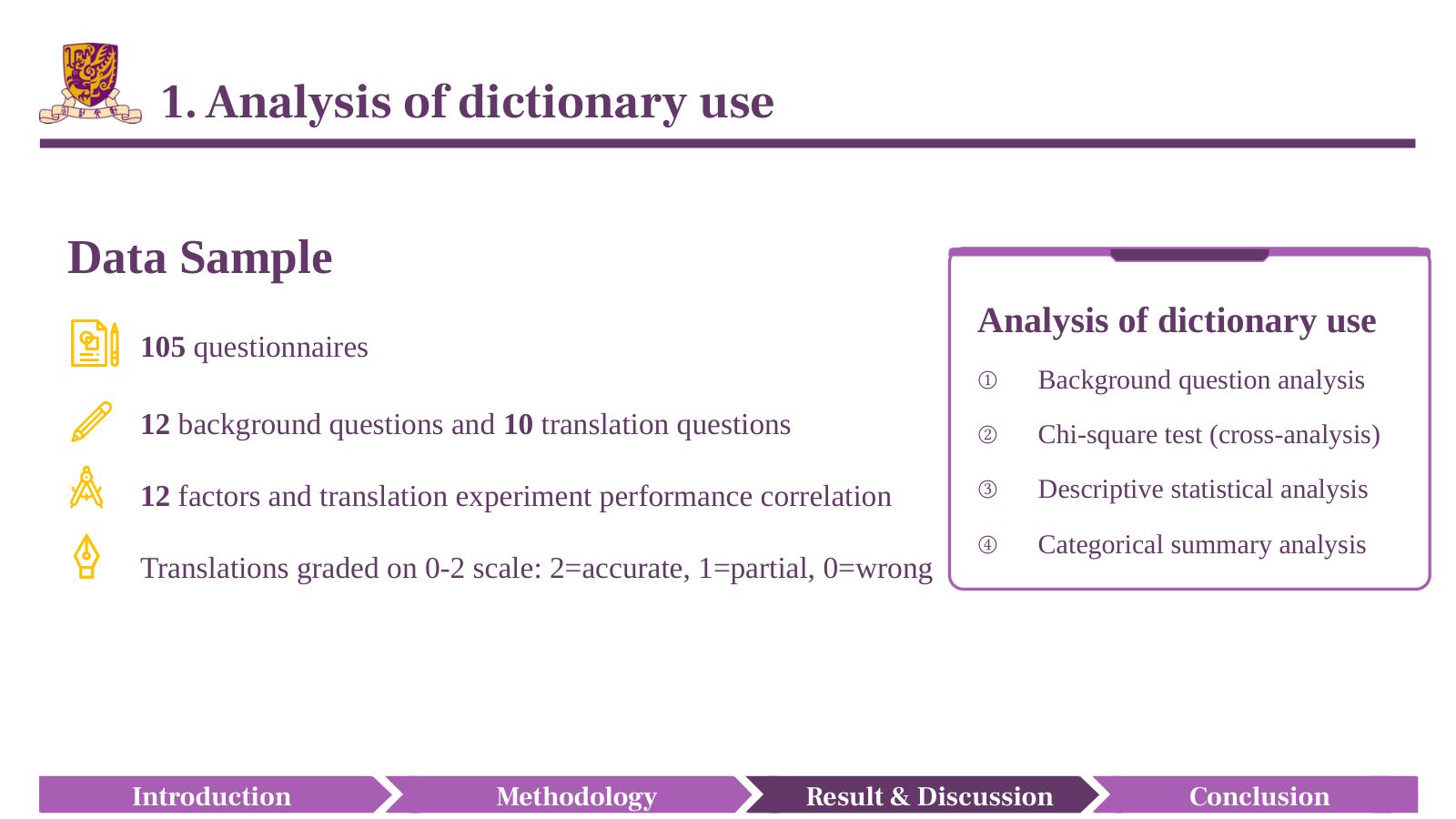
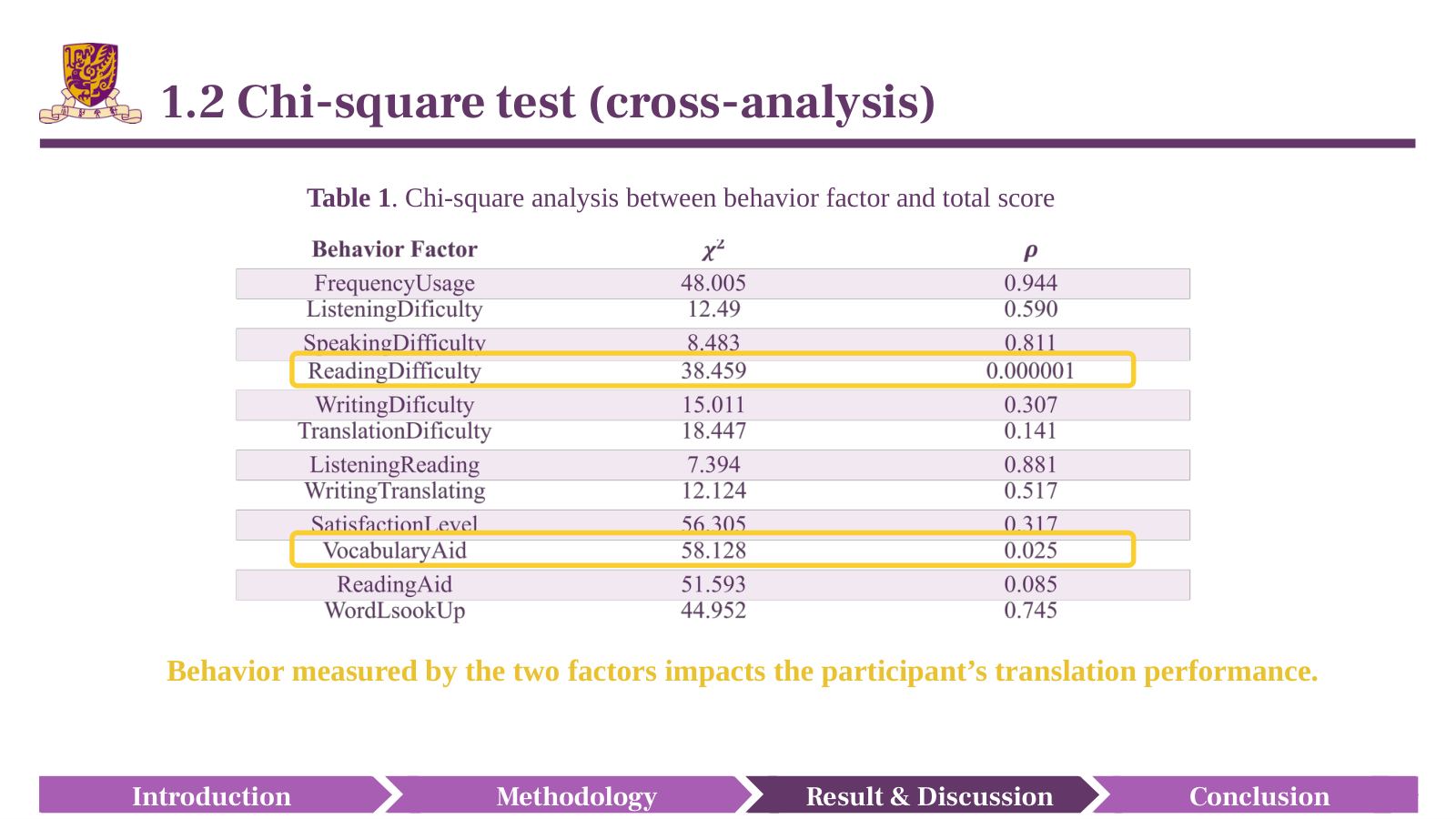
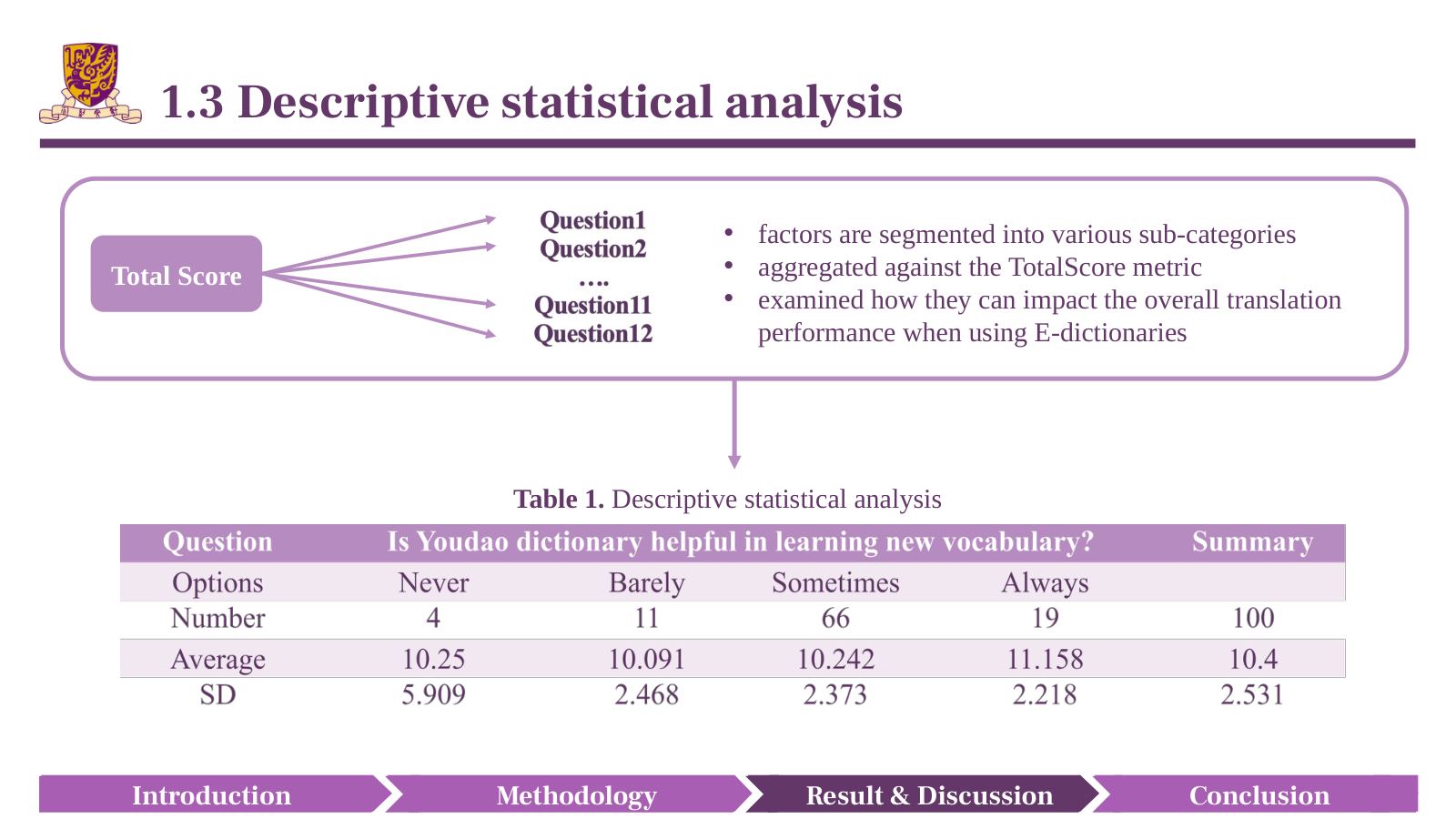
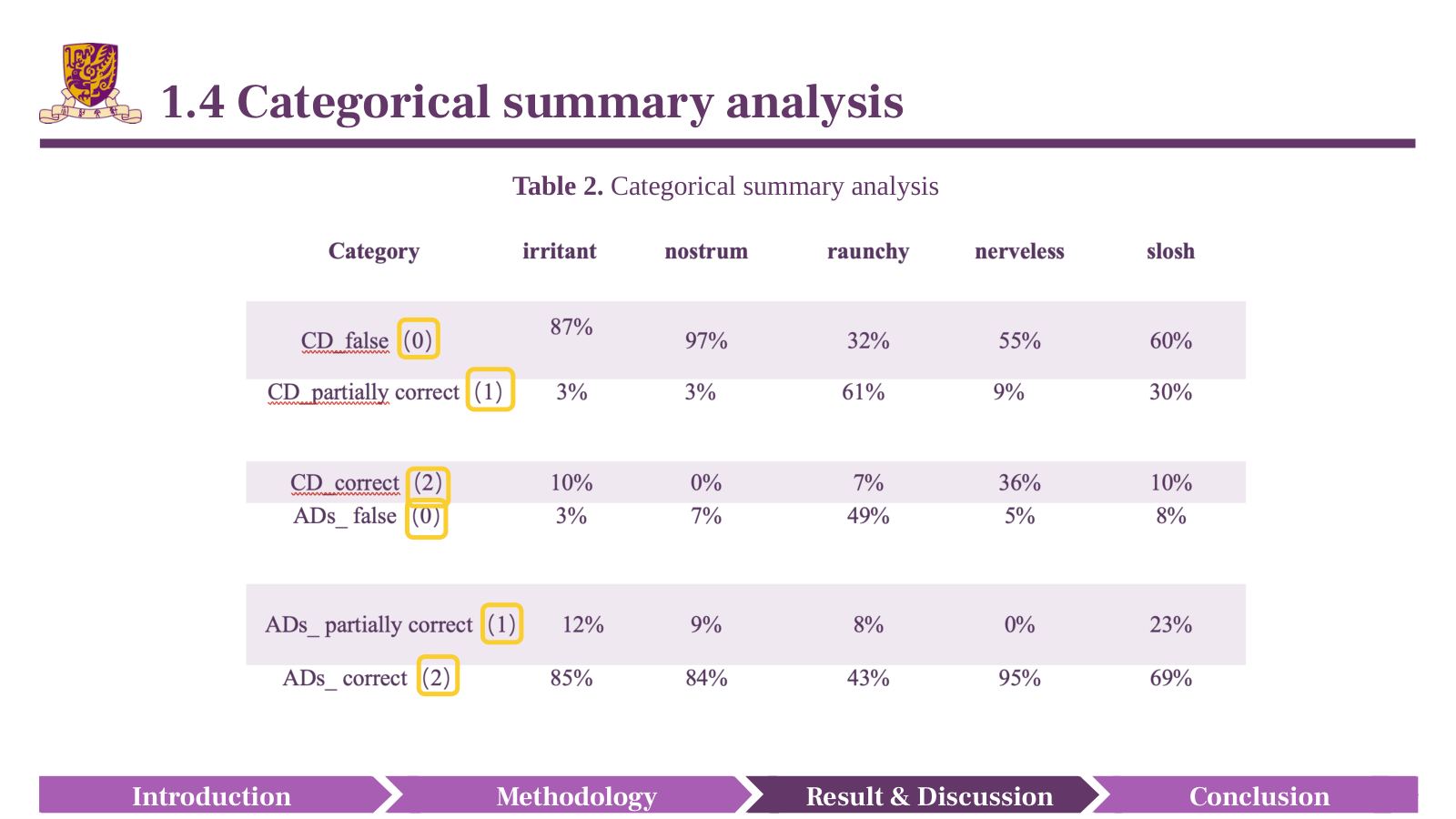
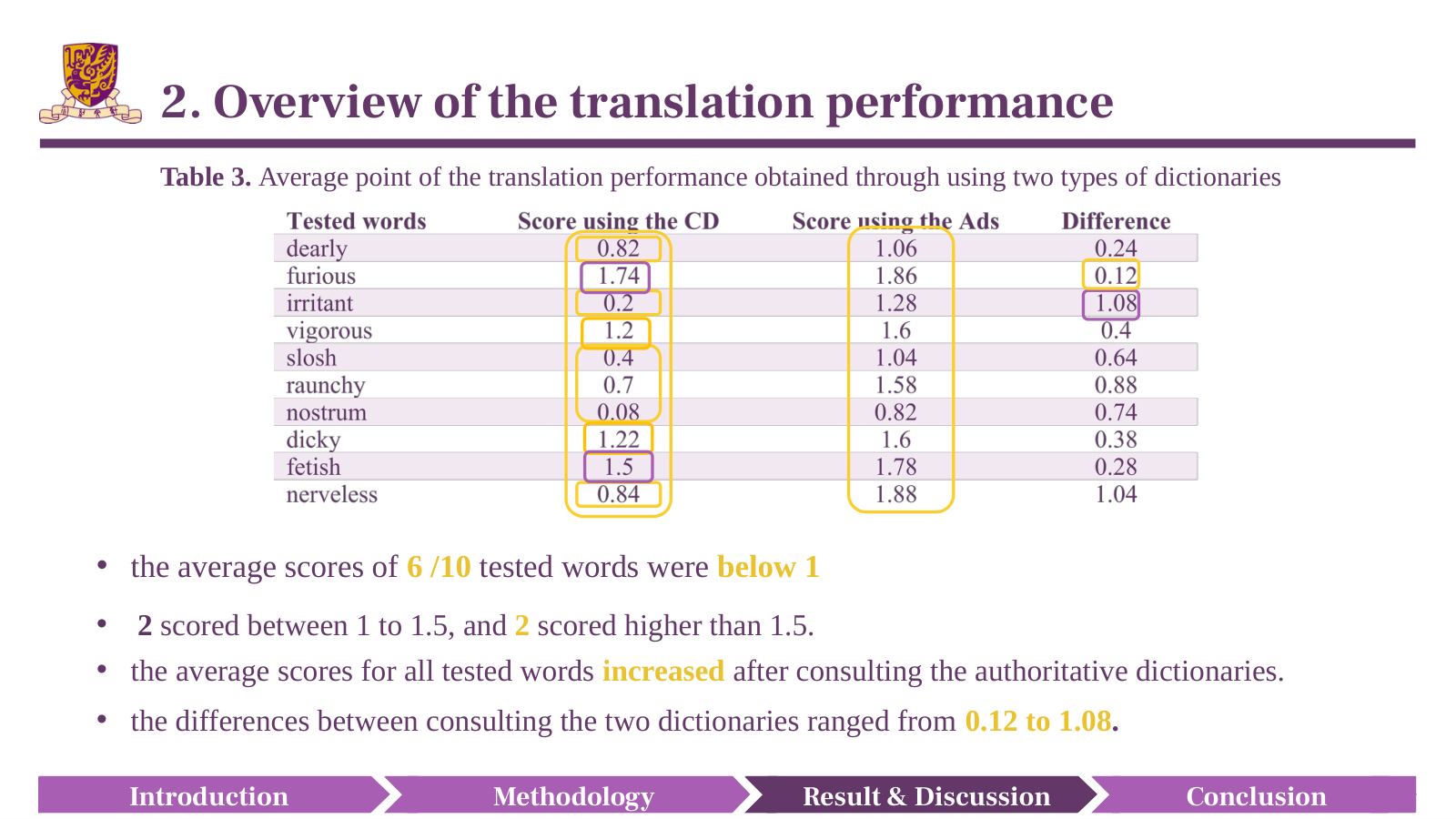
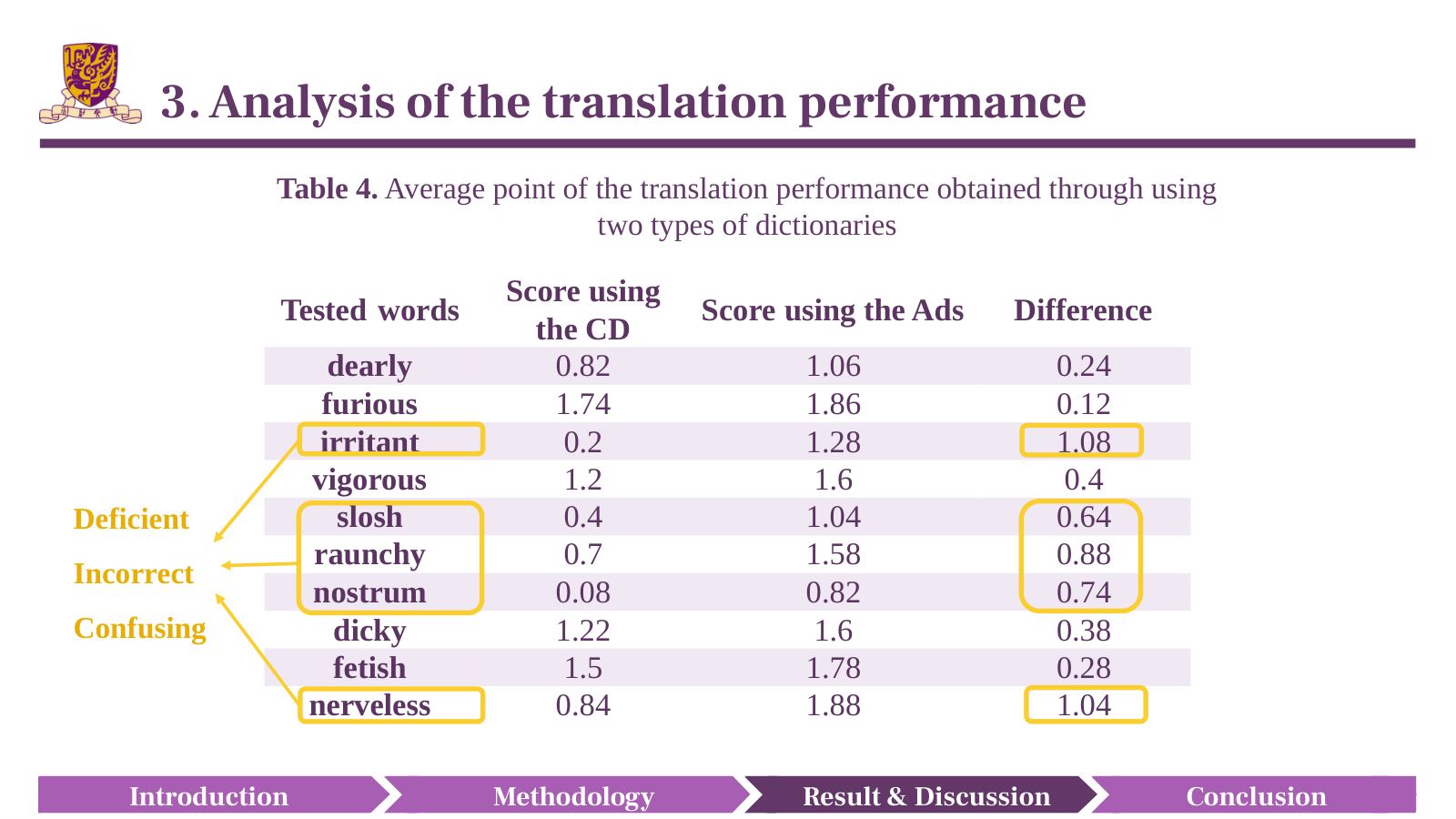
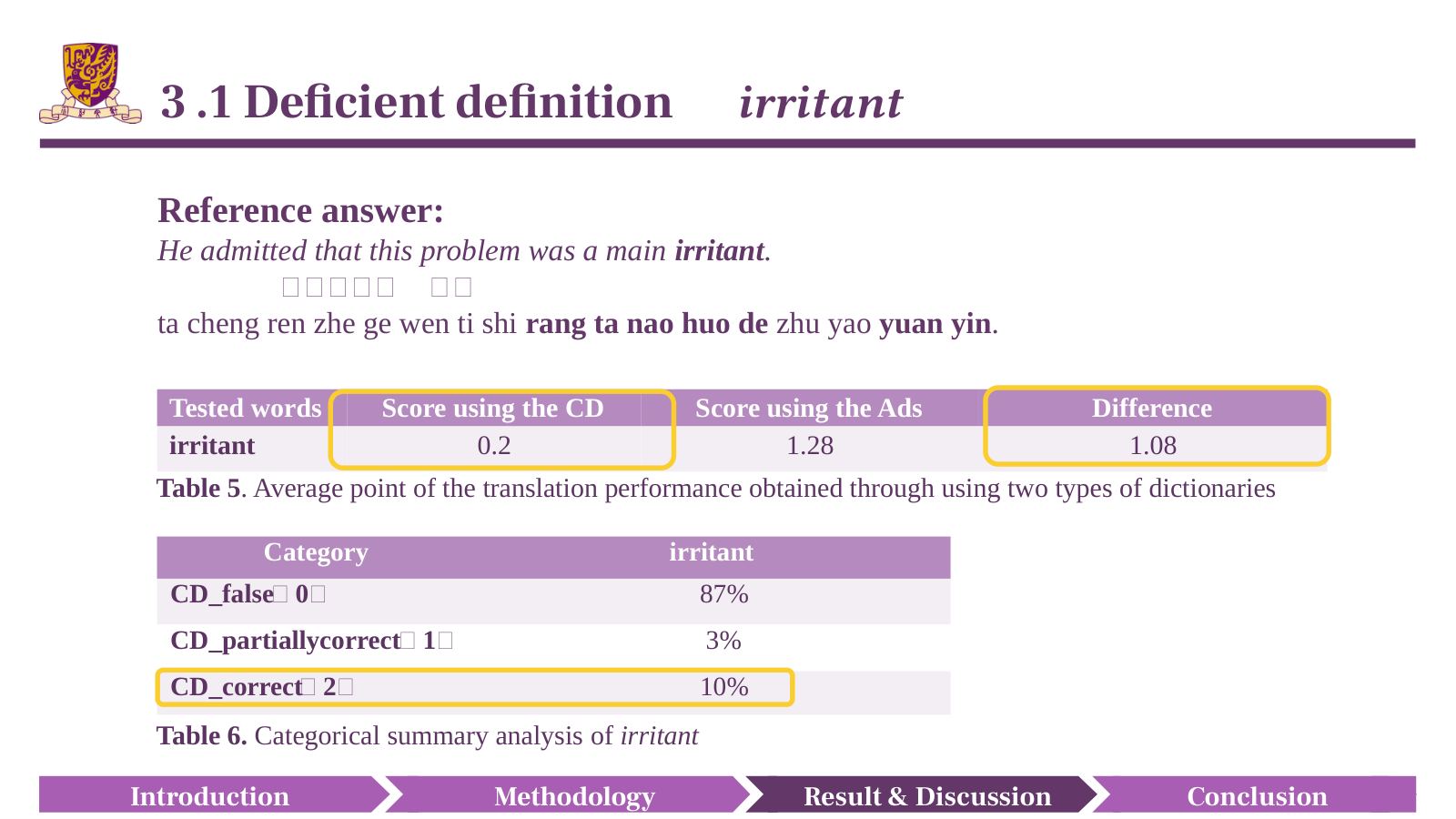
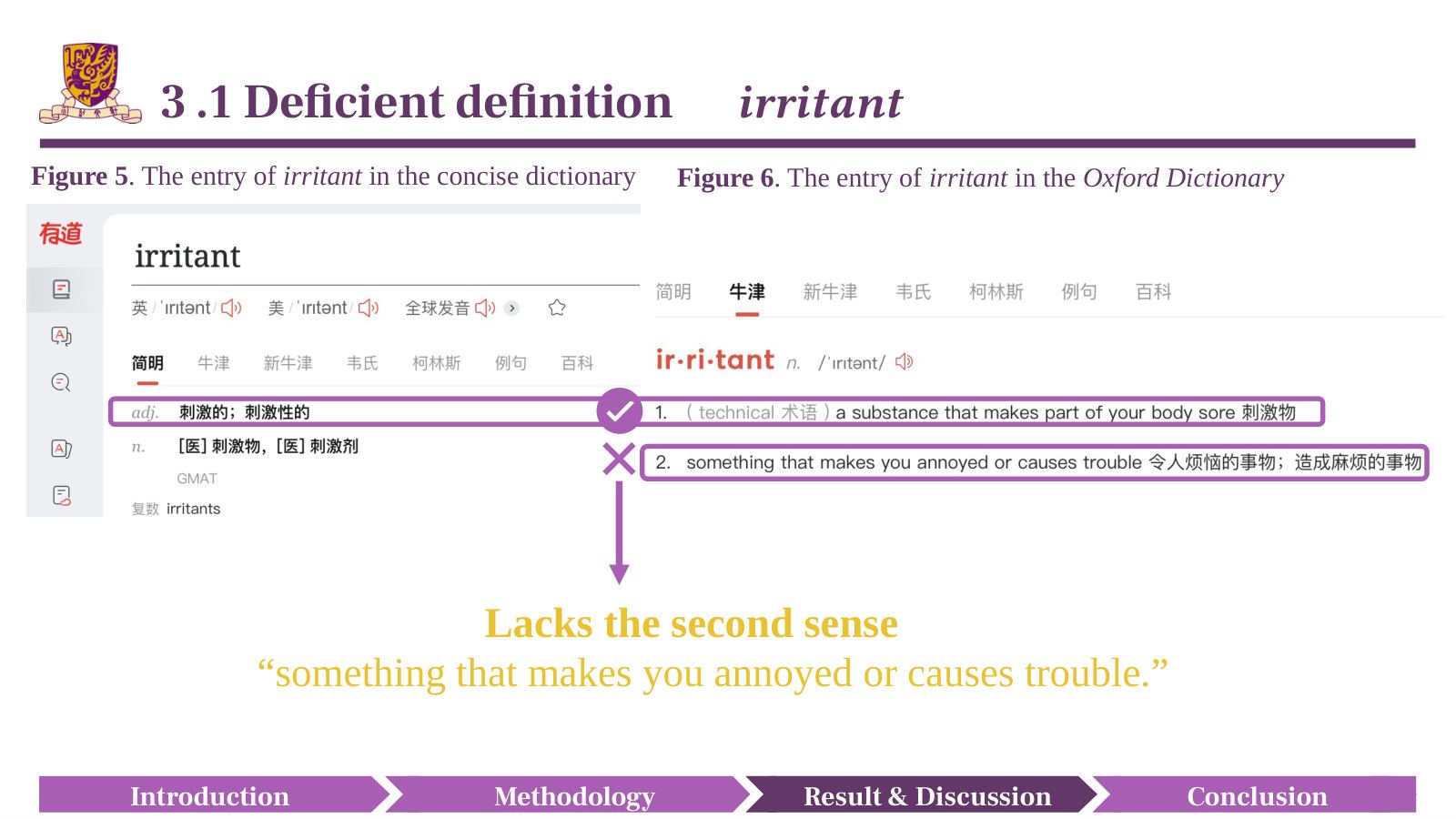
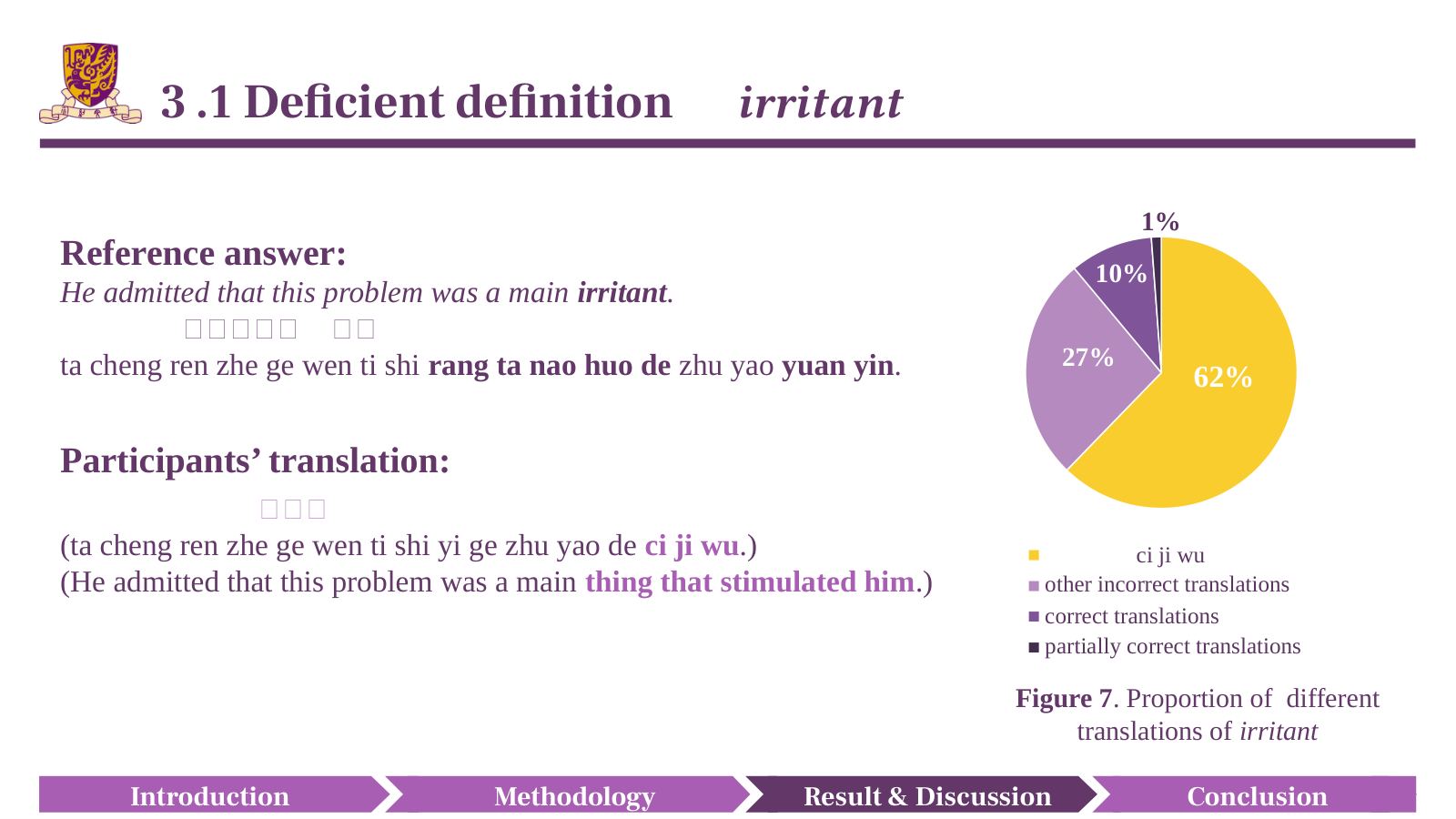
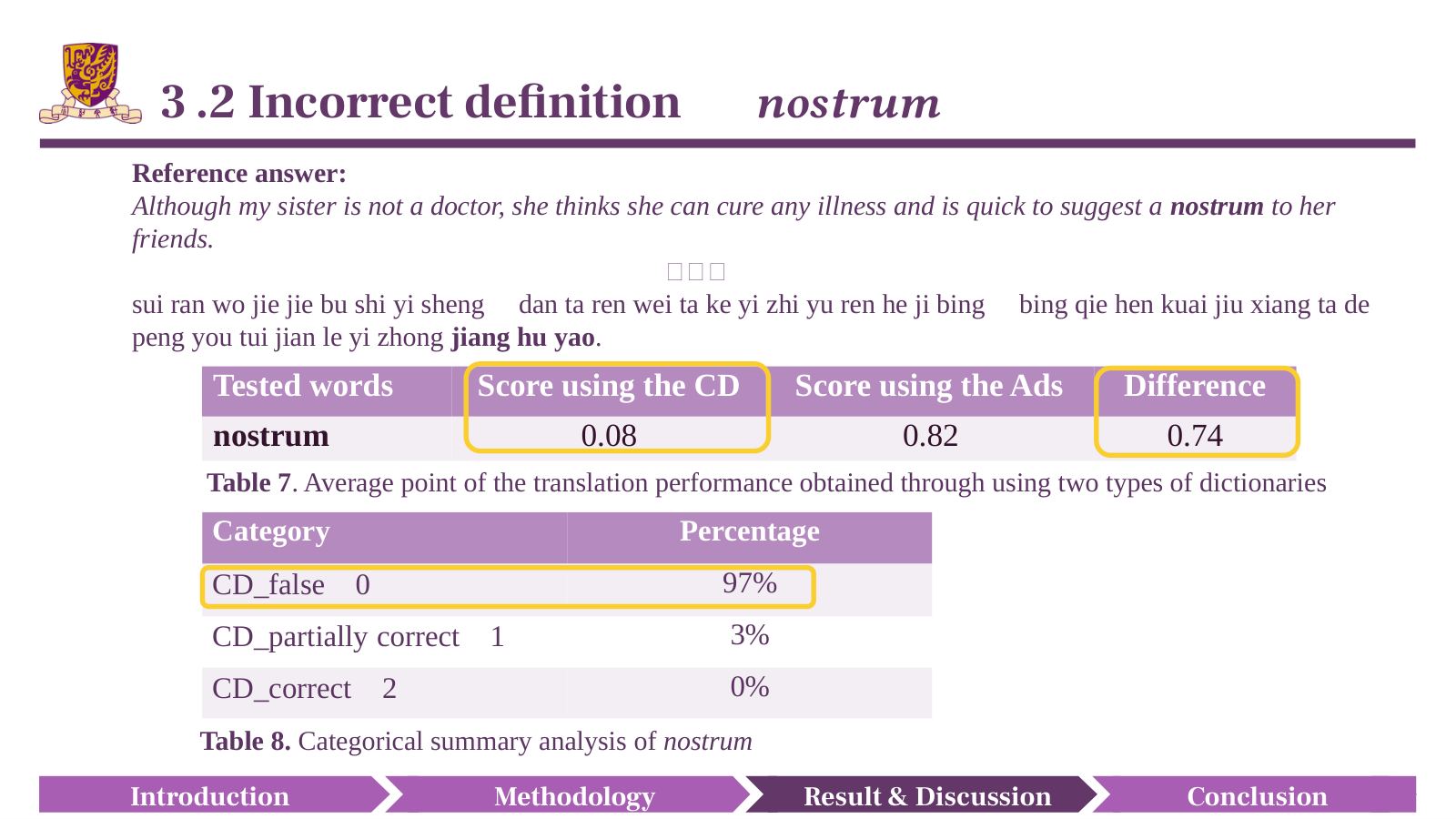
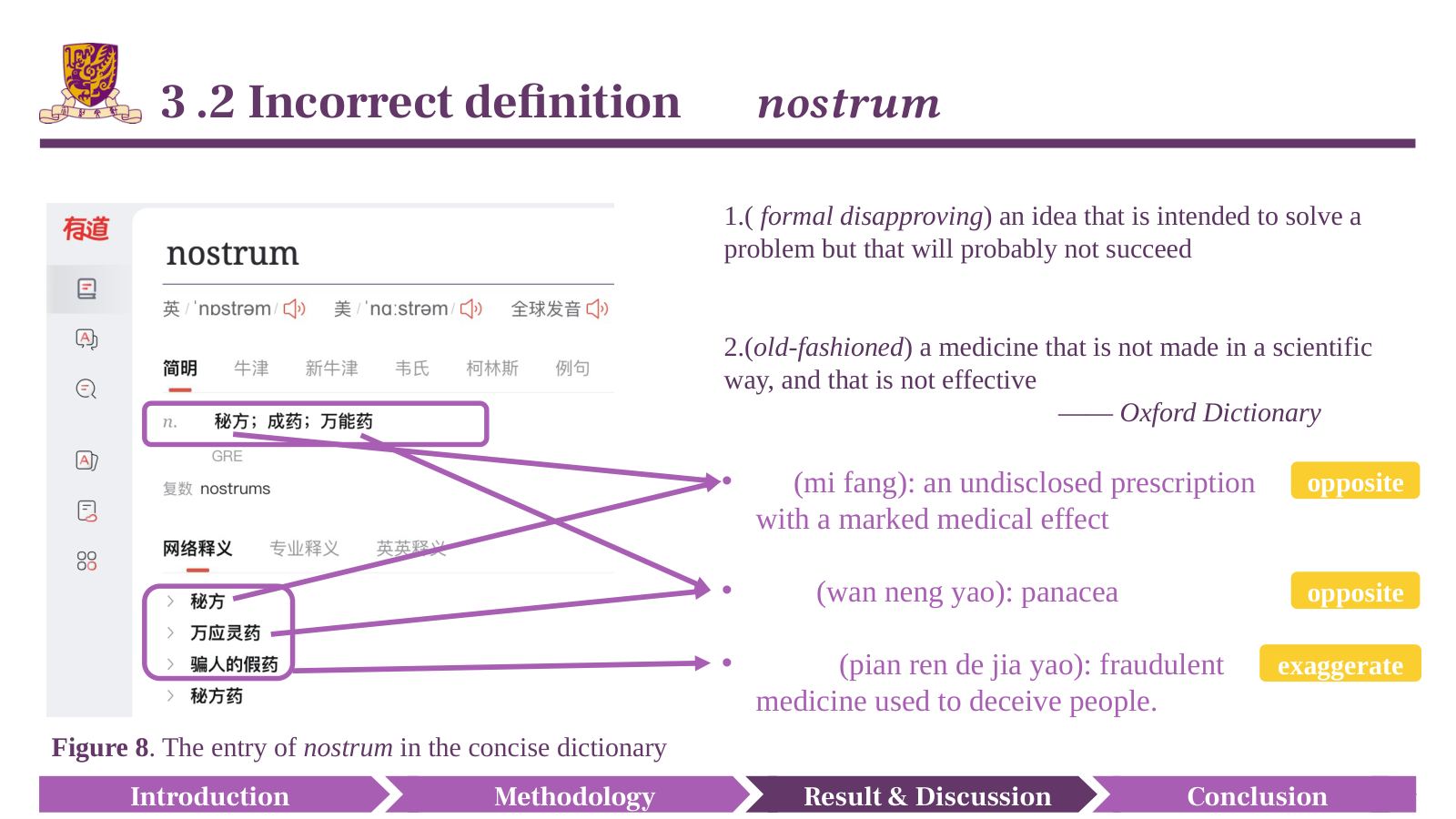
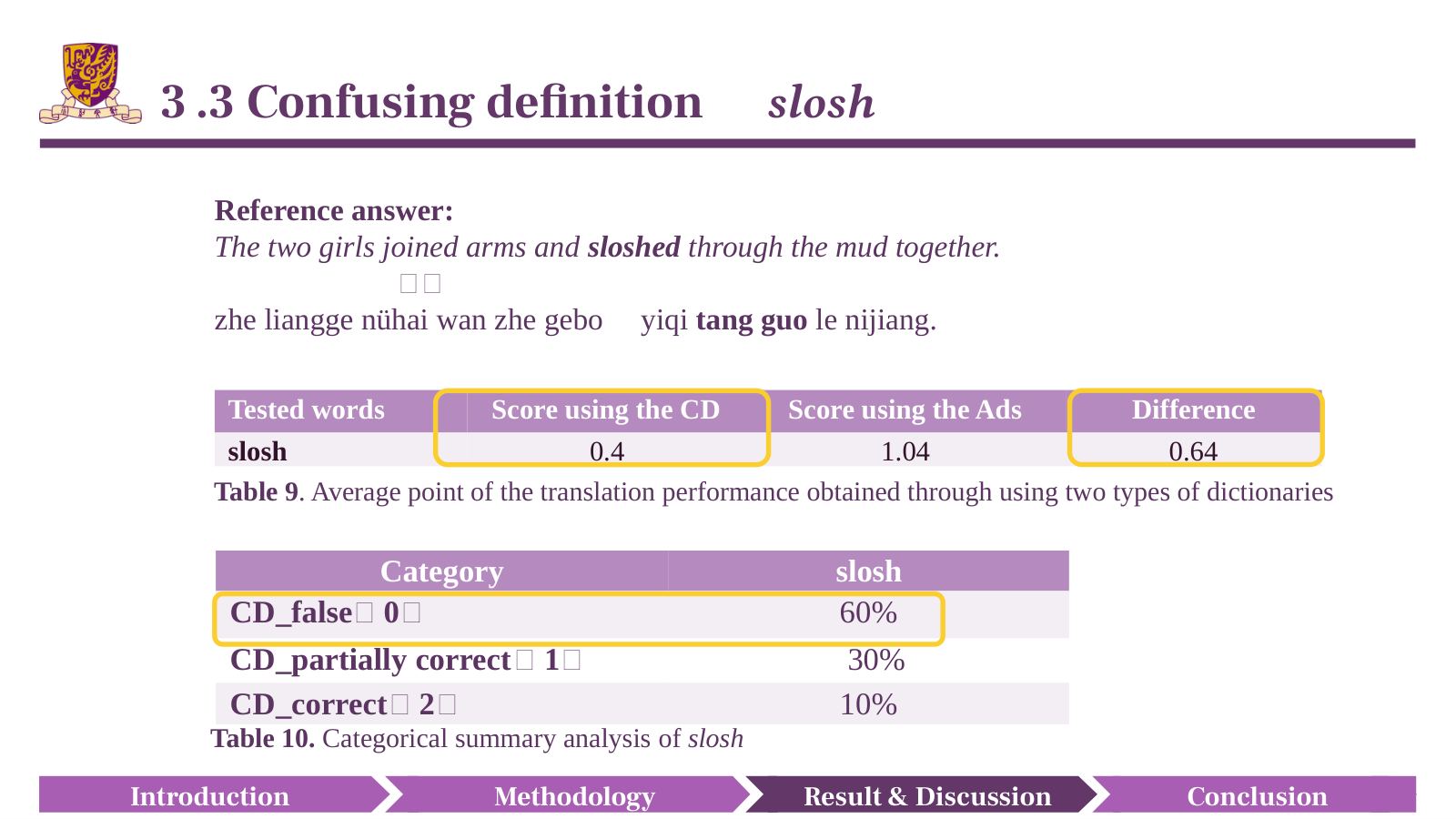
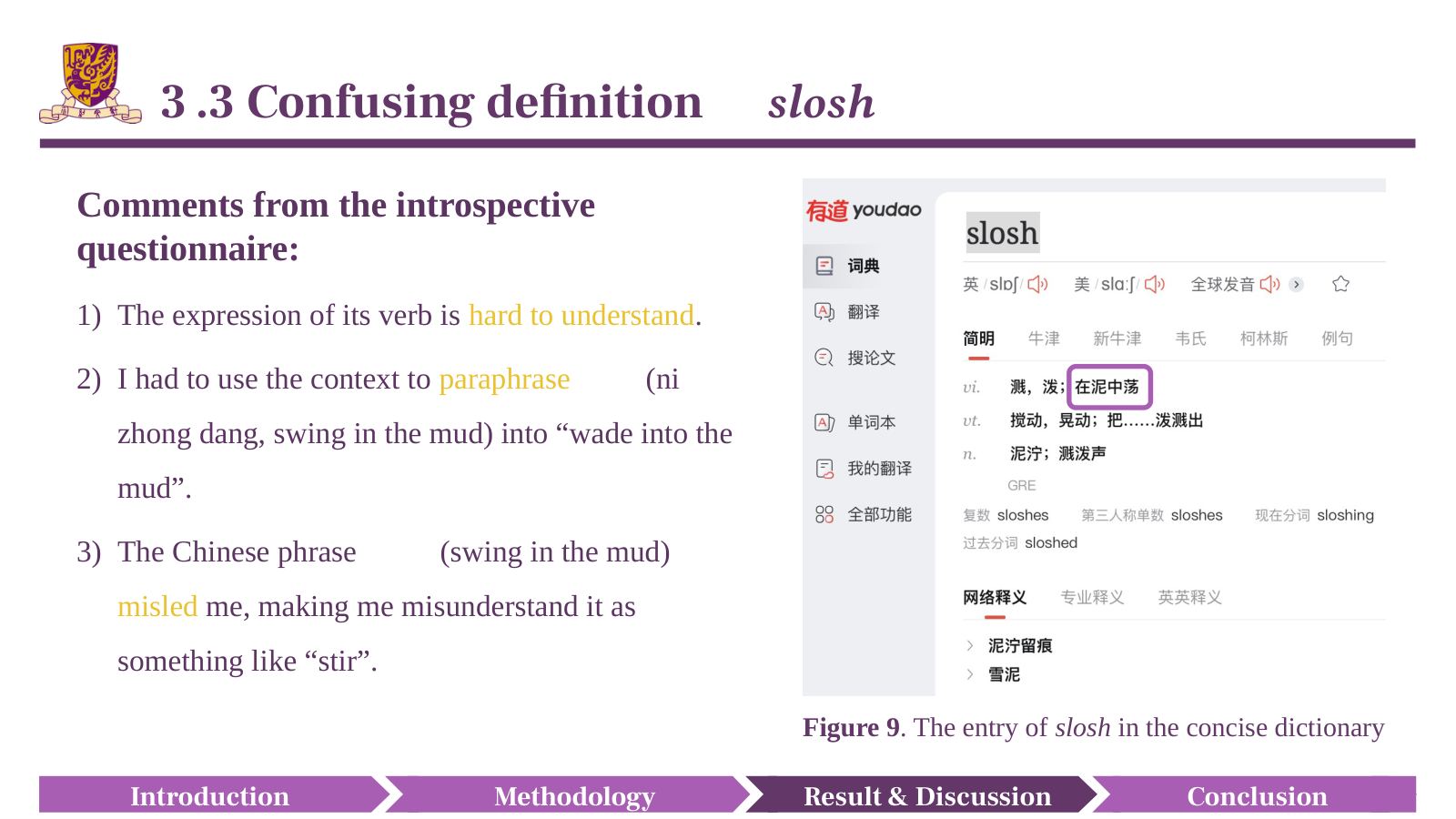
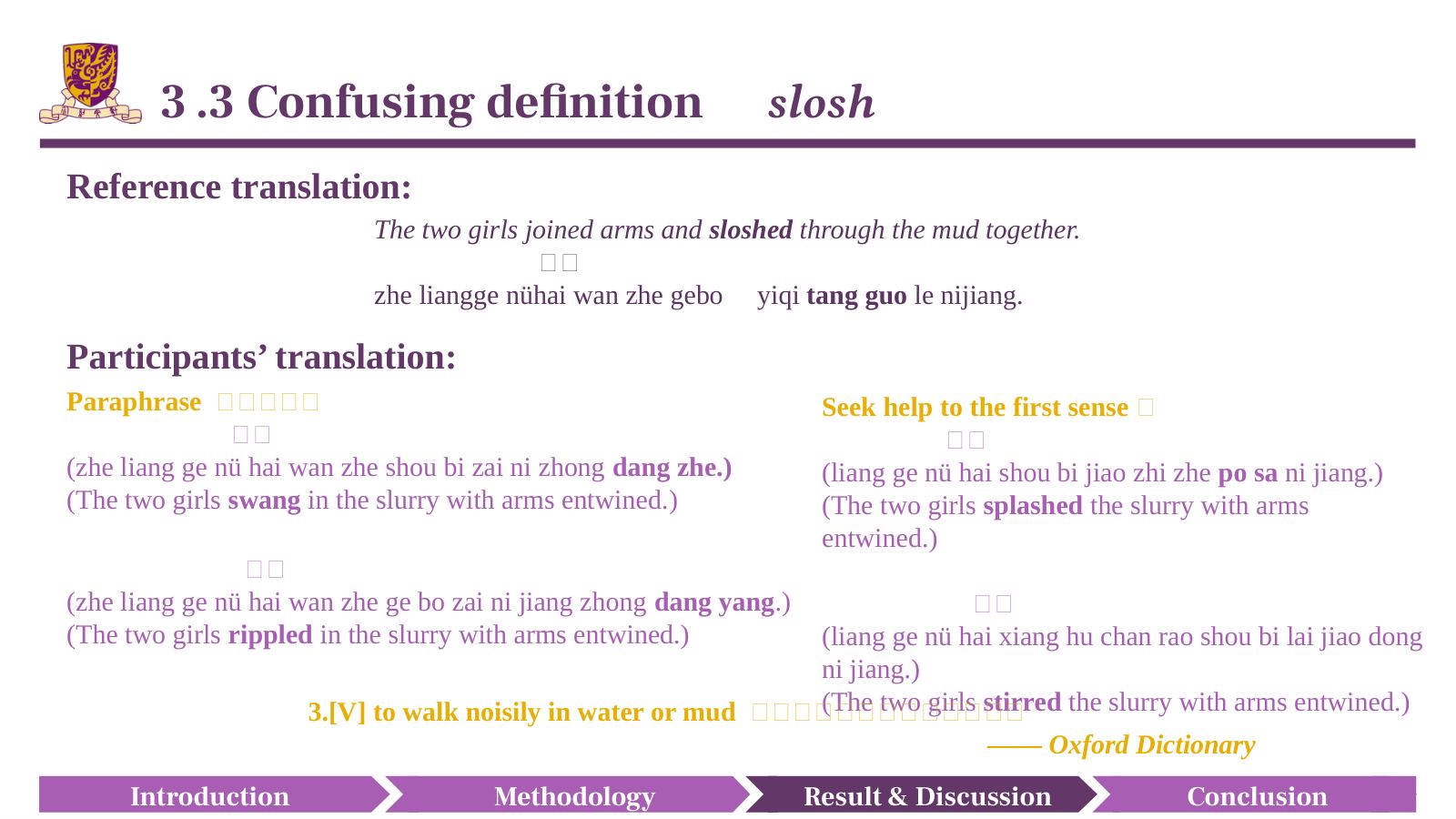
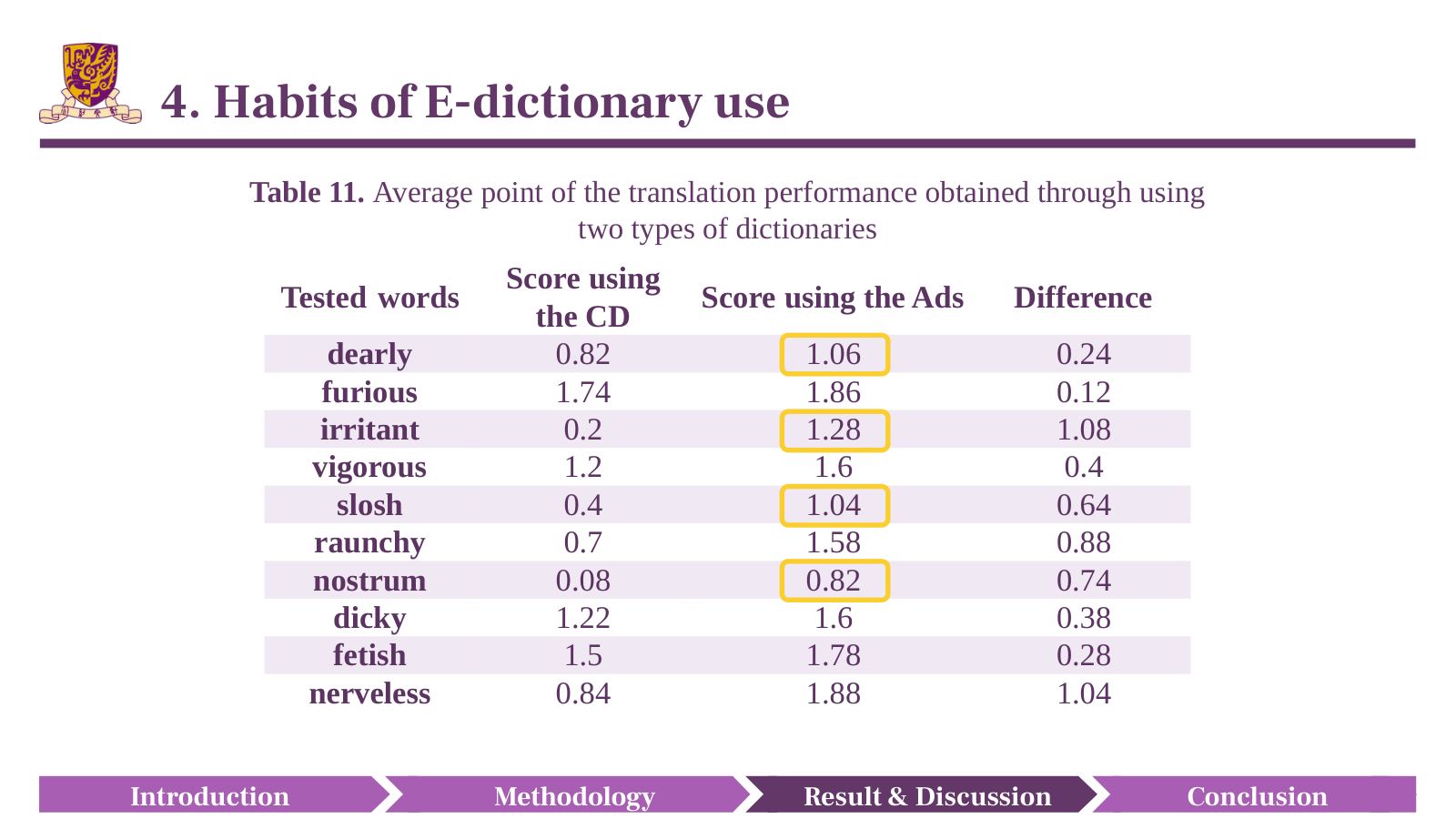
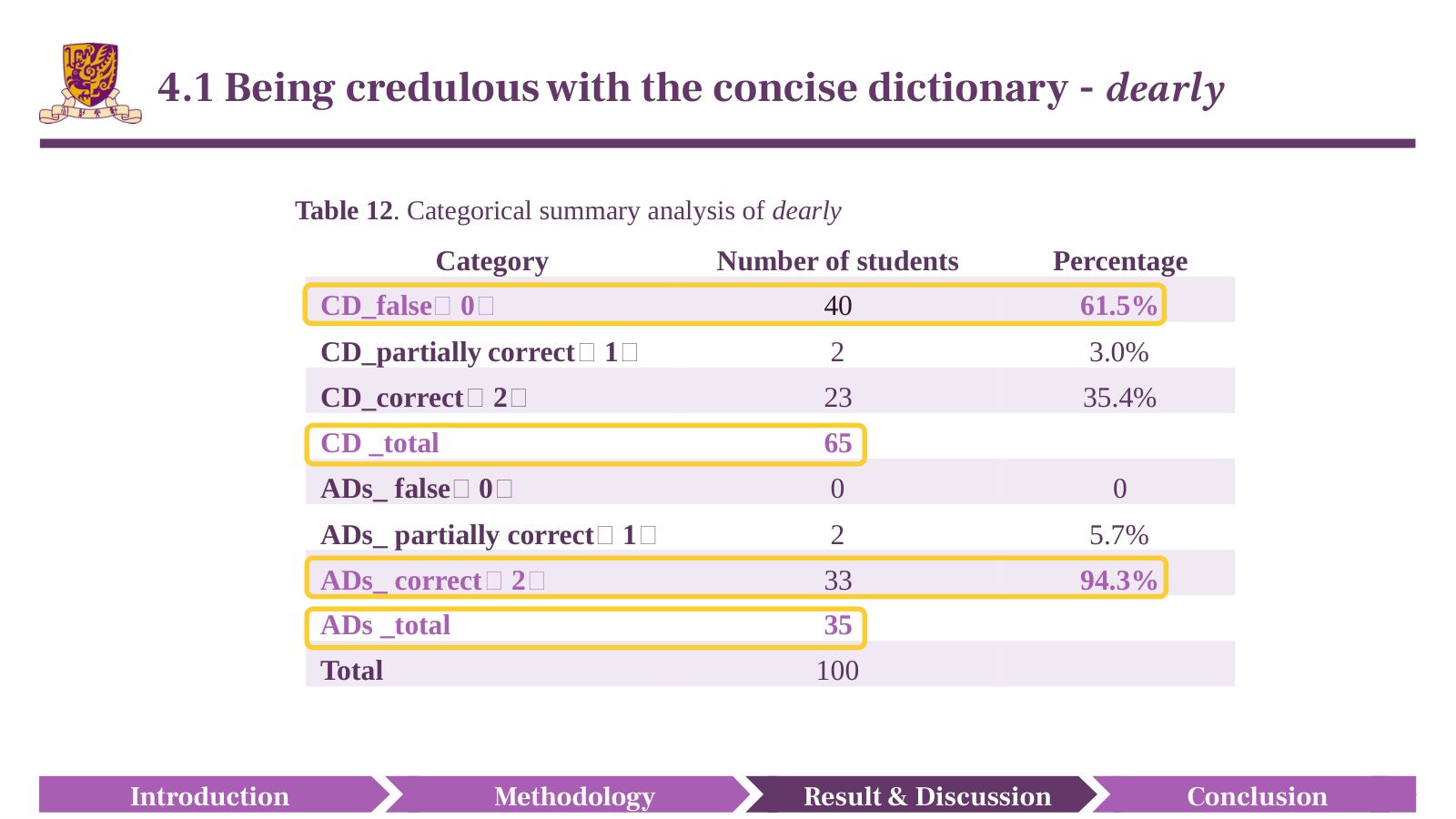
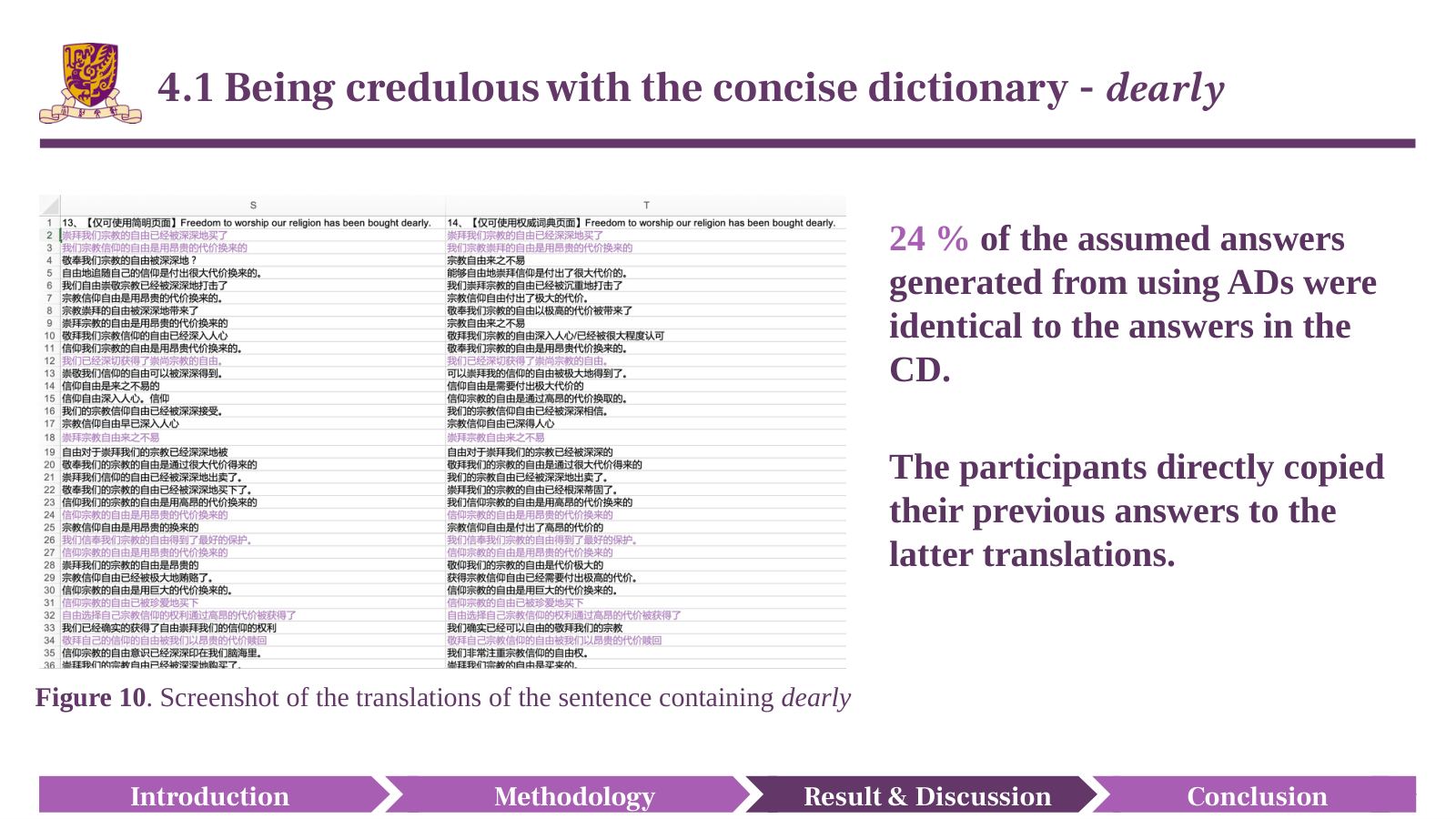
This study adopts a combined method of experimentation, user survey, and dictionary critique to examine Youdao, one of the most widely used E-dictionaries in China. The experiment involved a translation task paired with retrospective reflection: participants translated sentences containing words that are insufficiently or inaccurately defined in Youdao, and their consultation behavior was recorded to analyze how faulty definitions influenced comprehension.
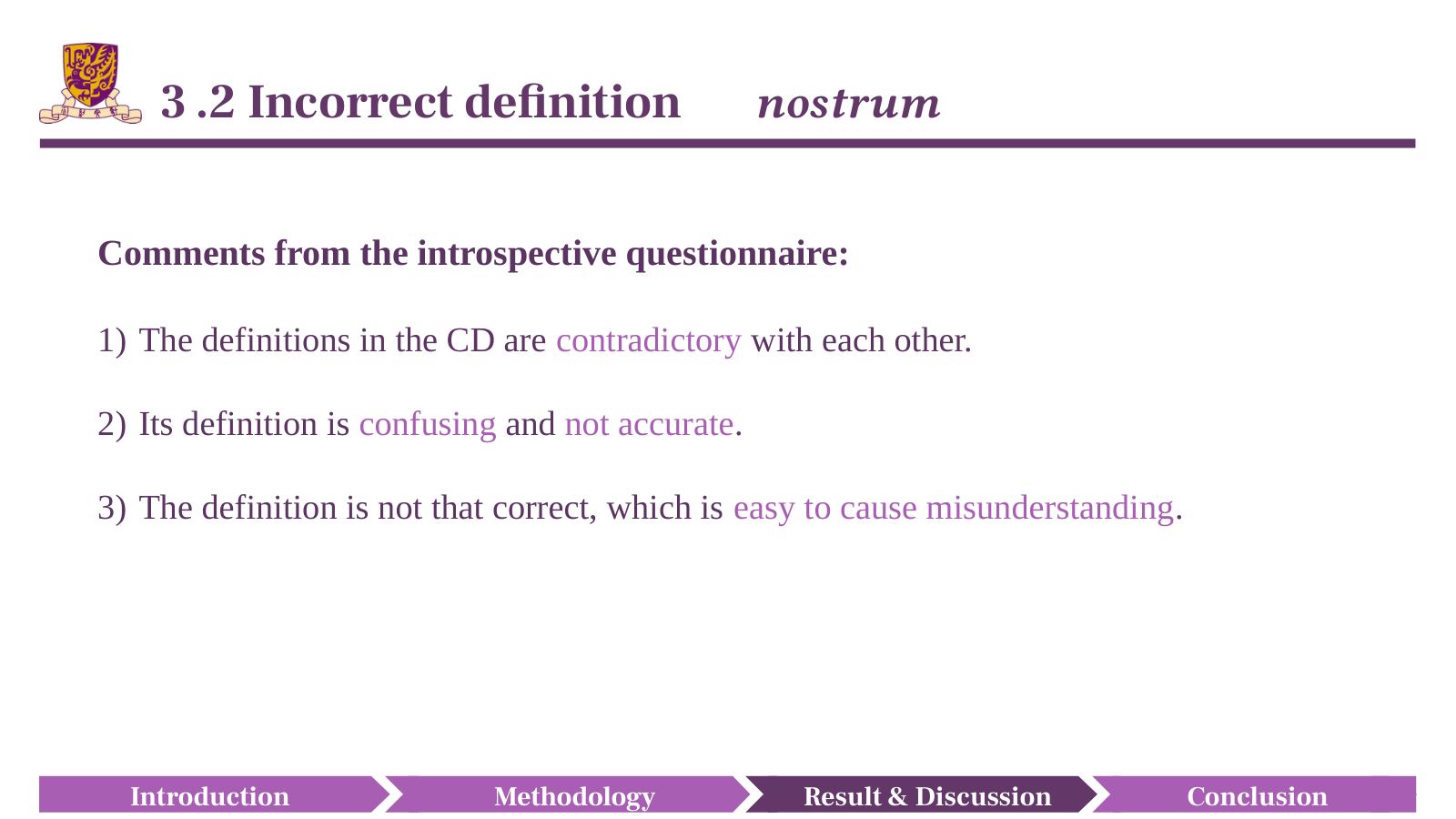
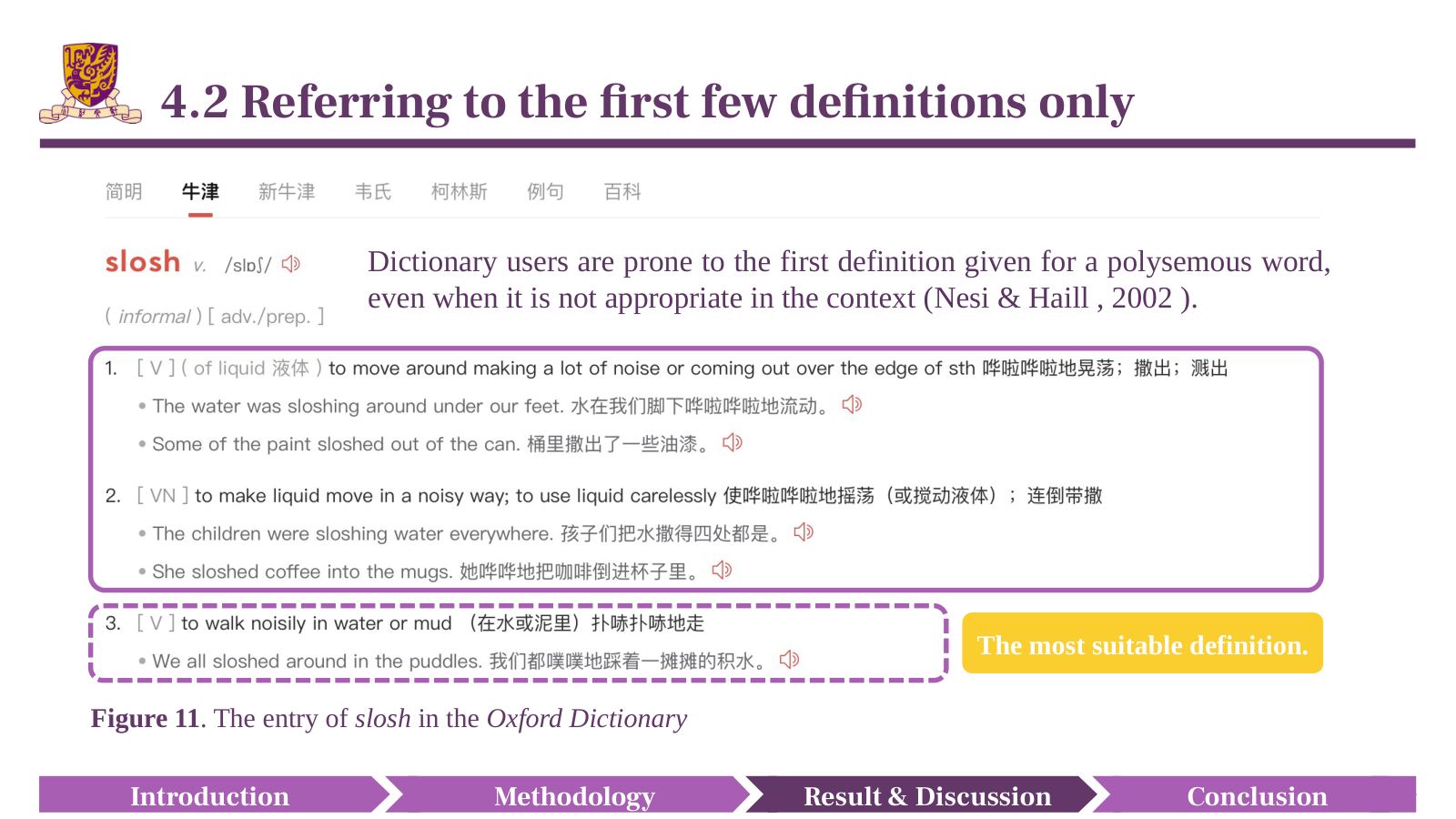
Results show that incomplete or misleading definitions can cause serious misunderstandings, and students exhibited problematic consultation habits. The study further explores how such flawed definitions originate, highlighting issues in data processing and the integration of AI and machine learning in dictionary construction. The findings suggest a need for better dictionary literacy training for users, as well as improvements in the underlying AI models used to build E-dictionaries.